China Speeds Up To Get Rid Of Foreign OS
China Speeds Up To Get Rid Of Foreign OS
- Why Enterprise RAID Rebuilding Succeeds Where Consumer Arrays Fail?
- Linus Torvalds Rejects MMC Subsystem Updates for Linux 7.0: “Complete Garbage”
- The Man Who Maintained Sudo for 30 Years Now Struggles to Fund the Work That Powers Millions of Servers
- How Close Are Quantum Computers to Breaking RSA-2048?
- Why Windows 10 Users Are Flocking to Zorin OS 18 Instead of Linux Mint?
- How to Prevent Ransomware Infection Risks?
- What is the best alternative to Microsoft Office?
China Speeds Up To Get Rid Of Foreign OS
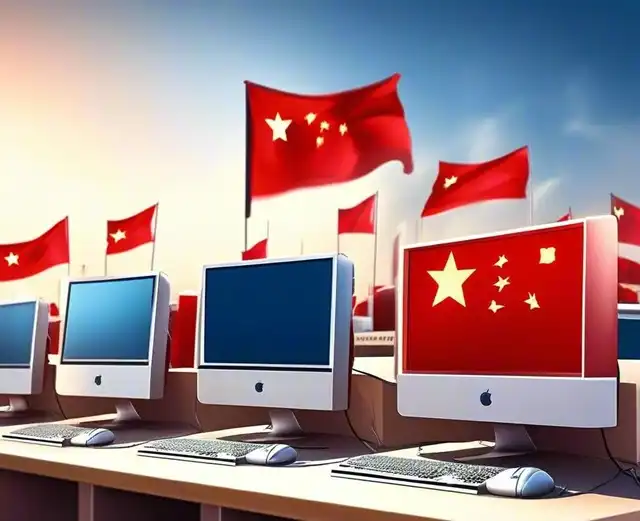
In recent years, China has accelerated its transition away from Microsoft Windows toward domestically developed Linux-based operating systems.
This strategic shift reflects broader technological and geopolitical objectives that aim to enhance China’s digital sovereignty and cybersecurity infrastructure.
The Most Windows-Friendly Linux Distributions for General Consumers: A Complete Guide
National Security Considerations
At the heart of China’s move toward domestic operating systems lies a fundamental concern about national security. The country’s heavy reliance on foreign-developed operating systems, particularly Microsoft Windows, has long been viewed as a potential vulnerability. Chinese authorities have expressed concerns about potential backdoors and the risk of foreign surveillance through proprietary software.
Technical Independence and Innovation
The development of domestic Linux-based alternatives serves multiple strategic objectives. By creating its own operating systems, China aims to:
- Reduce dependency on foreign technology companies
- Develop domestic technological capabilities and expertise
- Create an ecosystem that better aligns with Chinese technical standards and requirements
- Foster innovation within China’s software industry
Economic Benefits
The transition also offers significant economic advantages. Domestic operating systems can:
- Reduce licensing costs associated with proprietary software
- Create jobs within China’s technology sector
- Support the growth of local software companies and developers
- Generate opportunities for hardware-software integration with Chinese manufacturers
What is the best alternative to Microsoft Office?
Compatibility and Adoption Strategy
Chinese Linux distributions like UOS (Unity Operating System) and Kylin have been designed to provide familiar user experiences while maintaining compatibility with existing software. Government offices and state-owned enterprises are leading the adoption, creating a foundation for broader public acceptance.
Challenges and Solutions
The transition faces several challenges:
- Legacy software compatibility issues
- User adaptation and training requirements
- Building a robust ecosystem of applications
To address these challenges, Chinese developers are:
- Creating compatibility layers for Windows applications
- Developing native alternatives to popular software
- Implementing extensive training programs
- Providing technical support infrastructure
International Implications
This shift has broader implications for the global technology landscape:
- Potential influence on other nations seeking technological independence
- Impact on international software markets and standards
- Changes in global technology supply chains
- New patterns in international technology cooperation
Looking Forward
As China continues to develop and refine its domestic operating systems, the success of this initiative could reshape the global software landscape. The experience gained and solutions developed may provide valuable lessons for other nations considering similar transitions toward greater technological sovereignty.
This strategic shift represents not just a change in technology choices, but a fundamental realignment of China’s digital infrastructure toward greater self-reliance and security. The outcome of this transition will likely influence global technology trends and international digital governance for years to come.
Major Chinese Linux-Based Operating Systems
UOS (Unity Operating System)
- Developer: UnionTech Software
- Base Distribution: Debian Linux
- Key Features:
- Unified OS architecture for desktop, laptop, and server use
- Deep integration with domestic Chinese hardware
- Custom desktop environment (DDE – Deepin Desktop Environment)
- Extensive Chinese language support and localization
- Compatible with domestic Chinese applications
Kylin
- Developer: China National University of Defense Technology (NUDT)
- Base Distribution: Ubuntu Linux
- Variants:
- Ubuntu Kylin (Community Version)
- NeoKylin (Commercial Version)
- Galaxy Kylin (Server Version)
- Key Features:
- Military-grade security features
- Custom user interface optimized for Chinese users
- Integration with Chinese government systems
- Enhanced security protocols
Deepin
- Developer: Deepin Technology Co., Ltd
- Base Distribution: Debian Linux
- Key Features:
- Proprietary Deepin Desktop Environment (DDE)
- App Store with domestic Chinese applications
- Custom tools and utilities
- Advanced system management features
- Aesthetic user interface design
HarmonyOS (OpenHarmony)
- Developer: Huawei
- Base: Custom microkernel (though can use Linux kernel)
- Key Features:
- Distributed OS capabilities
- Cross-device compatibility
- IoT device support
- Mobile-first architecture
- Custom development framework
StartOS
- Developer: StarNet Communications
- Base Distribution: Fedora Linux
- Key Features:
- Enterprise-focused features
- Enhanced security framework
- Government sector compliance
- Custom application suite
COS (China Operating System)
- Developer: Chinese Academy of Sciences
- Base Distribution: Custom Linux kernel
- Key Features:
- Mobile and desktop versions
- Government-backed development
- Enhanced security features
- Domestic application ecosystem
Red Flag Linux
- Developer: Red Flag Software (Historical)
- Base Distribution: Red Hat Linux
- Status: Development discontinued, but historically significant
- Legacy Features:
- First major Chinese Linux distribution
- Government and education sector focus
- Native Chinese language support
Technical Characteristics
Most Chinese operating systems share these common attributes:
- Enhanced security features for government compliance
- Custom user interfaces designed for Chinese users
- Integration with Chinese input methods
- Support for domestic hardware
- Compatibility layers for running Windows applications
- Custom app stores with verified domestic applications
Development Focus Areas
Chinese OS developers typically prioritize:
- Security and privacy features
- Compatibility with domestic hardware
- User experience optimization for Chinese users
- Integration with national IT infrastructure
- Support for legacy systems and applications
- Compliance with Chinese cybersecurity regulations