Do Electric Vehicles Harm Human Health Through Electromagnetic Radiation?
Do Electric Vehicles Harm Human Health Through Electromagnetic Radiation?
- Why Enterprise RAID Rebuilding Succeeds Where Consumer Arrays Fail?
- Linus Torvalds Rejects MMC Subsystem Updates for Linux 7.0: “Complete Garbage”
- The Man Who Maintained Sudo for 30 Years Now Struggles to Fund the Work That Powers Millions of Servers
- How Close Are Quantum Computers to Breaking RSA-2048?
- Why Windows 10 Users Are Flocking to Zorin OS 18 Instead of Linux Mint?
- How to Prevent Ransomware Infection Risks?
- What is the best alternative to Microsoft Office?
Do Electric Vehicles Harm Human Health Through Electromagnetic Radiation?
Recent German study debunks “invisible radiation cabin” myth with comprehensive testing
For years, concerns have circulated online about whether electric vehicles (EVs) expose passengers to dangerous levels of electromagnetic radiation. A new comprehensive study from Germany provides reassuring answers backed by rigorous scientific testing.
A man used BYD electric car to power the whole house during power outage
The Study
The German Automobile Club (ADAC), commissioned by Germany’s Federal Office for Radiation Protection, conducted an in-depth investigation into electromagnetic fields inside electric vehicles. The research examined 11 pure electric vehicles, multiple plug-in hybrid models, and one traditional gasoline car, covering all mainstream vehicle types currently on the market.
Testing Methodology
To simulate real-world conditions, ADAC engineers equipped test dummies with 10 sensors and positioned them in at least two different seats during driving and charging scenarios. This multi-scenario, multi-position approach ensured the findings would accurately reflect actual passenger exposure rather than theoretical maximums.
Will Japanese EVs Flood the US Market soon?
Key Findings
The results should put concerned consumers at ease. Electric vehicles’ electromagnetic radiation risk is not higher than other modern vehicles, and in some scenarios is even lower than traditional internal combustion engine cars. While brief magnetic field peaks occur during rapid acceleration, hard braking, or when electrical components activate, these are normal characteristics of high-voltage circuits and electric motors.
Most importantly, the electric field strength and current density that humans might actually be exposed to are far below internationally recommended safety limits. Higher readings were concentrated primarily in the foot area, with the head and torso showing virtually no significant signals—well within safe ranges that won’t affect cellular function, the nervous system, or cardiac pacemakers.
Trump Administration Ended California’s 100% EV Dream
Unexpected Discovery
One surprising finding: seat heating functions produced the strongest electromagnetic readings. However, this phenomenon isn’t unique to EVs—it appears equally in plug-in hybrids and conventional gasoline vehicles. Even these elevated readings remain far below dangerous levels.
Charging Concerns Addressed
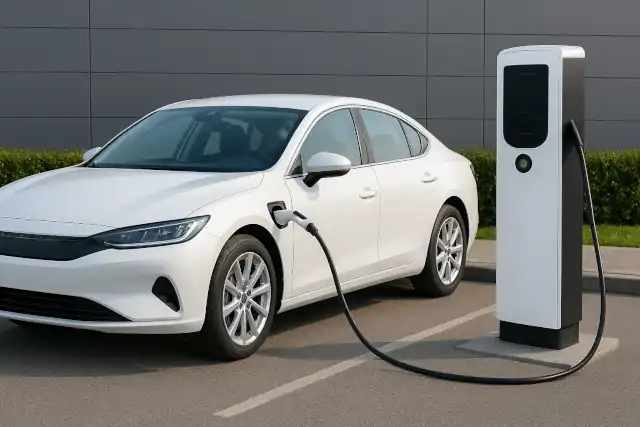
The study also examined radiation during charging. AC charging showed slightly stronger readings at the moment of plug-in, which comply with safety standards, while higher-power DC fast charging actually produced weaker electromagnetic fields than AC charging.
Korean EVs Benefit from Trade War and Sales Surge in US
The Bottom Line
Electromagnetic radiation protection has long been standard practice in modern transportation. Electric vehicles meet the same rigorous safety standards as conventional cars in this regard. Rather than worrying about unsubstantiated “radiation cabin” claims, consumers can trust the scientific evidence and confidently enjoy the benefits of electric mobility.
The automotive industry has decades of experience managing electromagnetic fields in vehicles, from traditional cars with alternators and electrical systems to modern EVs with high-voltage batteries. Current safety regulations and engineering practices ensure passenger protection across all vehicle types. This latest research simply confirms what engineers have maintained all along: when it comes to electromagnetic exposure, electric vehicles are as safe as any other car on the road.