EU warns Apple not to encrypt the USB-C interface
EU warns Apple not to encrypt the USB-C interface: it must be compatible with Android data cables/chargers or it will be banned
- Why Enterprise RAID Rebuilding Succeeds Where Consumer Arrays Fail?
- Linus Torvalds Rejects MMC Subsystem Updates for Linux 7.0: “Complete Garbage”
- The Man Who Maintained Sudo for 30 Years Now Struggles to Fund the Work That Powers Millions of Servers
- How Close Are Quantum Computers to Breaking RSA-2048?
- Why Windows 10 Users Are Flocking to Zorin OS 18 Instead of Linux Mint?
- How to Prevent Ransomware Infection Risks?
- What is the best alternative to Microsoft Office?
EU warns Apple not to encrypt the USB-C interface: it must be compatible with Android data cables/chargers or it will be banned.
News on May 5th, multiple sources said that this year’s iPhone 15 series will switch to the USB-C interface.
However, analysts pointed out that Apple may encrypt the USB-C interface for the purpose of protecting accessories. In other words, non-MFi-certified data cables, chargers, etc., connected to the USB-C interface of the iPhone 15, will have limited charging speed and transmission functions.
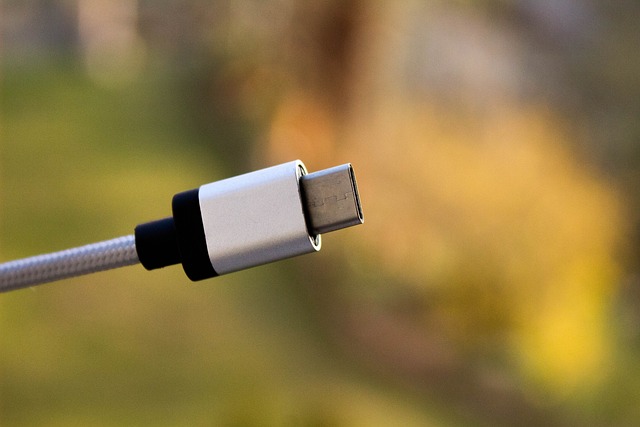
Perhaps because of the rumors, EU Industry Commissioner Thierry Breton sent a warning letter to Apple, reminding them that they are not allowed to restrict third-party USB-C data cables, otherwise the iPhone will face a ban on sales .
In addition, the German DPA disclosed that Apple had been informed of similar content at an EU meeting in March.
Fast Technology learned that the European Union passed a related bill covering universal chargers in October last year, requiring mobile phones and tablets to adopt a unified USB-C interface to reduce electronic waste such as different chargers and data cables.
The bill’s final deadline for device manufacturers is December 2024, but it is widely believed that Apple will start promoting the USB-C interface on the iPhone 15.
Currently, Apple uses its proprietary Lightning port for its iPhones, while many other smartphone manufacturers have switched to USB Type-C.
In 2020, the European Parliament called for the development of a common charger for all mobile phones and other portable devices, citing environmental concerns.
While there is no specific mandate yet for Apple to switch to USB Type-C, it is possible that the EU may introduce regulations requiring all smartphone manufacturers to adopt a common charging standard, which could include USB Type-C.
This would likely impact Apple, which would need to either switch to USB Type-C or provide an adapter to connect its Lightning port to USB Type-C.
However, it is important to note that any such regulation would need to go through a lengthy approval process and face potential legal challenges.
Additionally, Apple has previously argued that switching to a different charging port would stifle innovation and harm consumers who have invested in accessories designed for the Lightning port.