Fedora Linux 39 with GNOME 45 and Integrated LibreOffice 7.6
Fedora Linux 39 to be Released with GNOME 45 and Integrated LibreOffice 7.6
- Why Enterprise RAID Rebuilding Succeeds Where Consumer Arrays Fail?
- Linus Torvalds Rejects MMC Subsystem Updates for Linux 7.0: “Complete Garbage”
- The Man Who Maintained Sudo for 30 Years Now Struggles to Fund the Work That Powers Millions of Servers
- How Close Are Quantum Computers to Breaking RSA-2048?
- Why Windows 10 Users Are Flocking to Zorin OS 18 Instead of Linux Mint?
- How to Prevent Ransomware Infection Risks?
- What is the best alternative to Microsoft Office?
Fedora Linux 39 to be Released on November 7th with GNOME 45 and Integrated LibreOffice 7.6
November 3rd, Fedora Linux 39, which was initially scheduled for the end of October, faced some delays. However, the development team has now officially confirmed that Fedora Linux 39 will be released on November 7th.
According to IT Home’s investigation, during today’s “Go / No-Go” meeting, the development team declared that Fedora Linux 39 is currently in the “GO” phase.
After the official release, users will have the option to download different desktop environments such as KDE Plasma, Xfce, and Cinnamon, according to their preferences.
Fedora Linux 39, in its official release, comes with significant updates, including enhancements to the DNF package manager and improvements to the Anaconda user interface. It also features the latest GNOME 45 desktop environment and integrates LibreOffice 7.6. For Fedora Cloud, optimizations have been made for AWS images, with default usage of cost-effective gp3 storage volumes.
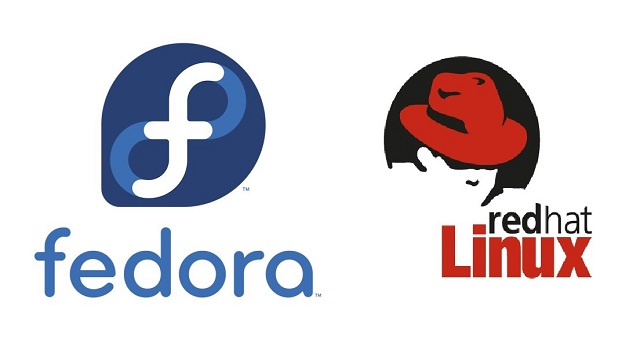
The relationship between Fedora Linux and Red Hat Enterprise Linux (RHEL) can be understood as follows:
-
Upstream-Downstream Relationship:
-
Fedora Linux: Fedora is often referred to as the upstream or community-based distribution for RHEL. It is a cutting-edge, community-driven distribution sponsored by Red Hat. Fedora serves as a testing ground for new features, technologies, and software packages. It is where these components are developed and tested before they potentially make their way into RHEL.
-
Red Hat Enterprise Linux (RHEL): RHEL is a commercial, enterprise-grade Linux distribution also developed by Red Hat. RHEL is built upon the stable foundation provided by Fedora. Red Hat takes the software and technologies that have been tested and proven in Fedora, adds additional quality assurance, testing, and support, and packages it as a reliable and long-term supported product for business and enterprise customers.
-
-
Software Flow:
-
New features, enhancements, and software components are often introduced and tested in Fedora first. These changes are part of the continuous innovation and development that takes place in the open-source world.
-
Once these components are mature and considered stable, Red Hat may incorporate them into the next version of RHEL. This ensures that RHEL remains a reliable and secure platform for enterprise use.
-
-
Lifecycle:
-
Fedora has a relatively short release cycle, with new versions coming out approximately every six months. It is designed for users who want access to the latest features and technologies.
-
RHEL, on the other hand, has a much longer lifecycle. Each major version of RHEL is supported for approximately 10 years, providing stability and long-term support for enterprise customers.
-
-
Support and Stability:
-
Fedora is a community-supported distribution, and while it provides updates and bug fixes, it does not offer the same level of long-term support as RHEL.
-
RHEL is designed for businesses and organizations that require a stable, certified, and well-supported platform. Red Hat provides comprehensive support, security updates, and certifications for RHEL.
-
In summary, Fedora Linux and Red Hat Enterprise Linux have a strong relationship as Fedora acts as a breeding ground for new technologies and features that eventually find their way into RHEL.
Fedora is known for its innovation and rapid development, while RHEL focuses on stability, long-term support, and enterprise-grade solutions.
This relationship allows Red Hat to balance innovation and reliability in its product offerings.
What is the best alternative to Microsoft Office?