Google Gemini AI Powers New Android PC Challenge to Microsoft Windows
Google Gemini AI Powers New Android PC Challenge to Microsoft Windows
- Why Enterprise RAID Rebuilding Succeeds Where Consumer Arrays Fail?
- Linus Torvalds Rejects MMC Subsystem Updates for Linux 7.0: “Complete Garbage”
- The Man Who Maintained Sudo for 30 Years Now Struggles to Fund the Work That Powers Millions of Servers
- How Close Are Quantum Computers to Breaking RSA-2048?
- Why Windows 10 Users Are Flocking to Zorin OS 18 Instead of Linux Mint?
- How to Prevent Ransomware Infection Risks?
- What is the best alternative to Microsoft Office?
Google Gemini AI Powers New Android PC Challenge to Microsoft Windows
Google Hints at Revolutionary Android PC Project at Snapdragon Summit
Tech Giants Tease “Incredible” Android-Powered Desktop Experience, Learning from Past Failures
September 24, 2025 — At Qualcomm’s Snapdragon Summit in Hawaii, Google and Qualcomm executives jointly unveiled hints about an ambitious new project that could finally bring Android to the desktop PC market successfully.
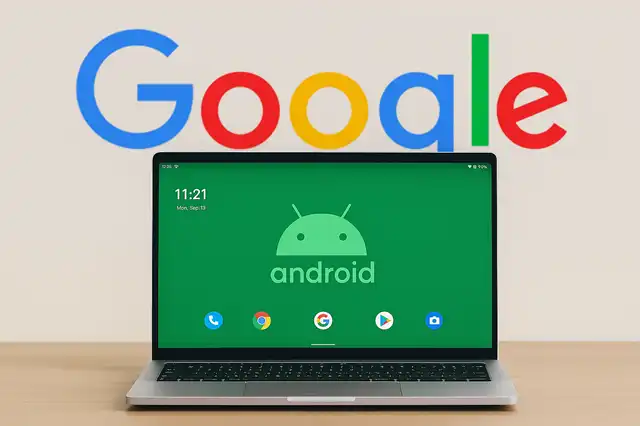
Google’s Rick Osterloh, Senior Vice President of Platforms & Devices, and Qualcomm CEO Cristiano Amon teased bringing Android to the desktop, with Qualcomm powering the experience, suggesting a “shared technical foundation” that would combine what Google has built for phones with desktop capabilities.
Executives Express Excitement Over Secret Project
Amon enthusiastically revealed that he has personally seen the Android-powered PC in development, describing it as “incredible”.
The Qualcomm CEO emphasized the project’s potential to realize the long-awaited vision of mobile and PC convergence, stating his eagerness to own such a device.
Osterloh officially confirmed that Google is working on an Android-based PC during his conversation with Amon at the summit.
“In the past, we’ve always had very different systems between what we are building on PCs” versus mobile devices, Osterloh explained, suggesting this new approach would bridge that gap.
Strategic Shift: Merging ChromeOS and Android
This announcement represents a significant strategic pivot for Google. Earlier in 2024, Google began a multi-year project to merge Chrome OS and Android, effectively unifying its operating system strategy. The plan involves folding ChromeOS into Android for PC and building a unified system loaded with Google’s Gemini AI technology, designed to run on Qualcomm’s next wave of Snapdragon chips.
The timing aligns with Qualcomm’s recent success in the ARM-based PC market. The release of Snapdragon X Elite and Snapdragon X Plus PCs in 2024 received praise, especially for their battery life, though their overall PC market share remains under 1%.
Learning from Past Android PC Failures
Google’s new attempt comes after numerous failed efforts to bring Android to PC platforms over the past decade. Previous third-party projects struggled with fundamental compatibility and user experience issues:
Remix OS (2015-2017)
Remix OS, developed by Jide Technology, was discontinued in July 2017 after facing significant challenges. The company cited restructuring and transitioning away from the consumer space. The project suffered from multiple technical problems:
- Google Mobile Services Issues: Google Mobile Services (GMS) were removed from Remix OS after update 3.0.207 due to compatibility issues with some apps, with Google requesting that GMS not be pre-loaded
- Hardware Compatibility: Users reported frequent system crashes, boot failures, and hardware detection problems
- App Ecosystem: Limited desktop-optimized Android applications made the experience feel awkward on larger screens
Phoenix OS and Other Alternatives
Following Remix OS’s discontinuation, several alternatives emerged, though none achieved mainstream success. Both Remix OS and Phoenix OS were free Chinese Android desktop distributions for x86_64 PCs based on Android-x86, but they remained niche solutions plagued by:
- Inconsistent performance across different hardware configurations
- Limited software optimization for desktop workflows
- Lack of official Google support and services integration
- Poor multi-window management and desktop UI design
Why This Time Could Be Different
Google’s direct involvement marks a crucial difference from previous attempts. Key advantages include:
-
Official Google Support: Unlike third-party efforts, this project has full Google backing, ensuring proper integration with Google services and the broader Android ecosystem.
-
Advanced Hardware Partnership: Collaboration with Qualcomm’s latest Snapdragon processors, specifically designed for AI workloads and desktop performance.
-
AI Integration: The system will feature Google’s Gemini AI technology, potentially offering advanced AI capabilities that run locally on Qualcomm chips.
-
Unified Strategy: The merger of Chrome OS and Android represents a coherent long-term strategy rather than a standalone experiment.
Market Implications and Timeline
The Android PC project could potentially challenge Microsoft’s Windows dominance, particularly in the emerging AI-powered computing space. However, significant questions remain about timing and market readiness.
Google has not provided any specific timeline for the project’s release, and the company’s history with hardware launches suggests a cautious approach may be warranted. The success will likely depend on addressing the fundamental issues that caused previous Android PC projects to fail: app ecosystem optimization, hardware compatibility, and user experience design for desktop workflows.
As the technology landscape continues to evolve toward AI-integrated computing experiences, Google’s Android PC project represents both an opportunity to capture new market segments and a significant risk given the platform’s previous struggles in the desktop space.
This report is based on statements made at Qualcomm’s Snapdragon Summit 2025 and analysis of previous Android PC initiatives. Neither Google nor Qualcomm have provided detailed technical specifications or release timelines for the announced project.