Honda Electric Motorcycle Battery Fires Raise Safety Concerns About Lithium-Ion EVs
Honda Electric Motorcycle Battery Fires Raise Safety Concerns About Lithium-Ion EVs
- Why Enterprise RAID Rebuilding Succeeds Where Consumer Arrays Fail?
- Linus Torvalds Rejects MMC Subsystem Updates for Linux 7.0: “Complete Garbage”
- The Man Who Maintained Sudo for 30 Years Now Struggles to Fund the Work That Powers Millions of Servers
- How Close Are Quantum Computers to Breaking RSA-2048?
- Why Windows 10 Users Are Flocking to Zorin OS 18 Instead of Linux Mint?
- How to Prevent Ransomware Infection Risks?
- What is the best alternative to Microsoft Office?
Honda Electric Motorcycle Battery Fires Raise Safety Concerns About Lithium-Ion EVs
Major Incident at Japanese Post Office Highlights EV Fire Risks
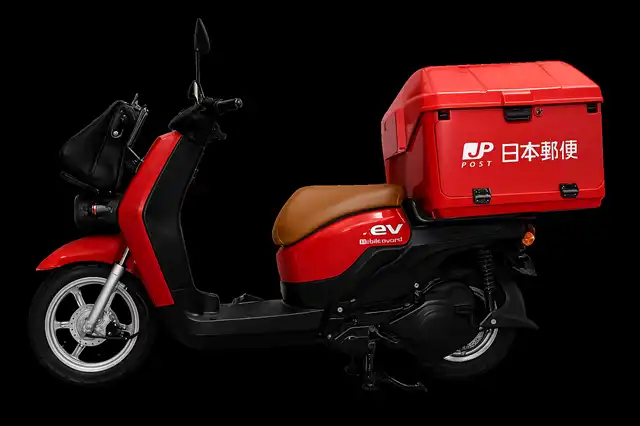
Japan Post has been operating over 10,000 Honda-manufactured electric motorcycles for delivery services since 2019, but a series of battery fires in 2025 has raised serious questions about lithium-ion battery safety in electric vehicles.
In a particularly severe incident on July 8th at the Samukawa Post Office in Kanagawa Prefecture, 28 electric motorcycles caught fire.
The blaze started from batteries charging in a stationary garage rather than during operation, causing significant delivery delays and prompting Japan Post to suspend use of the problematic EV motorcycle batteries nationwide.
Similar fires occurred earlier in 2025 in Fukuoka and Kumamoto prefectures, establishing a troubling pattern.
The Technical Problem
Honda has issued a recall for its “Honda Mobile Power Pack e:” removable battery system. The manufacturer identified improper welding conditions between battery cells and components as the root cause, leading to electrolyte leakage and subsequent fires.
The removable design, typically considered an advantage for portable power systems, paradoxically contributed to the Samukawa disaster’s severity. Batteries stored in close proximity enabled cascading fire spread from one unit to another.
The Challenge of Fighting Lithium-Ion Fires
Lithium-ion batteries, while offering high energy density and long lifespan, pose unique fire hazards. They can spontaneously ignite due to internal short circuits caused by impact, high temperatures, or vibration. More critically, applying water to burning lithium-ion batteries can intensify flames through chemical reactions.
The Tokyo Fire Department has established specific protocols for removable battery fires:
- Avoid approaching batteries emitting intense sparks or smoke
- Once the initial outbreak subsides, apply large quantities of water or fire extinguishers
- After extinguishing, submerge batteries in water if safely possible, as internal smoldering can continue
The key insight: while small amounts of water are dangerous, large volumes can effectively extinguish lithium-ion fires by cooling the affected area sufficiently.
Implications for Full-Size Electric Vehicles
The motorcycle batteries involved in these incidents are relatively small capacity. This raises urgent questions about larger EV battery packs in passenger vehicles.
Electric vehicles have proliferated globally since 2019, with adoption rates reaching 7-8% in the United States, approximately 15% in Europe, and over 20% in China—translating to millions of vehicles on the road. As EV numbers increase, so do fire incidents.
A 2023 Tesla Model S fire in California demonstrated the scale of resources required for EV fires. The highway fire necessitated approximately 6,000 gallons (22 tons) of water and three fire trucks to extinguish—for a single vehicle. This represents a significant challenge for emergency response systems.
Japan’s Safety Response
Japan has experienced relatively few serious EV fires to date, with incidents limited to stationary vehicles ignited by external factors. However, authorities recognize the need for proactive measures.
On September 26, 2025, Japan’s Ministry of Land, Infrastructure, Transport and Tourism established new “Standards for Ensuring Passenger Safety in Electric Vehicles.” These regulations mandate that vehicles either:
- Prevent battery-wide thermal runaway, or
- Detect abnormal heating, issue warnings, and provide a 5-minute window before fire, explosion, or cabin smoke intrusion occurs
This five-minute safety margin is designed to give occupants sufficient time to safely stop and evacuate the vehicle.
The standards will apply to new vehicle models from September 2027 and to continuing production vehicles from September 2030. Vehicles failing to meet these requirements will not receive certification for sale in Japan.
What Drivers Should Know
For large EV battery fires, individual response options are extremely limited. If drivers detect smoke or unusual odors while operating an electric vehicle, they should:
- Immediately move to a safe location away from other vehicles and structures
- Evacuate the vehicle
- Call emergency services
The initial response techniques applicable to removable batteries are impractical for integrated EV battery packs. Professional fire services with specialized equipment and substantial water supplies are essential for managing these incidents safely.
As electric vehicle adoption continues globally, these safety protocols and manufacturing standards represent critical steps toward managing the unique risks associated with high-capacity lithium-ion battery systems.
Honda Electric Motorcycle Battery Fires Raise Safety Concerns About Lithium-Ion EVs
References:
ホンダ電動バイクが28台炎上! はたして「EVは大丈夫」なのか? 郵便局事故が示すリチウムイオン火災の危険性