Intel’s High-End Battlemage GPU Finally Confirmed: BMG-G31 Set for 2026 Debut
Intel’s High-End Battlemage GPU Finally Confirmed: BMG-G31 Set for 2026 Debut
- Why Enterprise RAID Rebuilding Succeeds Where Consumer Arrays Fail?
- Linus Torvalds Rejects MMC Subsystem Updates for Linux 7.0: “Complete Garbage”
- The Man Who Maintained Sudo for 30 Years Now Struggles to Fund the Work That Powers Millions of Servers
- How Close Are Quantum Computers to Breaking RSA-2048?
- Why Windows 10 Users Are Flocking to Zorin OS 18 Instead of Linux Mint?
- How to Prevent Ransomware Infection Risks?
- What is the best alternative to Microsoft Office?
Intel’s High-End Battlemage GPU Finally Confirmed: BMG-G31 Set for 2026 Debut
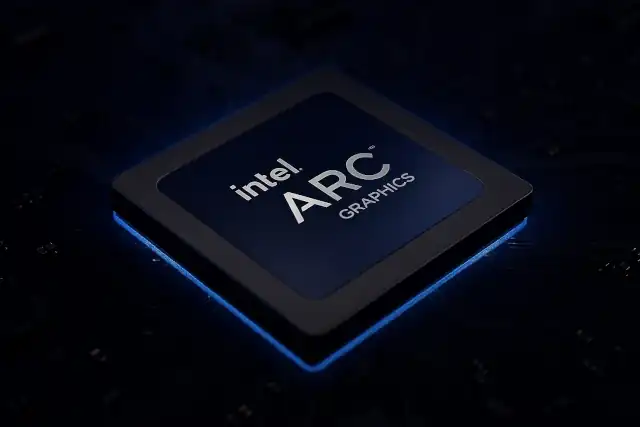
After months of speculation and rumor, Intel has officially confirmed the existence of its high-end Battlemage graphics card, the BMG-G31.
The confirmation came through an unexpected but authoritative source: the update notes for Intel’s VTune Profiler performance analysis tool.
Will HEVC/H.265 Be Replaced by AV1 and AVS3?
Official Confirmation Emerges
The BMG-G31’s name appeared in the VTune Profiler changelog, where Intel explicitly stated that the new version adds support for two key hardware platforms: the Intel Arc Battlemage (BMG-G31) and Intel Core Ultra 300 series processors (Panther Lake).
This marks the first time Intel has publicly acknowledged the existence of this high-end discrete graphics solution, putting to rest months of speculation about whether the company would venture into the enthusiast GPU segment with its Battlemage architecture.
NVIDIA Emergency Driver Restores Up to 50% Gaming Performance on Windows 11
Rumored Specifications Point to Serious Performance
According to circulating specifications, the BMG-G31 represents Intel’s most ambitious consumer graphics effort to date. The card is expected to feature up to 32 Xe2 cores—a substantial 60% increase over the recently launched B580. This significant core count suggests Intel is targeting the upper mid-range to high-end gaming market, directly competing with established players in the discrete GPU space.
Memory configuration appears equally robust, with reports indicating 16GB of GDDR6 memory paired with a 256-bit bus interface. The card will also support the full PCIe 5.0 x16 interface, ensuring maximum bandwidth for data transfer. Industry observers speculate the final product name could follow Intel’s existing nomenclature, potentially launching as something like the “B770.”
GPU Prices Set to Surge as Memory Costs Jump Over $80 for 16GB Configurations
Synchronized Launch with Panther Lake
The simultaneous mention of BMG-G31 and Panther Lake in the VTune update is particularly revealing. Panther Lake, Intel’s next-generation laptop processor series, has already been officially announced with a planned unveiling at CES 2026. The pairing of these two products in the same support update strongly suggests a coordinated launch strategy.
If this timeline holds, consumers can expect to see the BMG-G31 make its official debut at CES 2026 in Las Vegas, likely in early January. This would give Intel a major platform to showcase its high-end graphics capabilities to both consumers and the press.
Breaking Barriers in AI: NVIDIA’s OmniVinci Model Integrates Vision Audio and Text
Professional Applications on the Horizon
Beyond gaming, the BMG-G31 architecture is expected to power Intel’s Arc Pro professional graphics lineup.
For workstation and content creation applications, Intel may offer configurations with up to 32GB of memory on a single card—double the rumored gaming variant.
This would make the Arc Pro version particularly attractive for professionals working with large datasets, 3D rendering, video editing, and AI workloads.
China’s “Nvidia Rival” Cambricon Sees 1300% Revenue Surge Benefiting from US and China’s bans
Market Implications
Intel’s move into the high-end discrete GPU market represents a significant escalation in its graphics ambitions. After establishing a foothold in the entry and mid-range segments with its first-generation Arc products and the recent Battlemage B580, a high-end offering would complete Intel’s GPU portfolio and provide genuine competition across all market segments.
The timing of a CES 2026 launch would also be strategic, allowing Intel to capitalize on the buzz surrounding Panther Lake while demonstrating the synergy between its CPU and GPU technologies. For consumers, increased competition in the high-end GPU market could mean better pricing and more innovation across the board.
As we approach CES 2026, all eyes will be on Intel to see whether the BMG-G31 can deliver on its apparent promise and shake up the discrete graphics market that has long been dominated by AMD and NVIDIA.