iPhone 17 Pro Signal Issues: Why Metal Cases Cause Interference
iPhone 17 Pro Signal Issues: Why Metal Cases Cause Interference and What You Need to Know
- Why Enterprise RAID Rebuilding Succeeds Where Consumer Arrays Fail?
- Linus Torvalds Rejects MMC Subsystem Updates for Linux 7.0: “Complete Garbage”
- The Man Who Maintained Sudo for 30 Years Now Struggles to Fund the Work That Powers Millions of Servers
- How Close Are Quantum Computers to Breaking RSA-2048?
- Why Windows 10 Users Are Flocking to Zorin OS 18 Instead of Linux Mint?
- How to Prevent Ransomware Infection Risks?
- What is the best alternative to Microsoft Office?
iPhone 17 Pro Signal Issues: Why Metal Cases Cause Interference and What You Need to Know
The relationship between metal phone cases and signal interference has become increasingly relevant as smartphones integrate more antennas in tighter spaces.
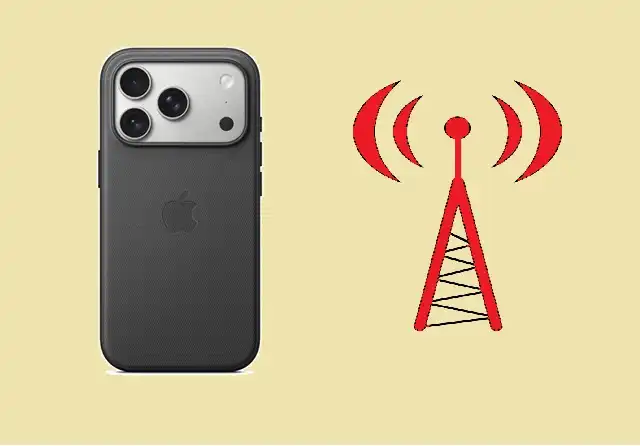
Recent discussions about the iPhone 17 Pro series have highlighted concerns about signal degradation when metal accessories are used near the camera module, where antenna elements are strategically positioned.
Understanding Antenna Fundamentals
Modern smartphones like the iPhone rely on multiple antenna systems to maintain connectivity across various wireless standards including cellular networks (4G/5G), Wi-Fi, Bluetooth, and GPS. These antennas are carefully engineered to transmit and receive electromagnetic waves at specific frequencies, with their performance heavily dependent on their surrounding environment.
The effectiveness of any antenna system depends on several key factors:
- Radiation pattern: The directional characteristics of how the antenna sends and receives signals
- Impedance matching: The electrical compatibility between the antenna and the radio circuitry
- Ground plane: The conductive surface that serves as a reference point for the antenna’s electromagnetic field
The Physics of Metal Interference
Metal objects create significant challenges for antenna performance through several electromagnetic phenomena:
Electromagnetic Shielding
Metals are excellent conductors of electricity, which means they readily absorb and reflect electromagnetic waves. When a metal case surrounds or is positioned near an antenna, it creates an electromagnetic shield that can block radio waves from reaching or leaving the antenna effectively. This shielding effect is particularly pronounced when the metal completely encloses the antenna area.
Parasitic Coupling
Metal objects near antennas can act as parasitic elements, creating unintended electromagnetic coupling. This coupling can alter the antenna’s resonant frequency, shifting it away from the intended operating frequency. When this occurs, the antenna becomes less efficient at its designed frequency, resulting in reduced signal strength and quality.
Current Induction and Detuning
Metal cases can develop induced currents when exposed to the electromagnetic fields generated by the phone’s antennas. These currents create their own electromagnetic fields that can interfere constructively or destructively with the intended antenna radiation. More commonly, this interference is destructive, leading to a phenomenon known as antenna detuning, where the antenna’s optimal operating characteristics are compromised.
iPhone 17 Pro Series: Antenna Placement Considerations
The reported antenna placement around the camera module in the iPhone 17 Pro series represents a design challenge that makes the device particularly susceptible to metal interference. This positioning choice likely stems from several factors:
Space Optimization
Modern smartphones face intense pressure to maximize internal space for batteries, processors, and other components. Placing antennas around the camera module utilizes previously underutilized space while maintaining the necessary separation from other electronic components that might cause interference.
Thermal Management
Camera modules generate significant heat during operation, and positioning antennas nearby requires careful thermal considerations. Metal cases can exacerbate thermal issues by creating additional heat retention around these sensitive areas.
Multi-Band Requirements
5G networks require support for multiple frequency bands, necessitating more antenna elements than previous generations. The camera area provides additional real estate for these multiple antenna systems while maintaining adequate spacing between elements.
Technical Impact on Signal Performance
The interference caused by metal cases manifests in several measurable ways:
Reduced Signal Strength
The most immediate effect is a reduction in received signal strength indicator (RSSI) values. Users may notice fewer signal bars or degraded network performance, particularly in areas with marginal coverage.
Increased Bit Error Rates
Signal interference can lead to higher bit error rates in data transmission, resulting in slower internet speeds, dropped calls, and reduced call quality. This is particularly noticeable during activities requiring high data throughput.
Battery Life Impact
When signal quality is compromised, the phone’s radio systems must work harder to maintain connectivity, increasing power consumption and reducing battery life. The device may also increase transmission power to compensate for poor antenna performance, further draining the battery.
Material Science Considerations
Different metals and conductive materials have varying impacts on antenna performance:
Ferromagnetic Materials
Iron, nickel, and cobalt-based alloys can cause significant interference due to their magnetic properties, which interact with electromagnetic fields in complex ways.
Non-Ferromagnetic Conductors
Aluminum, copper, and brass still cause interference through conductivity but may have less severe impacts than ferromagnetic materials.
Conductive Coatings
Even thin conductive coatings or treatments on non-metallic cases can create interference effects, though typically less severe than solid metal construction.
Design Solutions and Mitigation Strategies
Manufacturers and accessory makers have developed several approaches to minimize metal interference:
Strategic Cutouts
Well-designed metal cases include precisely positioned cutouts or windows in areas where antennas are located, maintaining protection while preserving signal performance.
Alternative Materials
Hybrid designs combining metal structural elements with non-conductive materials in critical antenna areas can provide durability without significant signal degradation.
Antenna Relocation
Some manufacturers design antenna systems with multiple elements, allowing for redundancy when some antennas are blocked by accessories.
Consumer Implications and Recommendations
For users considering metal cases, several factors should be evaluated:
Usage Patterns
Users in areas with strong cellular coverage may notice minimal impact from metal cases, while those in marginal coverage areas may experience significant degradation.
Feature Dependencies
Users who rely heavily on GPS navigation, mobile hotspot functionality, or high-speed data services should be particularly cautious about metal case selection.
Quality Variations
Not all metal cases are created equal – some designs minimize interference through careful engineering, while others may severely compromise signal performance.
Conclusion
The interaction between metal phone cases and antenna systems represents a fundamental challenge in electromagnetic compatibility. As smartphones integrate more wireless technologies and antennas into increasingly compact designs, the potential for interference from metal accessories grows. The reported concerns about the iPhone 17 Pro series highlight the importance of considering antenna placement in both device design and accessory selection.
While metal cases can provide superior protection and aesthetic appeal, users must weigh these benefits against the potential for reduced wireless performance. Understanding the technical principles behind this interference empowers consumers to make informed decisions about their device protection strategies, ensuring that the pursuit of durability doesn’t come at the expense of connectivity.
As wireless technology continues to evolve with 6G networks and new communication standards on the horizon, the relationship between device design, antenna placement, and accessory compatibility will remain a critical consideration for both manufacturers and consumers alike.