LineageOS 23 Officially Released: Android 16-Based Custom Firmware Now Available for 100+ Devices
LineageOS 23 Officially Released: Android 16-Based Custom Firmware Now Available for 100+ Devices
- Why Enterprise RAID Rebuilding Succeeds Where Consumer Arrays Fail?
- Linus Torvalds Rejects MMC Subsystem Updates for Linux 7.0: “Complete Garbage”
- The Man Who Maintained Sudo for 30 Years Now Struggles to Fund the Work That Powers Millions of Servers
- How Close Are Quantum Computers to Breaking RSA-2048?
- Why Windows 10 Users Are Flocking to Zorin OS 18 Instead of Linux Mint?
- How to Prevent Ransomware Infection Risks?
- What is the best alternative to Microsoft Office?
LineageOS 23 Officially Released: Android 16-Based Custom Firmware Now Available for 100+ Devices
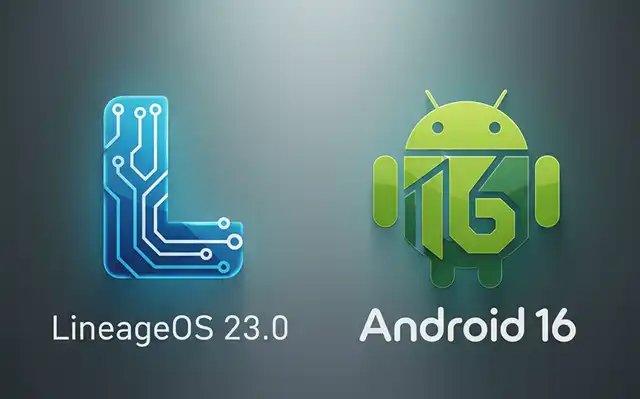
October 14, 2025 — LineageOS, one of the most popular third-party Android firmware distributions, has officially launched LineageOS 23.0, bringing Android 16 features to over 100 smartphone and tablet models that may not receive official updates from their manufacturers.
Based on Android 16 Initial Release
LineageOS 23.0 is built on Android 16’s initial release version rather than the latest QPR1 (Quarterly Platform Release) stable build. According to the development team, this decision stems from Google’s recent policy changes — the search giant has not yet publicly released the Android 16 QPR1 source code, making it available only to partners and select developers. This limitation prevented the LineageOS team from building their custom ROM on the most current Android 16 foundation.
Key Features and Updates
Despite being based on the initial Android 16 release, LineageOS 23.0 incorporates all major features from Android 16’s June stable version, including:
- Edge-to-edge display mode for immersive viewing experiences
- Predictive back navigation for smoother app transitions
- Enhanced app adaptability for better performance across different screen sizes
- Advanced Protection Mode for improved security
However, the release does not include Material 3 Expressive design language or desktop mode functionality. LineageOS 23.0 does add its own custom music player with shuffle capabilities for those who prefer a built-in audio solution.
Extensive Device Support
LineageOS 23.0 supports a diverse range of devices from numerous manufacturers, spanning budget to flagship models. Supported brands include:
- Google: Pixel 4a 5G through Pixel 5a
- Samsung: Galaxy S10 series, Note 10 series, S20 FE, and multiple Galaxy Tab models
- Motorola: Edge series, Moto G series, and various other models
- OnePlus: OnePlus 7 Pro through OnePlus 12R, plus Nord series devices
- Xiaomi: Mi 12 series, Mi 13 series, POCO F5 series, and numerous Redmi models
- Sony: Xperia 1, 5, and 10 series across multiple generations
- Others: Fairphone, Nothing Phone (2), Nubia, Realme, Lenovo, and F(x)tec devices
The complete list includes over 100 specific device models, giving new life to phones and tablets that manufacturers may have stopped supporting with official updates.
Installation Requirements
Users interested in installing LineageOS 23.0 must first unlock their device’s bootloader — a process that varies by manufacturer and model. Some manufacturers restrict bootloader unlocking, which may prevent certain devices from running custom firmware even if they appear on the supported device list.
As with any custom ROM installation, users should back up their data and carefully follow installation instructions, as the process typically voids warranties and carries inherent risks.
LineageOS 23.0 represents a significant update for the custom Android community, extending the latest Android features to devices that would otherwise be left behind in the update cycle. The release continues LineageOS’s mission of providing users with greater control over their devices and access to current software features regardless of manufacturer support timelines.
Is LineageOS safe to use?
LineageOS is generally considered safe and legitimate, but whether it’s right for you depends on your needs and technical comfort level. Here’s what you should know:
Safety Considerations
Pros:
- Open source and transparent – The code is publicly available and reviewed by the community, making malicious additions unlikely
- Regular security updates – Often provides security patches faster than many phone manufacturers
- No bloatware or tracking – Removes manufacturer and carrier apps that may collect data
- Active community – Long-standing project (successor to CyanogenMod) with experienced developers
Risks and Limitations:
- Banking and payment apps – Many won’t work due to SafetyNet/Play Integrity failures, as they detect unlocked bootloaders and custom ROMs
- Warranty void – Installing custom firmware typically voids your manufacturer warranty
- Installation risks – If done incorrectly, you could temporarily “brick” your device (though usually recoverable)
- Missing features – Some manufacturer-specific features (camera quality optimizations, special hardware features) may not work as well
- No official support – You’re relying on community forums rather than manufacturer support
Who Should Use It?
LineageOS works well if you:
- Have an older device no longer receiving updates
- Want more control and privacy
- Are comfortable with technology and troubleshooting
- Don’t rely heavily on banking apps or other security-sensitive apps
It’s not recommended if you need guaranteed stability for work, rely on mobile payments, or aren’t comfortable with potential technical issues.
The software itself is safe, but the process of installing it and living with a custom ROM requires some trade-offs.