MacBook Pro May Finally Get Touch Screen in 2026 OLED Version
MacBook Pro May Finally Get Touch Screen in 2026 OLED Version
- Why Enterprise RAID Rebuilding Succeeds Where Consumer Arrays Fail?
- Linus Torvalds Rejects MMC Subsystem Updates for Linux 7.0: “Complete Garbage”
- The Man Who Maintained Sudo for 30 Years Now Struggles to Fund the Work That Powers Millions of Servers
- How Close Are Quantum Computers to Breaking RSA-2048?
- Why Windows 10 Users Are Flocking to Zorin OS 18 Instead of Linux Mint?
- How to Prevent Ransomware Infection Risks?
- What is the best alternative to Microsoft Office?
MacBook Pro May Finally Get Touch Screen in 2026 OLED Version
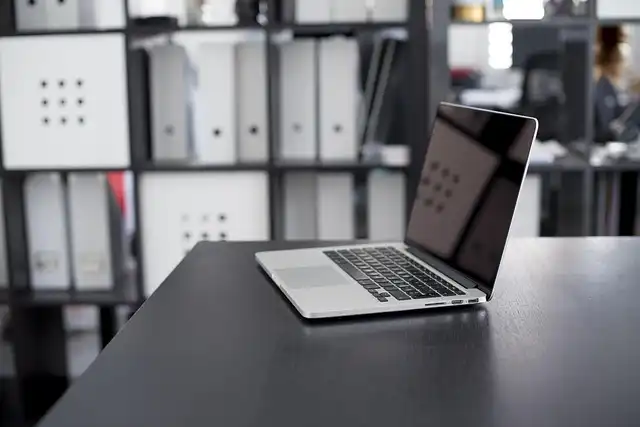
The time for finger swiping may finally be approaching. According to reliable sources, Apple is set to introduce touch screen capabilities for the first time in the MacBook Pro with OLED display, scheduled to begin mass production in late 2026.
Analyst Predictions Point to Touch-Enabled Future
Ming-Chi Kuo, an analyst at TF International Securities, stated in a post on X that the more affordable MacBook model scheduled for mass production within 2025 will not feature a touch screen. However, the OLED-equipped MacBook Pro expected to enter mass production in late 2026 is likely to include touch screen functionality.
Apple representatives did not immediately respond to requests for comment.
Apple’s Evolving Perspective on Touch
According to Kuo’s analysis, Apple has observed how users interact with the iPad over many years and has come to recognize that “in certain situations, touch operation improves productivity and overall user experience.”
While Apple has not confirmed this information as fact, Kuo highlighted his track record of accurate predictions on September 17, including specifications for the iPhone Air, Apple Watch Ultra 3, and the virtually unchanged Dynamic Island size for the iPhone 17.
The Future of MacBook Evolution
Nearly 20 years have passed since Apple released the original MacBook. CNET’s Scott Stein believes that the iPad and MacBook platforms will eventually merge.
YouTuber Jon Rettinger, who has 1.65 million subscribers, agrees that iPad and MacBook are “heading toward integration,” noting that consumers constantly seek the next level of operability and form factor—in this case, touch screens.
However, as devices and operating systems move toward integration, Rettinger points out that the future of iPadOS presents a significant challenge.
“How will iPadOS evolve going forward?” Rettinger asks. “I think they’ll eventually integrate, but the iPad will likely remain primarily a device for media consumption, while actual work will continue to be handled by Mac.”
Industry Implications
This potential shift represents a significant departure from Apple’s traditional stance on laptop touch interfaces. The company has historically maintained that touch screens on laptops create ergonomic challenges and that the MacBook’s trackpad and keyboard provide superior input methods for productivity tasks.
If implemented, the touch-enabled MacBook Pro could bridge the gap between Apple’s tablet and laptop ecosystems, potentially offering users more versatile interaction options while maintaining the professional-grade performance that MacBook Pro users expect.
The 2026 timeline also aligns with Apple’s broader transition to OLED display technology across its product lineup, suggesting that the company may be using this display upgrade as an opportunity to introduce touch capabilities without compromising the device’s premium positioning.