Microsoft’s Windows 11 26H1 Update: A Strategic Bet on Snapdragon ARM Devices
Microsoft’s Windows 11 26H1 Update: A Strategic Bet on Snapdragon ARM Devices
- Why Enterprise RAID Rebuilding Succeeds Where Consumer Arrays Fail?
- Linus Torvalds Rejects MMC Subsystem Updates for Linux 7.0: “Complete Garbage”
- The Man Who Maintained Sudo for 30 Years Now Struggles to Fund the Work That Powers Millions of Servers
- How Close Are Quantum Computers to Breaking RSA-2048?
- Why Windows 10 Users Are Flocking to Zorin OS 18 Instead of Linux Mint?
- How to Prevent Ransomware Infection Risks?
- What is the best alternative to Microsoft Office?
Microsoft’s Windows 11 26H1 Update: A Strategic Bet on Snapdragon ARM Devices
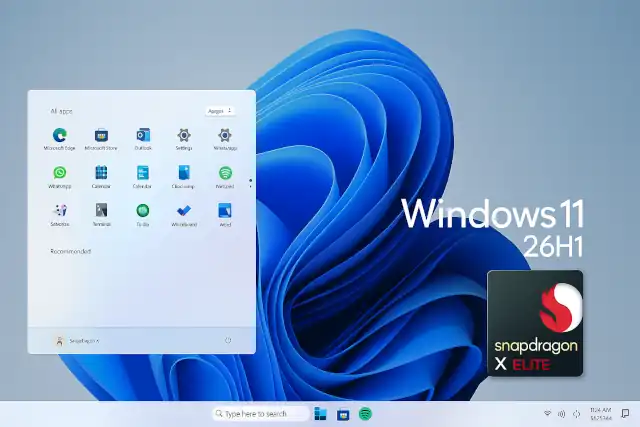
Microsoft has just released Windows 11 Build 28000 to Windows Insider users, marking the official public testing phase for the upcoming 26H1 update.
Unlike previous updates that typically introduced flashy new features, this release takes a fundamentally different approach—focusing entirely on underlying architecture optimization without any visible interface or application changes for users.
How Did Tesla and Major Companies Fall Victim to Cryptojacking?
A Different Kind of Update
What makes 26H1 particularly noteworthy is Microsoft’s explicit mention that these optimizations are designed to pave the way for “specific new hardware.” Industry insiders widely interpret this as preparation for devices powered by Qualcomm’s Snapdragon X2 series chips. In essence, 26H1 isn’t about adding bells and whistles for existing users—it’s about building a solid foundation of performance and stability for new Arm-based PCs.
The response from the tech community has been surprisingly positive. One user on a technical forum commented: “Finally, they’re not just piling on features. Previous updates kept adding things nobody uses. This focus on underlying optimization is actually more practical—my Snapdragon laptop finally has something to look forward to.” Indeed, for Arm device users, system smoothness matters far more than one additional minor feature.
Why the Snapdragon X2 Focus?
Many are curious why Microsoft is specifically targeting Snapdragon X2 optimization in 26H1. From an industry perspective, the answer lies in both hardware advantages and strategic positioning. Qualcomm’s Snapdragon X2 chips offer significant benefits in power efficiency and AI computing capabilities, while Microsoft has long sought to strengthen the Windows on Arm (WoA) ecosystem. This underlying optimization represents Microsoft “setting the stage” for broader adoption.
Historically, Arm-based devices running Windows have occasionally faced compatibility issues or performance hiccups. The 26H1 update addresses these pain points by adjusting the underlying architecture to better match Snapdragon X2’s hardware characteristics. This includes enabling more stable performance from the chip’s computing power while reducing power consumption—improvements that not only enhance user experience but also encourage more manufacturers to release Snapdragon X2 Windows devices.
How to Prevent Ransomware Infection Risks
Microsoft’s Strategic Playbook
From a strategic standpoint, Microsoft’s approach is crystal clear: use 26H1 to perfect hardware compatibility first, then gradually introduce new features later—creating a “stability first, optimization later” update rhythm. After all, if new hardware doesn’t run smoothly, even the most dazzling features become irrelevant. This is the core reason why 26H1 has abandoned the traditional “feature-driven” update model.
This shift signals Microsoft’s commitment to making Windows on Arm a viable alternative to traditional x86 systems. By investing heavily in optimization for Qualcomm’s latest silicon, Microsoft is betting that improved performance and efficiency will finally convince both consumers and enterprise customers that Arm-based Windows devices are ready for mainstream adoption.
As the tech landscape continues to evolve toward more power-efficient computing—particularly important for mobile devices and AI workloads—Microsoft’s 26H1 update may prove to be a pivotal moment in the Windows on Arm journey. Whether this gamble pays off will depend on how well the optimizations translate to real-world performance when Snapdragon X2 devices hit the market.