PC Prices Set to Jump 20% in 2026 as Memory Shortage Worsens
PC Prices Set to Jump 20% in 2026 as Memory Shortage Worsens
- Why Enterprise RAID Rebuilding Succeeds Where Consumer Arrays Fail?
- Linus Torvalds Rejects MMC Subsystem Updates for Linux 7.0: “Complete Garbage”
- The Man Who Maintained Sudo for 30 Years Now Struggles to Fund the Work That Powers Millions of Servers
- How Close Are Quantum Computers to Breaking RSA-2048?
- Why Windows 10 Users Are Flocking to Zorin OS 18 Instead of Linux Mint?
- How to Prevent Ransomware Infection Risks?
- What is the best alternative to Microsoft Office?
PC Prices Set to Jump 20% in 2026 as Memory Shortage Worsens
PC Manufacturers Powerless Against Memory Shortage: New Products to Cost at Least 20% More in 2026
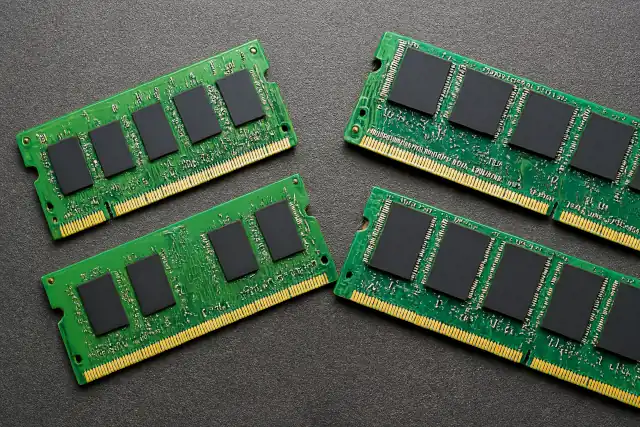
A severe DRAM shortage is forcing laptop and PC makers to prepare consumers for significant price increases, with industry sources warning that relief may not come anytime soon.
As the memory shortage crisis continues to intensify, a massive wave of price increases is bearing down on consumers, particularly affecting laptops and other computing devices.
PC manufacturers have been relying on existing inventory to maintain current pricing, but this strategy has become unsustainable amid the ongoing DRAM shortage. Many major PC companies are now operating at a loss as they struggle to absorb rising component costs.
According to ZDNet Korea, new products launching next year will have “no choice but to increase prices by at least 20%,” while existing products will be discontinued at an accelerated pace.
Telegram Founder Launches Cocoon: A Decentralized Network Challenging Big Tech’s AI Monopoly
Explosive Price Volatility
Supply chain insiders reveal that PC memory product prices have experienced dramatic fluctuations since early Q4 (October), with some reporting that “prices double every ten days” in certain cases.
One industry source explained that memory and SSD supply prices have skyrocketed to such an extent that manufacturers cannot secure adequate quantities even when placing orders. Next year, even large manufacturers are expected to receive only about half of their requested order volumes.
The source noted that PC manufacturers are extremely sensitive to cost changes—reacting to increases as small as one cent. When costs jump by tens of dollars in a single instance, losses become inevitable.
World’s First Self-Destructing SSD: T-CREATE EXPERT P35S Enables One-Button Data Destruction
Supply Constraints Likely to Persist
The straightforward solution would be for memory manufacturers to increase PC memory production or for new suppliers to enter the market. Unfortunately, neither scenario appears likely in the near term.
Major memory manufacturers including Samsung and SK Hynix are strategically shifting their production capacity toward high-value-added products with more certain demand profiles, particularly High Bandwidth Memory (HBM) used in AI applications and advanced computing.
This production reallocation means that PC memory supply is unlikely to increase significantly in the short term, leaving manufacturers with few options beyond passing costs to consumers.
Why You Need DNS over HTTPS or DNS over TLS to Protect Your Privacy?
Impact on Upcoming Product Launches
The timing could not be worse for the PC industry, which is preparing to launch new platforms. Devices featuring Intel’s upcoming Panther Lake processors and AMD’s Gorgon Point APUs are expected to be substantially more expensive than their predecessors when they reach market.
The situation represents a perfect storm for the PC industry: declining inventory buffers, surging component costs, and a supply situation that shows no signs of improvement. For consumers planning to purchase new computers in 2025, the message is clear—expect to pay significantly more than in previous years, or consider buying sooner rather than later while current-generation products remain available.
As manufacturers navigate these challenging market conditions, the broader question remains whether demand will hold up in the face of such dramatic price increases, or whether the PC market will contract as consumers delay purchases or seek alternative solutions.