The monthly production capacity of Raspberry Pi has reached 1 million units
The monthly production capacity of Raspberry Pi has reached 1 million units
- Why Enterprise RAID Rebuilding Succeeds Where Consumer Arrays Fail?
- Linus Torvalds Rejects MMC Subsystem Updates for Linux 7.0: “Complete Garbage”
- The Man Who Maintained Sudo for 30 Years Now Struggles to Fund the Work That Powers Millions of Servers
- How Close Are Quantum Computers to Breaking RSA-2048?
- Why Windows 10 Users Are Flocking to Zorin OS 18 Instead of Linux Mint?
- How to Prevent Ransomware Infection Risks?
- What is the best alternative to Microsoft Office?
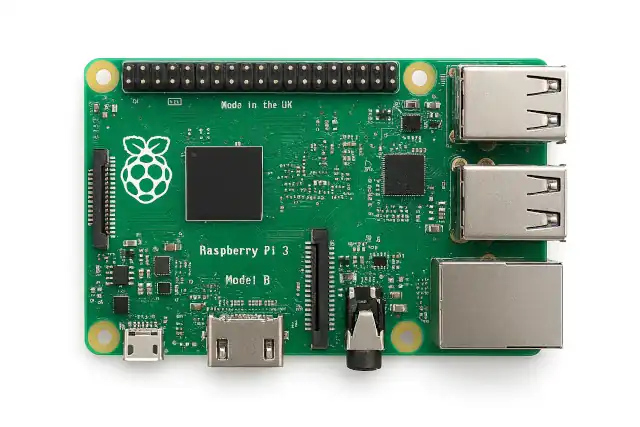
The monthly production capacity of Raspberry Pi has reached 1 million units.
In June medida reported that the Raspberry Pi shortage had been resolved.
At the time, Raspberry Pi CEO Eben Upton said that from July onwards, the supply of Raspberry Pi would reach 1 million units per month.
The supply of Raspberry Pi is gradually recovering now.
According to the latest news , the current monthly production capacity of Raspberry Pi can reach 1 million units.
The previous monthly production capacity was only 400,000 units and it was given priority to supply to commercial customers.
Later, it gradually increased to 600,000 units, and now it has reached 1 million units. And this level can be “sustained until the remaining customer backlog is eliminated and a state of sufficient supply is restored.”
Since most Raspberry Pis are manufactured in Sony’s factory in Wales, UK, Raspberry Pi resellers in the UK have begun to lift some purchase restrictions.
Previously, these distributors limited the number of Raspberry Pis that users could purchase each time.
If the quantity exceeded, they would no longer support the purchase.
One was to prevent someone from buying too much and others could not buy it. .
According to the latest data from the e-commerce platform, the current price of Raspberry Pi 4b has dropped a lot, but it still has not returned to the normal suggested retail price, which means the premium rate is still relatively high.