Tiny11 25H2 Released: Ultra-Lightweight Windows 11 System for Older PCs
Tiny11 25H2 Released: Ultra-Lightweight Windows 11 System for Older PCs
- Why Enterprise RAID Rebuilding Succeeds Where Consumer Arrays Fail?
- Linus Torvalds Rejects MMC Subsystem Updates for Linux 7.0: “Complete Garbage”
- The Man Who Maintained Sudo for 30 Years Now Struggles to Fund the Work That Powers Millions of Servers
- How Close Are Quantum Computers to Breaking RSA-2048?
- Why Windows 10 Users Are Flocking to Zorin OS 18 Instead of Linux Mint?
- How to Prevent Ransomware Infection Risks?
- What is the best alternative to Microsoft Office?
Tiny11 25H2 Released: Ultra-Lightweight Windows 11 System for Older PCs
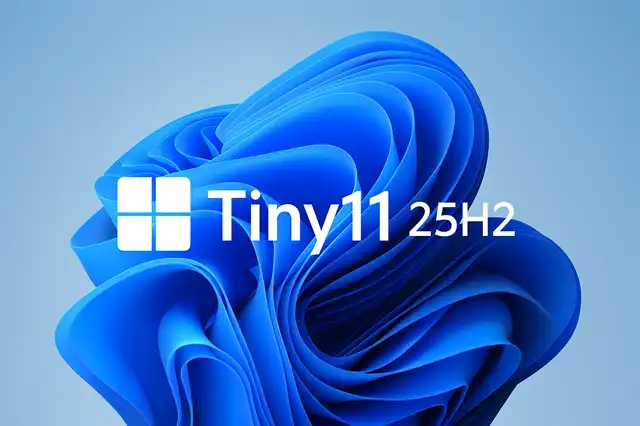
A new stripped-down version of Windows 11 has been released by independent developer NTDEV.
The Tiny11 25H2, based on Windows 11 version 25H2, promises a leaner operating system experience by removing bloatware, disabling telemetry, eliminating ads, and bypassing hardware requirements that typically prevent older computers from running Windows 11.
What is Tiny11?
Tiny11 is part of the Tiny10/11 series of modified Windows installations that aim to reduce system resource consumption by removing components the developer considers redundant.
Unlike previous experimental versions, the 25H2 release is positioned as suitable for daily use, particularly on aging hardware that struggles with modern Windows requirements.
Key Features
According to the release notes, Tiny11 25H2 includes the following modifications:
- Removed pre-installed apps: OneDrive, Help Center, Internet Explorer, and most Microsoft bundled applications have been deleted
- Edge browser removed: Microsoft Edge has been stripped out (though some remnants remain)
- No hardware requirements: Can be installed on PCs that don’t meet Windows 11’s official hardware specifications
- No Microsoft account required: Users can set up the system with a local account, though online accounts remain optional
- Disabled telemetry: Microsoft’s data collection features have been turned off
- Disabled advertising: Ad-related data collection has been blocked
The system is targeted at users with lower-end hardware, minimalist enthusiasts, and gamers seeking maximum performance.
Is Tiny11 Legal?
The legality of Tiny11 exists in a gray area:
While modifying Windows for personal use may fall under fair use in some jurisdictions, distributing modified Windows installations likely violates Microsoft’s licensing terms. The Windows license agreement prohibits:
- Redistributing modified versions of Windows
- Circumventing product activation or hardware requirements
- Removing or disabling built-in components in ways that violate the license
Users would still need a legitimate Windows 11 license to use Tiny11 legally. Simply downloading and using a modified ISO without a proper license would constitute software piracy. Microsoft has not officially endorsed or approved this project.
Why didn’t Microsoft sue the developer of Tiny11?
That’s an interesting question about why Microsoft hasn’t taken legal action against the developer: NTDEV. There are several possible reasons:
Likely Reasons Microsoft Hasn’t Sued
1. Scale and Priority
- Tiny11 is a relatively small project with limited distribution compared to widespread piracy operations
- Microsoft likely prioritizes enforcement against larger-scale commercial piracy that causes more financial damage
- Legal action is expensive and time-consuming; Microsoft may not see it as worth the resources
2. Whack-a-Mole Problem
- Even if Microsoft shut down NTDEV, similar projects would likely pop up elsewhere
- The developer operates somewhat anonymously, making legal action more difficult
- Shutting down one modified Windows distribution doesn’t solve the broader issue
3. Community Dynamics
- Taking legal action could generate negative publicity and community backlash
- Some users of Tiny11 might still have legitimate Windows licenses
- The project arguably helps keep older hardware in the Windows ecosystem rather than losing users to Linux
4. Technical Barriers
- Users still need a Windows license key to activate the system properly
- Microsoft’s activation servers still control access to full functionality
- The modification doesn’t necessarily represent lost sales if users already own licenses
5. Unclear Legal Benefit
- A lawsuit might not prevent distribution through decentralized platforms
- Could create a martyr effect, drawing more attention to modified Windows projects
- Enforcement might be complicated by jurisdictional issues if NTDEV operates from certain countries
6. Strategic Tolerance
- Microsoft may view this as a niche use case that doesn’t significantly impact their business model, which has shifted toward cloud services and enterprise licensing
- They might prefer these users stay in the Windows ecosystem rather than switching to free alternatives
Historical Context
Microsoft has historically been selective about enforcement actions, often focusing on:
- Commercial counterfeiters selling fake Windows copies
- Large-scale enterprise license violations
- OEMs pre-installing pirated software
They’ve generally been less aggressive toward individual enthusiast projects, especially when distributed freely rather than sold commercially.
That said, just because Microsoft hasn’t taken action yet doesn’t mean they won’t in the future, or that using Tiny11 is legally safe. The lack of enforcement doesn’t change the fact that the project likely violates Microsoft’s licensing terms.
Is Tiny11 Safe?
The safety of Tiny11 depends on several factors:
Potential Risks:
- Unknown source modifications: Since this is a third-party modification, users cannot fully verify what changes have been made beyond what’s documented
- Compatibility issues: The developer acknowledges that removing system components may cause software and games to malfunction, with no universal solutions
- Security updates: Modified systems may have difficulty receiving or properly installing Windows security updates
- Missing security features: Removed components might include security-related services
- No official support: Microsoft will not provide support for modified installations
Considerations:
- The developer NTDEV has released previous versions, building some community trust
- The project is distributed through Archive.org, though this doesn’t guarantee safety
- Users report varying experiences with stability and compatibility
Bottom Line
While Tiny11 may appeal to users wanting to breathe new life into older hardware or preferring a minimalist system, it comes with legal and security trade-offs.
The modifications likely violate Microsoft’s licensing terms, and the removal of system components introduces compatibility and security risks.
For users considering Tiny11:
- Understand you’re using an unofficial, unsupported modification
- Ensure you have a legitimate Windows license
- Be prepared for potential software compatibility issues
- Test thoroughly before using as a primary system
- Consider whether the benefits outweigh the risks
For most users, sticking with official Windows versions or exploring legitimate lightweight alternatives like Linux distributions may be safer and more legally sound options.
Windows 10 Era Ends: Try This Windows 11-Like Linux Distribution That Even Runs Steam Games
The Most Windows-Friendly Linux Distributions for General Consumers: A Complete Guide