Why China-Purchased Phones Get Blocked in Canada?
Why China-Purchased Phones Get Blocked in Canada?
- Why Enterprise RAID Rebuilding Succeeds Where Consumer Arrays Fail?
- Linus Torvalds Rejects MMC Subsystem Updates for Linux 7.0: “Complete Garbage”
- The Man Who Maintained Sudo for 30 Years Now Struggles to Fund the Work That Powers Millions of Servers
- How Close Are Quantum Computers to Breaking RSA-2048?
- Why Windows 10 Users Are Flocking to Zorin OS 18 Instead of Linux Mint?
- How to Prevent Ransomware Infection Risks?
- What is the best alternative to Microsoft Office?
Why China-Purchased Phones Get Blocked in Canada? The Real Story Behind Carrier Restrictions
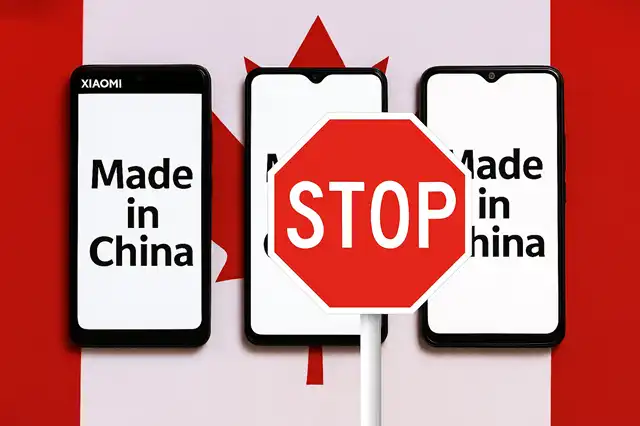
Canadian smartphone users who purchase devices directly from China often encounter an unexpected obstacle: their phones are actively blocked by major carriers like Rogers, Bell, and Telus.
This restriction affects even technically capable devices like the Xiaomi, OPPO, VIVO….. , creating confusion among consumers who assume their phones should work on any compatible network.
The reality reveals a complex intersection of technical certification requirements, regulatory compliance, and broader security policies that specifically target China-market devices.
The Technical Facade: When Carriers Claim “Compatibility Issues”
When customers contact Canadian carriers about blocked Chinese phones, they’re often given explanations about technical incompatibility or network optimization issues. Customer service representatives may cite:
Network Band Limitations: Claims that Chinese phones don’t support the right frequency bands for optimal Canadian network performance.
Software Integration Problems: Assertions that China-market firmware doesn’t properly integrate with Canadian carrier systems.
Quality Assurance Standards: References to internal certification processes that China-purchased devices haven’t undergone.
However, these technical explanations often serve as convenient cover stories for more complex underlying policies. These Chinese Phones illustrate this perfectly – while the device supports multiple LTE and 5G bands and could theoretically function on Canadian networks, Rogers actively blocks it based on its China market origin rather than genuine technical limitations.
The Certification Divide: China vs. Global Market Variants
The fundamental issue lies in how smartphone manufacturers create different variants for different markets:
China Market Models: Smartphones sold in China are specifically configured for the Chinese market, with:
- China-specific firmware and ROM
- Different regulatory certifications (CCC instead of IC/FCC)
- Optimized settings for Chinese carriers
- Different IMEI ranges and model identifiers
Global/International Models: The same hardware, but configured for international markets with:
- Global ROM with broader language and regional support
- International certifications (IC for Canada, FCC for US, CE for Europe)
- Multi-carrier optimization
- Different IMEI ranges registered with international databases
The Crucial Difference: Even when the underlying hardware is identical, carriers treat these variants as completely different devices for certification and approval purposes.
How Canadian Carriers Block China-Purchased Phones
The blocking mechanism is sophisticated and deliberate:
IMEI Database Screening: When a phone connects to a Canadian network, the carrier’s system checks the device’s IMEI (International Mobile Equipment Identity) against approved device databases. China-market IMEIs are flagged and rejected.
Model-Specific Blacklists: Carriers maintain lists of prohibited device models, often including entire ranges of China-market smartphones regardless of their technical capabilities.
Automatic Network Rejection: The system doesn’t evaluate technical compatibility – it simply blocks based on device origin and certification status.
Real-World Example: These carriers actively blocks the China-purchased Phones, with customer service confirming this is a deliberate restriction rather than a technical incompatibility issue.
The Regulatory Framework: Why Carriers Block China Phones
Industry Canada (IC) Certification Requirements: All wireless devices sold or used in Canada must have IC certification. China-market phones typically only have Chinese regulatory approval (CCC certification), not the IC certification required for Canadian use.
Carrier Liability Concerns: Canadian carriers can face regulatory penalties for allowing uncertified devices on their networks. Blocking China-market phones protects them from potential compliance violations.
Quality Assurance Protocols: Carriers establish internal certification processes that require devices to meet specific technical and software standards. China variants often haven’t undergone these carrier-specific evaluations.
The Security Dimension: Beyond Technical Compliance
The blocking of China-purchased phones also reflects broader security and policy considerations:
Government Security Policies: Canada’s ban on Huawei and ZTE infrastructure equipment has created a climate where Chinese technology faces increased scrutiny. While this primarily targets network equipment, the cautious approach extends to consumer devices.
Supply Chain Security: Security agencies express concerns about devices that haven’t gone through Western certification processes, viewing them as potential security risks regardless of their actual capabilities.
Five Eyes Alliance Coordination: Canada’s telecommunications policies often align with its Five Eyes intelligence partners (US, UK, Australia, New Zealand), creating informal coordination on Chinese technology restrictions.
The Broader Market Impact
Consumer Choice Limitation: Canadian consumers lose access to innovative and often more affordable Chinese smartphones, reducing market competition and choice.
Price Impact: Limited competition from Chinese brands may contribute to higher smartphone prices in the Canadian market.
Technology Access: Consumers miss out on cutting-edge features and specifications often available first in Chinese market devices.
Market Fragmentation: The restrictions contribute to the fragmentation of global smartphone markets along geopolitical lines.
What This Means for Consumers
Before Purchasing from China:
- Understand that your device may be blocked by Canadian carriers
- Research whether global variants are available
- Consider the total cost including potential connectivity limitations
If You Already Own a China-Purchased Phone:
- Try different carriers (Bell, Telus, smaller MVNOs) as policies may vary
- Consider flashing global ROM if technically feasible (risks involved)
- Accept limitations and use primarily for Wi-Fi-based functions
- Plan for eventual replacement with a Canadian-market device
Alternative Solutions:
- Purchase global or international variants of Chinese phones
- Buy from authorized Canadian retailers when available
- Consider other Asian brands with better Canadian market support
The Future Outlook
The trend toward blocking China-purchased phones is likely to continue and potentially expand:
Increasing Scrutiny: Growing geopolitical tensions may lead to stricter enforcement of certification requirements and broader device restrictions.
Regulatory Evolution: Canadian telecommunications regulations may become more explicit about device origin and certification requirements.
Industry Standardization: Carriers may coordinate more closely on device approval policies, making it harder to find alternatives.
Conclusion
The blocking of China-purchased smartphones in Canada represents a multifaceted policy that combines legitimate regulatory compliance with broader security and political considerations. While carriers often cite technical reasons for these restrictions, the evidence clearly shows that device origin and certification status are the primary determining factors rather than actual technical compatibility.
For Canadian consumers, this means that purchasing smartphones directly from China comes with significant connectivity risks that extend beyond simple network compatibility. The real case demonstrates how even technically capable devices face active blocking based on their market origin rather than their actual capabilities.
As geopolitical tensions continue to influence technology policies, consumers must navigate an increasingly complex landscape where technical capability, regulatory compliance, and political considerations intersect in ways that directly impact their device choices and connectivity options. Understanding these dynamics is essential for making informed decisions about smartphone purchases and managing expectations about device functionality in the Canadian market.
The message is clear: when it comes to smartphones in Canada, where you buy matters as much as what you buy.