Why Is EU Forcing Apple to Make iPhone Batteries User-Replaceable by 2027?
Why Is EU Forcing Apple to Make iPhone Batteries User-Replaceable by 2027?
- Why Enterprise RAID Rebuilding Succeeds Where Consumer Arrays Fail?
- Linus Torvalds Rejects MMC Subsystem Updates for Linux 7.0: “Complete Garbage”
- The Man Who Maintained Sudo for 30 Years Now Struggles to Fund the Work That Powers Millions of Servers
- How Close Are Quantum Computers to Breaking RSA-2048?
- Why Windows 10 Users Are Flocking to Zorin OS 18 Instead of Linux Mint?
- How to Prevent Ransomware Infection Risks?
- What is the best alternative to Microsoft Office?
Why Is EU Forcing Apple to Make iPhone Batteries User-Replaceable by 2027?
Apple Faces EU Mandate: User-Replaceable iPhone Batteries by 2027
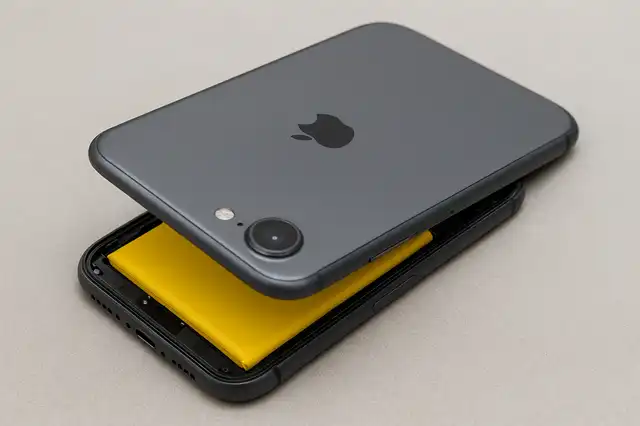
The European Union has set the stage for a significant shift in smartphone design, requiring Apple and other manufacturers to enable consumers to easily replace their device batteries by 2027.
This mandate, part of the EU’s broader push for sustainability and consumer rights, could fundamentally alter how iPhones are built and serviced.
Why the EU Is Demanding Change
The EU’s requirement stems from new battery regulations adopted in 2023, which aim to make portable batteries in consumer electronics “readily removable and replaceable” by end-users. The rationale behind this policy is multifaceted:
Environmental Sustainability: By making batteries easier to replace, the EU hopes to extend device lifespans and reduce electronic waste. Currently, many consumers discard perfectly functional phones simply because battery degradation makes them impractical to use. If users could swap batteries as easily as they once did with older phone models, devices could remain in service for years longer.
Consumer Rights and Repair: The legislation aligns with the EU’s broader “Right to Repair” movement, which seeks to empower consumers to maintain and fix their own devices rather than being forced into expensive manufacturer repair programs or premature replacements. This also challenges the growing trend of devices designed to be difficult or impossible for users to service independently.
Economic Considerations: Easier battery replacement could save consumers money by avoiding the need for professional battery services or new device purchases. It also supports independent repair shops and creates a more competitive repair market.
The EU has been particularly assertive in regulating tech giants, and this battery mandate follows other significant interventions, including requiring universal USB-C charging ports and mandating interoperability for messaging platforms.
Apple’s Response: Resistance and Reluctant Adaptation
Apple’s reaction to the EU’s battery replacement mandate has been characteristically guarded, reflecting the company’s long-standing design philosophy that prioritizes integration and sleekness over user serviceability.
Design Philosophy Concerns: Apple has historically defended its approach of sealing devices with adhesive and integrating components tightly. The company argues this allows for thinner, more water-resistant designs with better structural integrity. Apple’s current iPhones feature batteries that are glued in place and require specialized tools and knowledge to replace safely, which Apple contends is necessary for device quality and safety.
Safety Arguments: Apple has emphasized potential safety risks of user battery replacement, noting that lithium-ion batteries can be dangerous if punctured or improperly handled. The company has suggested that requiring easy user replacement could compromise safety features designed to protect both users and the device.
Compliance Strategy: While Apple hasn’t publicly embraced the regulation, the company will likely need to comply with EU requirements to continue selling iPhones in one of its largest markets. This could mean:
- Redesigning iPhone internals to accommodate removable batteries
- Creating new fastening mechanisms replacing adhesive bonds
- Potentially accepting thicker device profiles or reduced water resistance ratings
- Developing user-friendly battery replacement procedures and documentation
Regional Variations: Apple may choose to create EU-specific iPhone models with user-replaceable batteries while maintaining its current design for other markets. However, this would add manufacturing complexity and costs, making a global design change more practical.
What This Means for Consumers
The 2027 deadline gives Apple roughly two years to redesign its flagship product fundamentally. For consumers, this could mean:
- Longer device lifespans: Easy battery replacement could extend iPhone usability by several years
- Lower long-term costs: DIY battery replacement would be significantly cheaper than Apple’s current battery service
- Potential design trade-offs: iPhones might become slightly thicker or lose some premium feel
- Greater repair autonomy: Users gain more control over device maintenance
The EU’s mandate represents a pivotal moment in the ongoing tension between manufacturer control and consumer rights in the tech industry. Whether Apple’s response will be innovative adaptation or minimal compliance remains to be seen, but the regulation ensures that by 2027, iPhone users in Europe will have fundamentally more control over their devices’ longevity.
Why iPhone Still Keeps Running Even Shutdown?