Why Tesla Still Prefers Ternary Lithium-Ion Batteries Over Solid-State Technology
Why Tesla Still Prefers Ternary Lithium-Ion Batteries Over Solid-State Technology
- Why Enterprise RAID Rebuilding Succeeds Where Consumer Arrays Fail?
- Linus Torvalds Rejects MMC Subsystem Updates for Linux 7.0: “Complete Garbage”
- The Man Who Maintained Sudo for 30 Years Now Struggles to Fund the Work That Powers Millions of Servers
- How Close Are Quantum Computers to Breaking RSA-2048?
- Why Windows 10 Users Are Flocking to Zorin OS 18 Instead of Linux Mint?
- How to Prevent Ransomware Infection Risks?
- What is the best alternative to Microsoft Office?
Why Tesla Still Prefers Ternary Lithium-Ion Batteries Over Solid-State Technology
Despite promising future plans, Tesla continues to rely on proven battery technology for its electric vehicles
While solid-state batteries represent the holy grail of electric vehicle technology, Tesla remains firmly committed to its current ternary lithium-ion battery strategy.
This decision reflects both practical realities and technical challenges that continue to make conventional batteries the more viable option for mass production.
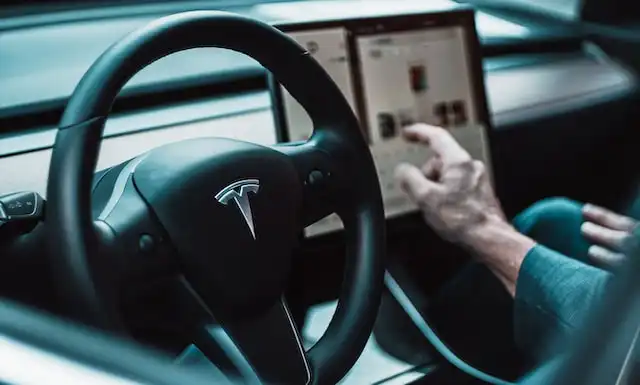
The Current Battery Landscape
Tesla currently utilizes 4680 lithium-ion batteries across its vehicle lineup, with energy densities ranging from 244 to 296 Wh/kg.
These batteries have proven themselves reliable, scalable, and cost-effective—critical factors for a manufacturer producing vehicles at Tesla’s volume.
The technology is mature, with established supply chains and manufacturing processes that can deliver consistent quality at competitive prices.
Ambitious Solid-State Plans Meet Technical Reality
Tesla has invested heavily in solid-state battery development, committing €2 billion to build a solid-state battery production line at its Berlin facility. The company’s solid-state batteries, utilizing dry electrode technology, promise impressive specifications: theoretical energy densities of 500 Wh/kg and cycle lives exceeding 4,000 charges. Trial production is scheduled to begin in the third quarter of 2025, with the Model 2 slated as the first vehicle to feature this technology.
However, the gap between laboratory promise and production reality remains substantial. Solid-state batteries continue to face significant technical hurdles, particularly regarding interface stability—a critical factor affecting battery performance and longevity. These challenges have pushed realistic mass production timelines to approximately 2030, roughly five years beyond initial trial production.
The Supplier Perspective
Tesla’s primary battery suppliers have adopted a notably cautious stance toward solid-state technology for electric vehicles. Their concerns center on two fundamental issues: prohibitively high costs and substantial mass production difficulties. This conservative approach from industry partners reinforces Tesla’s decision to maintain its current battery strategy while continuing research and development efforts.
The suppliers’ hesitation reflects broader industry skepticism about solid-state batteries’ near-term commercial viability. While the technology holds tremendous promise, translating laboratory breakthroughs into products that can be manufactured at automotive scale and reasonable cost remains an unsolved challenge.
A Pragmatic Approach to Innovation
Tesla’s strategy demonstrates a balanced approach to battery technology: maintaining proven systems for current production while investing in next-generation solutions. The company’s €2 billion investment in solid-state infrastructure shows commitment to the technology’s future, even as practical considerations dictate continued reliance on lithium-ion batteries.
This dual-track approach allows Tesla to meet today’s production demands without sacrificing tomorrow’s competitive advantages. As solid-state technology matures and manufacturing processes improve, Tesla will be positioned to transition—but only when the technology can deliver reliable performance at scale.
Looking Ahead
The timeline for widespread solid-state battery adoption extends well into the next decade, making ternary lithium-ion batteries the practical choice for Tesla’s immediate and medium-term production needs. While the 2025 trial production represents an important milestone, the path from pilot manufacturing to full-scale deployment typically requires years of refinement and optimization.
For now, Tesla’s preference for ternary lithium-ion batteries reflects sound business judgment: deliver reliable, proven technology to customers today while methodically developing the transformative solutions of tomorrow. The transition to solid-state batteries will come—but only when the technology is truly ready for prime time.
Will Solid-State Batteries Replace Current Lithium-Ion Technology in Electric Vehicles?
Toyota Accelerates Solid-State Battery Development: All-Solid-State EVs Targeted for 2027-2028