Why Users Prefer Windows 10 Over Windows 11?
Why Users Prefer Windows 10 Over Windows 11: A Performance and Usability Analysis
- Why Enterprise RAID Rebuilding Succeeds Where Consumer Arrays Fail?
- Linus Torvalds Rejects MMC Subsystem Updates for Linux 7.0: “Complete Garbage”
- The Man Who Maintained Sudo for 30 Years Now Struggles to Fund the Work That Powers Millions of Servers
- How Close Are Quantum Computers to Breaking RSA-2048?
- Why Windows 10 Users Are Flocking to Zorin OS 18 Instead of Linux Mint?
- How to Prevent Ransomware Infection Risks?
- What is the best alternative to Microsoft Office?
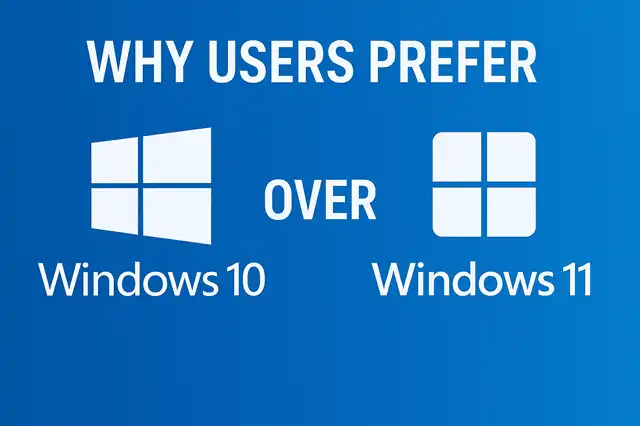
Why Users Prefer Windows 10 Over Windows 11: A Performance and Usability Analysis
As Windows 10 approaches its end-of-support date on October 14, 2025, many users are reconsidering whether to upgrade to Windows 11 or extend their Windows 10 experience.
Despite Microsoft’s push toward its newer operating system, a significant portion of users continues to favor Windows 10.
This preference isn’t merely nostalgia—it’s rooted in practical performance advantages and usability considerations that make Windows 10the superior choice for many computing needs.
The Legacy of Success: Understanding Windows 10’s Dominance
To understand why Windows 10 remains preferred, we must first recognize its remarkable success story. Windows 10 emerged from the catastrophic failure of Windows 8 and 8.1, which had alienated users with their touch-centric interface and removal of the iconic Start Menu. Windows 10 represented a return to form—combining modern innovations with the familiar desktop experience users actually wanted.
The operating system achieved extraordinary adoption rates, with 14 million upgrades in the first 24 hours and 75 million within four weeks of launch. This success was largely driven by Microsoft’s unprecedented free upgrade strategy for Windows 7 and 8.1 users, but the sustained popularity over a decade speaks to genuine user satisfaction with the platform.
Lower Hardware Requirements: Accessibility for All
One of Windows 10’s most significant advantages over Windows 11 is its substantially lower hardware requirements. Windows 11 requires a 64-bit CPU with at least 2 cores, 4GB of RAM, and 64GB of storage—considerably higher specifications than its predecessor. More controversially, Windows 11 mandates TPM 2.0 (Trusted Platform Module) and specific CPU generations, effectively excluding millions of otherwise capable computers.
Windows 10, by contrast, can run efficiently on older hardware with minimal requirements: a 1 GHz processor, 1GB RAM (32-bit) or 2GB RAM (64-bit), and just 16GB of storage space. This accessibility means users can continue using their existing computers without forced hardware upgrades, saving money and reducing electronic waste.
For businesses managing large fleets of computers, this difference translates to millions of dollars in potential hardware replacement costs. Many enterprises have chosen to remain on Windows 10 not because they’re resistant to change, but because the financial and logistical burden of hardware upgrades cannot be justified when their current systems perform adequately.
Superior Performance on Moderate Hardware
Beyond minimum requirements, Windows 10 demonstrably performs better on mid-range and older hardware. The operating system has been optimized over ten years of updates to run efficiently on a wide variety of systems. Users with computers from 2015-2019 frequently report that Windows 10 runs smoother, with faster boot times and more responsive application performance compared to Windows 11 on identical hardware.
This performance advantage manifests in several ways:
Reduced Resource Consumption: Windows 10 generally uses less RAM and CPU resources during idle and light workloads, leaving more system resources available for applications. Users with 8GB of RAM—still common in many systems—find Windows 10 provides better multitasking performance without the system slowing down.
Gaming Performance: Gamers have reported mixed results with Windows 11, with some experiencing lower frame rates compared to Windows 10 on the same hardware, particularly on older gaming systems. While Windows 11 includes gaming-focused features like DirectStorage and Auto HDR, these benefits require modern hardware to realize any advantage, and can sometimes introduce overhead on older systems.
Faster Boot and Shutdown Times: Many users report that Windows 10 boots faster and shuts down more quickly than Windows 11, particularly on systems with traditional hard drives rather than SSDs.
A More Refined and Stable User Interface
Windows 10’s interface represents a mature, refined experience that has been polished through years of updates and user feedback. The Start Menu, taskbar, and overall navigation have been optimized for productivity, particularly with keyboard and mouse—the tools most desktop users still prefer.
Windows 11, while visually modern, made controversial interface changes that many users find less functional:
Centered Taskbar: The centered taskbar icons and Start button can be repositioned, but this default change disrupted decades of muscle memory for users accustomed to the left-aligned layout. While seemingly minor, this affects productivity for users who’ve internalized the Windows workflow.
Right-Click Context Menus: Windows 11 introduced simplified context menus that hide advanced options behind an additional click. What Microsoft intended as decluttering, many power users experience as an unnecessary additional step in common workflows.
Taskbar Functionality: Windows 11’s taskbar lost several features that Windows 10 users rely on, including the ability to resize it, drag files to taskbar icons, or position it vertically on the screen edges. These removals frustrated users who had customized their workflow around these capabilities.
File Explorer Changes: While Windows 11’s File Explorer includes some improvements, the redesigned interface and relocated options require relearning navigation patterns that were already intuitive in Windows 10.
Enterprise Compatibility and Management Tools
Windows 10’s success in the enterprise market was built on exceptional backward compatibility with legacy applications and robust management features like Current Branch for Business (CBB) and Long Term Servicing Branch (LTSB), which allowed IT administrators to control update timing according to their organization’s needs.
This enterprise-friendly approach means that Windows 10 supports a vast ecosystem of business-critical software, including older applications that may not function properly or at all on Windows 11. For organizations with custom software developed years ago, Windows 10 provides the compatibility layer necessary to continue operations without expensive software redevelopment.
Additionally, many enterprise management tools and security solutions were designed and optimized for Windows 10. While these tools are being updated for Windows 11, the mature ecosystem around Windows 10 represents years of refinement, bug fixes, and optimization that Windows 11 is still developing.
Predictable Update Behavior
Windows 10 implemented the “Windows as a Service” (WaaS) model, providing continuous updates and improvements. Over its decade-long life, Microsoft refined this update system to be more reliable and less disruptive. Users have learned to trust Windows 10’s update behavior—they know roughly when updates arrive, how long they take, and what to expect.
Windows 11, being newer, has experienced more update-related issues, including bugs that have affected performance, caused compatibility problems, or introduced unexpected behavior. While this is natural for any new operating system, it makes Windows 10 the more predictable and stable choice for users who prioritize reliability over having the latest features.
The Bottom Line: Stability Over Novelty
Windows 10’s advantages over Windows 11 ultimately come down to maturity, compatibility, and performance efficiency. It represents a operating system that has been refined over ten years to work well across an enormous range of hardware, support virtually all software users need, and provide a familiar, productive interface.
While Windows 11 offers a fresh visual design and some modern features, these benefits don’t outweigh Windows 10’s practical advantages for many users—particularly those with older hardware, those who prioritize stability and performance, and enterprises with complex IT environments.
For users unable or unwilling to upgrade to Windows 11, Microsoft offers Extended Security Updates (ESU), providing continued security patches beyond the October 2025 support end date, though without new features or technical support. This option recognizes that Windows 10 remains valuable and viable for millions of users who have good reasons to continue using it.
As the Windows 10 era draws to a close, it’s worth recognizing that user preference for this operating system isn’t about resistance to change—it’s about recognizing genuine value in a mature, efficient, and highly compatible platform that simply works better for many use cases than its successor.