Windows 10 Support Nears Its End with Only Two Years Remaining
Windows 10 Support Nears Its End with Only Two Years Remaining
- Why Enterprise RAID Rebuilding Succeeds Where Consumer Arrays Fail?
- Linus Torvalds Rejects MMC Subsystem Updates for Linux 7.0: “Complete Garbage”
- The Man Who Maintained Sudo for 30 Years Now Struggles to Fund the Work That Powers Millions of Servers
- How Close Are Quantum Computers to Breaking RSA-2048?
- Why Windows 10 Users Are Flocking to Zorin OS 18 Instead of Linux Mint?
- How to Prevent Ransomware Infection Risks?
- What is the best alternative to Microsoft Office?
Windows 10 Support Nears Its End with Only Two Years Remaining
Windows 10’s support will come to an end on October 14, 2025, giving users precisely two years to upgrade their hardware and transition to Windows 11.
Exactly two years from today (730 days from now), Microsoft will release its final security updates for Windows 10 Home and Professional editions.
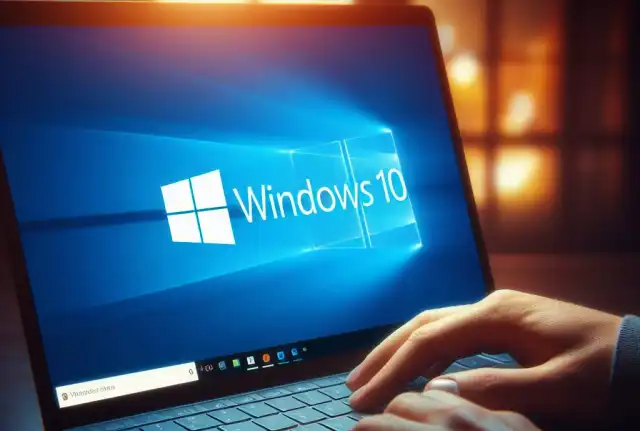
This means Windows 10 will join Windows 7 in the annals of Microsoft’s desktop platform history, but as mentioned, you have a two-year window to make the change.
Microsoft has approximately two years left to migrate its billion users to Windows 11 or Windows 12. According to Statcounter, Windows 11 is currently installed on roughly 23% of personal computers worldwide, while Windows 10 still holds a 71% share. This is a significant gap, especially when you consider Microsoft’s plan to end support for the latter in two years.
The October 2023 StatCounter data reveals that Windows 10 continues to hold the largest market share, with approximately 70.88% of the desktop market. On the other hand, Windows 11 is the second most popular version, with a market share of 24.89%. Windows 7, despite its age, still maintains around 2.9% of the market share.
Windows 8.1: This version accounts for about 0.57% of the market share.
Windows 8: Slightly less popular than 8.1, it holds around 0.34% of the market share.
Windows XP: An even older version than Windows 7, it has a market share of about 0.3%.
Other: This category holds a market share of 0.12%, likely encompassing different or less common versions of Windows not specified in the main types.
Steam Hardware Survey further confirms that Windows 10 is more popular than Windows 11, but the transition rate remains sluggish:
- Windows 10: The most favored version among Steam users at 57.97%.
- Windows 11: The next most popular version, with an adoption rate of 37.43%.
- Windows 7 (64-bit): An older version still in use, with a 1.23% adoption rate.
- Windows 8.1: Holds 0.18% of the market.
- Windows 7 (32-bit): Holds a 0.06% market share.
So, what happens to PCs running Windows 10 in 2025 and beyond? The good news is that you can continue using the operating system, much like how Windows 7 is still used today.
Windows is not a subscription-based operating system, and it will continue to operate. Of course, like Windows 7, Microsoft and some third-party companies will offer paid support for Windows 10.
Users will not be forced to switch to Windows 11. In fact, many people still run Windows 7, 8, or even XP on their computers without ever upgrading to Windows 10.
Microsoft has confirmed that Windows 11 can still be upgraded for free on eligible Windows 10 PCs, and this free upgrade offer will remain in effect until 2025.”