World’s First LPDDR6 Memory Debuts: Samsung Unveils Next-Generation Solution for Android Devices
World’s First LPDDR6 Memory Debuts: Samsung Unveils Next-Generation Solution for Android Devices
- Why Enterprise RAID Rebuilding Succeeds Where Consumer Arrays Fail?
- Linus Torvalds Rejects MMC Subsystem Updates for Linux 7.0: “Complete Garbage”
- The Man Who Maintained Sudo for 30 Years Now Struggles to Fund the Work That Powers Millions of Servers
- How Close Are Quantum Computers to Breaking RSA-2048?
- Why Windows 10 Users Are Flocking to Zorin OS 18 Instead of Linux Mint?
- How to Prevent Ransomware Infection Risks?
- What is the best alternative to Microsoft Office?
World’s First LPDDR6 Memory Debuts: Samsung Unveils Next-Generation Solution for Android Devices
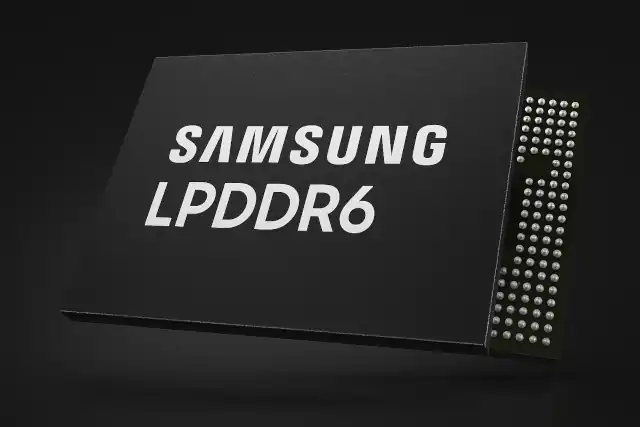
Samsung is set to revolutionize mobile memory technology with the introduction of LPDDR6, the world’s first sixth-generation low-power memory, at CES 2026.
Breaking New Ground in Memory Technology
Samsung has announced it will showcase the world’s first LPDDR6 memory at CES 2026, manufactured using 12nm process technology with speeds reaching up to 10.7Gbps. This represents a significant leap forward from the company’s current flagship LPDDR5X memory, delivering an 11.5% improvement in transfer speeds and approximately 21% better energy efficiency.
Why VPN Security Should Be Every Enterprise’s Top Priority
Key Performance Improvements
The new LPDDR6 standard addresses the growing demands of artificial intelligence, edge computing, and mobile platforms by offering superior speed, efficiency, and security. The memory features expanded input/output (I/O) capabilities to maximize bandwidth, making it ideal for data-intensive mobile applications, edge computing, and AI workload scenarios.
Samsung has integrated several innovative features into LPDDR6:
Enhanced Speed and Bandwidth: Built on advanced 12nm process technology, LPDDR6 delivers peak data transfer rates of 10.7Gbps, with expanded I/O infrastructure to support maximum bandwidth requirements for demanding applications.
Intelligent Power Management: The memory incorporates a dynamic power management system that intelligently adjusts power consumption based on workload demands, achieving roughly 21% better energy efficiency compared to previous generations—a crucial advancement for battery-powered mobile devices.
Advanced Security: New enhanced security mechanisms have been added to ensure data integrity, expanding LPDDR6’s application scenarios from mobile devices to industrial sectors and mission-critical AI environments.
Versatile Architecture: The memory features scalable cross-platform architecture and environmentally conscious design, striking an optimal balance between performance, energy conservation, and reliability.
Anatomy of a Ransomware Attack: The Askul and Asahi Cyber Incidents In Japan
Commercial Timeline and Impact
According to industry observers, Android manufacturers are expected to begin commercial deployment of LPDDR6 memory next year. This adoption is anticipated to bring transformative improvements to user experiences, including seamless multitasking with no perceptible delays, real-time 8K video preview and analysis capabilities, and smooth execution of complex AI tasks.
Samsung has not yet disclosed specific capacity configurations for LPDDR6, with complete specifications expected to be revealed during the CES 2026 exhibition.
AMD Confirms 2nm Zen6 Processors Coming in 2026 But Desktop Users Will Have to Wait
Market Implications
The introduction of LPDDR6 comes at a critical time as mobile devices increasingly handle sophisticated AI processing, high-resolution content creation, and demanding computational workloads. The memory’s combination of higher bandwidth, improved efficiency, and enhanced security positions it as a foundational component for next-generation smartphones, tablets, and edge computing devices.
As the mobile industry continues its rapid evolution toward more capable AI-powered devices, LPDDR6 represents Samsung’s strategic response to meeting the escalating performance and efficiency requirements of modern computing platforms. The technology’s scalability also suggests potential applications beyond consumer electronics, extending into industrial automation and enterprise AI solutions.
With commercial availability expected in 2026, LPDDR6 is poised to become the new standard for high-performance mobile memory, potentially widening the performance gap between flagship devices and mid-range alternatives while enabling entirely new categories of mobile applications.