March 7, 2026

PBX Science

VoIP & PBX, Networking, DIY, Computers.

Baidu Orders AI Chips from Huawei to Replace U.S. Products

Baidu Orders AI Chips from Huawei to Replace U.S. Products


Baidu Orders AI Chips from Huawei to Replace U.S. Products

Two informed sources told Reuters that Chinese tech company Baidu has placed an order for artificial intelligence chips from Huawei this year, further indicating that U.S. export restrictions are pushing Chinese companies to embrace Huawei’s products as an alternative to Nvidia products.

NVIDIA May Be Forced to Cancel $5 Billion Chinese Order


Baidu, one of China’s leading artificial intelligence companies operating its own LLM (Large Language Model), reportedly placed the order in August, which was earlier than the widely expected tightening of chip export restrictions by the U.S. government in October.
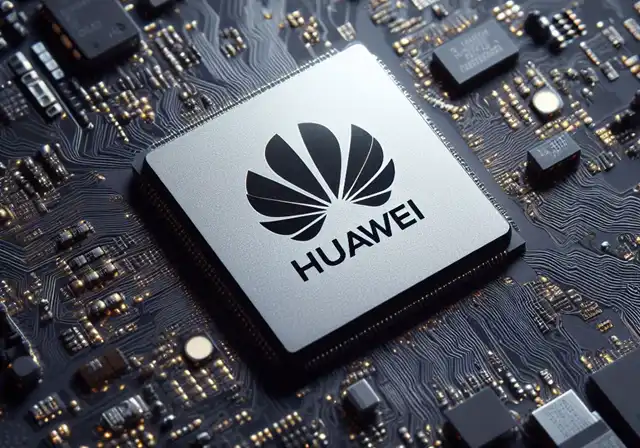
 

Baidu Orders AI Chips from Huawei to Replace U.S. Products


According to insiders, Baidu ordered 1,600 Huawei 910B Ascend AI chips for 200 servers. These chips are developed by Huawei and serve as an alternative to Nvidia’s A100 chips. By October, Huawei had delivered over 60% of the order, which translates to approximately 1,000 chips.

The second source stated that the total value of this order is approximately 450 million Chinese yuan, and Huawei is set to deliver all the chips by the end of this year. While the order size is relatively small compared to the thousands of chips Baidu has previously ordered from Nvidia, insiders claim its significance lies in the indication that some companies may be shifting away from procuring from U.S. firms.

Despite Huawei’s Ascend chips still being considered significantly less powerful in terms of performance compared to Nvidia’s chips, the first source mentioned that they represent China’s most advanced domestically produced chips. Baidu’s order of 910B chips is a move to prepare for a future where it may no longer be possible to purchase from Nvidia.

After the U.S. banned Nvidia from selling A100 and H100 chips to China last year, the company released new A800 and H800 chips as alternatives for Chinese customers, including Baidu. However, due to the regulations in October, Nvidia can no longer sell these chips to China.



How about Huawei chips?

Huawei is a Chinese multinational technology company known for its wide range of products and services, including telecommunications equipment, smartphones, and, relevant to your question, semiconductor chips.

Huawei has developed its own line of chips, which are used in various applications, from smartphones and networking equipment to artificial intelligence and data center hardware.

Some key Huawei chips and chip-related technologies include:

  1. HiSilicon Kirin Processors: Huawei’s Kirin series of processors are used in their smartphones and tablets. These chips are designed for a variety of tasks, including general processing, graphics rendering, and AI capabilities. Huawei has made significant advancements in mobile chip technology, competing with industry giants like Qualcomm and Apple.

  2. Ascend AI Chips: Huawei’s Ascend series includes AI (artificial intelligence) chips designed for machine learning and deep learning tasks. These chips are used in various AI applications, including autonomous vehicles, robotics, and data centers. The Ascend chips offer impressive AI computing power and energy efficiency.

  3. Balong Modems: Huawei’s Balong series includes 4G and 5G modems used in their smartphones and network infrastructure equipment. These modems provide high-speed mobile data connectivity and are crucial for Huawei’s 5G network offerings.

  4. Kunpeng Processors: Huawei’s Kunpeng processors are designed for data center servers and enterprise-level computing. They use ARM architecture and are suitable for a wide range of server applications, including cloud computing, database management, and virtualization.

  5. Kirin ISP (Image Signal Processor): Huawei’s Image Signal Processors are a key component in their smartphone processors, ensuring high-quality image and video capture capabilities. They play a crucial role in the camera systems of Huawei’s devices.

  6. Memory and Storage Solutions: Huawei also offers memory and storage solutions for data centers and enterprise-level applications. These include SSDs (Solid State Drives) and other storage technologies.

  7. TaiShan Server Chips: Huawei’s TaiShan series of server chips are designed for data center infrastructure, offering powerful processing capabilities to handle complex computing tasks.


It’s important to note that, as of my last knowledge update in January 2022, Huawei was facing significant challenges in its semiconductor business due to U.S. export restrictions and sanctions.

These measures have limited Huawei’s access to advanced chip manufacturing technologies and components from U.S. suppliers, impacting their ability to design and produce cutting-edge chips.

It’s advisable to check the most recent developments regarding Huawei’s chip-related activities and any changes in their capabilities since then.

Baidu Orders AI Chips from Huawei to Replace U.S. Products


Windows Software Alternatives in Linux


Disclaimer of pbxscience.com

PBXscience.com © All Copyrights Reserved. | Newsphere by AF themes.