AMD Threadripper PRO 7995WX: Linux Dominance Over Windows by 20%.
AMD’s 96-Core Threadripper Dominates Linux Performance, Outpacing Windows by Up to 20%.
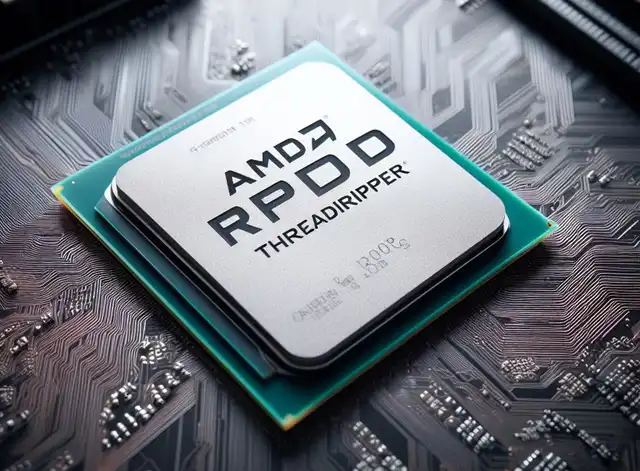
The AMD Threadripper 7980X has long held the title of the most powerful consumer-grade processor in history, but it seems there’s no ceiling as AMD introduces the Threadripper PRO 7995WX, specifically designed for workstations.
Boasting an impressive 96 cores, 32 threads, 384MB of L3 cache, eight-channel DDR5, and 128 PCIe 5.0 lanes, this powerhouse can also be utilized on TRX50 desktop motherboards.
In recent comparisons by Phoronix, a platform specializing in Linux system analysis, the Threadripper PRO 7995WX system was tested for performance differences between Linux and Windows, yielding some surprising results.
The test configuration included an HP Z6 G5 workstation with 128GB DDR5-5200 RIDM, Samsung SSD, and an RTX A4000 graphics card. The operating systems under scrutiny were Ubuntu 23.10 and Windows 11 Pro 23H2.
A wide range of tests was conducted, including LuxCore, Intel Embree, OSPRay, Geekbench, Blender, and video editing applications, all of which demand high CPU performance.
The comprehensive results showed that the performance on Linux was consistently higher than Windows, averaging an impressive 19.5% increase. Notably, in projects such as ASTC, asmFish, OSPRay, LuxCoreRender 2.6, and AV1 encoding, Linux demonstrated a lead exceeding 100%.
While Windows managed to lead in a handful of projects like LuxCoreRender 2.6, Geekbench 5, and Kvazaar (H.265 open-source encoder), the margins were relatively small, ranging from 3.2% to 14%.
Evidently, when it comes to leveraging an abundance of cores, Linux maintains a substantial lead.
What are advantages of running Linux OS over than Microsoft Windows?
Running Linux over Microsoft Windows offers several advantages, and the suitability of each operating system depends on individual needs.
Here are some advantages of using Linux:
Open Source and Free: Linux is open-source, meaning its source code is freely available to the public. Most Linux distributions can be downloaded and used at no cost, providing a cost-effective alternative to Windows.
Security: Linux is known for its robust security features. The user privilege system, regular security updates, and the ability to customize security settings make it less susceptible to malware and viruses compared to Windows.
Stability and Reliability: Linux systems are known for their stability and reliability. They often require fewer system reboots, even after updates or changes to the system configuration.
Performance: Linux is designed to be efficient and can run well on older or less powerful hardware. It allows for better system resource management, making it a preferred choice for servers and embedded systems.
Customization and Flexibility: Linux provides users with a high degree of customization. Users can choose from various desktop environments, window managers, and themes, tailoring the system to their preferences.
Command Line Interface (CLI): While this might be considered a disadvantage for some users, the powerful command-line interface in Linux allows for precise control and automation. Experienced users can perform tasks quickly and efficiently through the terminal.
Community Support: Linux has a large and active community of users and developers. This community support is valuable for finding solutions to problems, getting advice, and staying updated on the latest developments.
Developer-Friendly: Linux is the preferred operating system for many developers. It comes with a wide range of programming and development tools, making it an excellent choice for software development.
Variety of Distributions: Linux is available in many different distributions, or “distros,” each catering to specific needs and preferences. Users can choose a distro that aligns with their requirements, whether it’s a lightweight system for older hardware or a feature-rich desktop environment.
Multitasking and Multithreading: Linux handles multitasking and multithreading efficiently, providing a stable and responsive environment even under heavy workloads.
While Linux has these advantages, it’s essential to recognize that Windows also has its strengths, particularly in terms of software compatibility for mainstream applications and a user-friendly interface.
The choice between Linux and Windows often depends on the specific use case and user preferences.
AMD Threadripper PRO 7995WX: Linux Dominance Over Windows by 20%