Apple to Replace Qualcomm with In-House 5G Modem: iPhone 16E Launches First
Apple to Replace Qualcomm with In-House 5G Modem: iPhone 16E Launches First
- 60% of MD5 Password Hashes Can Be Cracked in Under an Hour with a Single GPU
- Dirty Frag: Root Access on Every Major Linux Distribution — No Patch, No Warning
- Ubuntu 26.04 LTS (Resolute Raccoon): The Most Ambitious Ubuntu LTS in a Decade
- Proton Mail: Data Transferred to FBI Again!
- How Close Are Quantum Computers to Breaking RSA-2048?
- How to Prevent Ransomware Infection Risks?
- What is the best alternative to Microsoft Office?
Apple to Replace Qualcomm with In-House 5G Modem: iPhone 16E Launches First
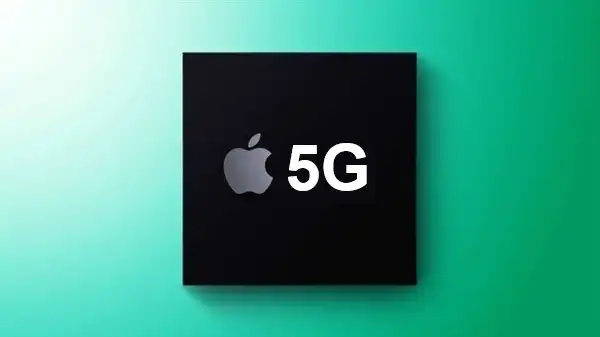
January 1 – Apple’s first self-developed 5G modem will debut this year, initially featured in the iPhone 16E. This marks a significant step forward for Apple in modem technology development.
Reports highlight the critical importance of modem performance and stability for call quality, signal strength, and internet connectivity. To minimize risks, Apple has opted to test its new modem in the cost-effective iPhone 16E, positioning it as a pilot device for the technology.
The strategy involves using a mid-tier device to validate the technology and collect crucial operational data, setting the foundation for eventual deployment in higher-end models.
Mid-Tier Launch: A Cautious Step Forward
Renowned Apple journalist Mark Gurman noted that modem chips are inherently high-risk. Failures can result in issues like dropped calls and missed connections—problems unacceptable in Apple’s premium devices priced above $1,000. Users would not tolerate such disruptions, reinforcing the need for extensive testing before broader implementation.
According to analyst Ming-Chi Kuo, Apple’s 5G modem isn’t limited to the iPhone 16E. The forthcoming iPhone 17 Air, set for release in the second half of this year, is also expected to feature the chip.
Limitations of Apple’s First 5G Modem
Apple’s inaugural 5G modem will not support mmWave (millimeter wave) technology, instead relying on the more widely adopted Sub-6GHz frequency spectrum. The modem supports only four-carrier aggregation, whereas Qualcomm’s solutions accommodate six or more carriers simultaneously.
This development underscores Apple’s growing independence in core hardware technologies, signaling its ambition to phase out reliance on external suppliers like Qualcomm in favor of in-house solutions. However, the transition comes with technical challenges, particularly in matching the advanced capabilities of existing competitors.