WebP vs JPEG, PNG, GIF: Is It Time to Make the Switch?
WebP vs JPEG, PNG, GIF: Is It Time to Make the Switch?
- 60% of MD5 Password Hashes Can Be Cracked in Under an Hour with a Single GPU
- Dirty Frag: Root Access on Every Major Linux Distribution — No Patch, No Warning
- Ubuntu 26.04 LTS (Resolute Raccoon): The Most Ambitious Ubuntu LTS in a Decade
- Proton Mail: Data Transferred to FBI Again!
- How Close Are Quantum Computers to Breaking RSA-2048?
- How to Prevent Ransomware Infection Risks?
- What is the best alternative to Microsoft Office?
WebP vs JPEG, PNG, GIF: Is It Time to Make the Switch?
With the rapid growth of the internet, images have become one of the most essential and visually engaging forms of content.
However, as more images are integrated into websites and applications, system performance often takes a significant hit.
Traditional image formats like JPEG, PNG, and GIF each have their strengths, but also notable drawbacks. The need for a unified, efficient image format gave rise to WebP.
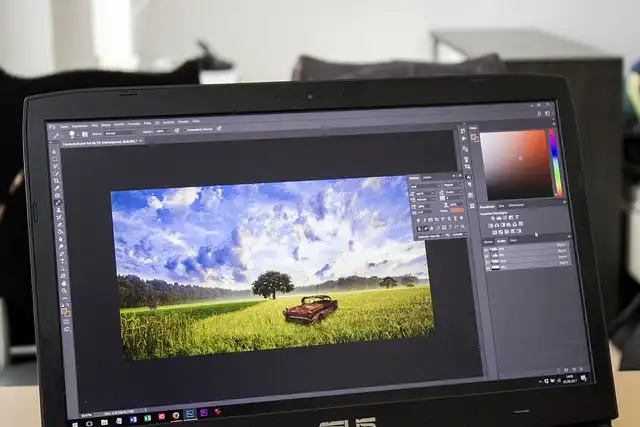
Why WebP Was Needed
WebP was developed to address two major challenges: improving the efficiency of image transmission over the web and overcoming the limitations of existing image formats.
Modern websites increasingly rely on high-resolution images to enhance user experience. Meanwhile, the widespread adoption of smartphones and tablets has accelerated the growth of mobile internet usage, where bandwidth and data limits are often a concern. This has created a pressing need to reduce image file sizes without sacrificing visual quality.
Limitations of Traditional Formats
-
JPEG is excellent for photographs but supports only lossy compression and lacks transparency support.
-
PNG allows for transparency but tends to produce large file sizes.
-
GIF supports animation but has a limited color palette and can also be inefficient in terms of file size.
The Rise of WebP
WebP is an image format developed by Google, specifically designed to offer superior compression performance while maintaining high image quality. It aims to optimize image delivery across the web and improve page loading speeds.
Key Advantages of WebP:
-
Efficient Compression:
WebP uses advanced compression algorithms to achieve higher compression ratios than JPEG, often reducing file size significantly without noticeable loss in quality. This helps accelerate website loading times and reduces bandwidth usage. -
Transparency Support:
Unlike JPEG, WebP supports alpha transparency, making it a strong alternative to PNG in scenarios requiring transparent backgrounds—at a much smaller file size. -
Animation Capabilities:
WebP also supports animated images, positioning it as a modern replacement for GIFs. It offers higher visual quality, a broader color range, and smaller file sizes compared to traditional GIFs. -
Cross-Platform Compatibility:
While initially launched by Google, WebP is now widely supported across major web browsers including Chrome, Firefox, Edge, and Safari. It is also compatible with various operating systems and image processing tools.
How to Use WebP
Online Conversion Tools:
Programmatic Conversion:
Python (using Pillow):
from PIL import Image
im = Image.open(“input.png”)
im.save(“output.webp”, “WEBP”)
Node.js (using Sharp):
const sharp = require(‘sharp’);
sharp(‘input.jpg’)
.webp({ quality: 90 })
.toFile(‘output.webp’)
.then(info => console.log(info));
Limitations of WebP
-
Browser Compatibility:
Although most modern browsers support WebP, some older versions may not. Developers should provide fallback formats like JPEG or PNG when necessary. -
Performance Overhead:
While WebP offers excellent compression, generating WebP images on the fly can strain server resources, especially under high traffic or in real-time rendering scenarios. -
Special Use Cases:
Some websites may still prefer specific formats based on brand identity, design needs, or technical requirements. For example, professional photographers showcasing high-fidelity images might opt for TIFF or high-quality JPEG over WebP.