Why Xiaomi Achieved 120W Charging in 2020 While iPhone 17 Only Reaches 40W in 2025
Why Xiaomi Achieved 120W Charging in 2020 While iPhone 17 Only Reaches 40W in 2025
- 60% of MD5 Password Hashes Can Be Cracked in Under an Hour with a Single GPU
- Dirty Frag: Root Access on Every Major Linux Distribution — No Patch, No Warning
- Ubuntu 26.04 LTS (Resolute Raccoon): The Most Ambitious Ubuntu LTS in a Decade
- Proton Mail: Data Transferred to FBI Again!
- How Close Are Quantum Computers to Breaking RSA-2048?
- How to Prevent Ransomware Infection Risks?
- What is the best alternative to Microsoft Office?
Why Xiaomi Achieved 120W Charging in 2020 While iPhone 17 Only Reaches 40W in 2025.
The mobile technology landscape presents an interesting paradox: while Xiaomi introduced 120W fast charging with the Mi 10 Ultra in August 2020, Apple’s latest iPhone 17 in 2025 maxes out at 40W charging.
This five-year gap raises fundamental questions about different approaches to smartphone charging technology and the priorities that drive engineering decisions.
Advantages and Disadvantages of GaN (Gallium Nitride) Chargers
The Technical Achievement Gap
Xiaomi’s pioneering 120W charging technology in the Mi 10 Ultra was genuinely groundbreaking for its time. The system could charge the phone’s 4,500mAh battery from 0% to 100% in just 23 minutes, with an impressive 41% charge achieved in the first five minutes. This represented a quantum leap in charging speed that established new industry benchmarks.
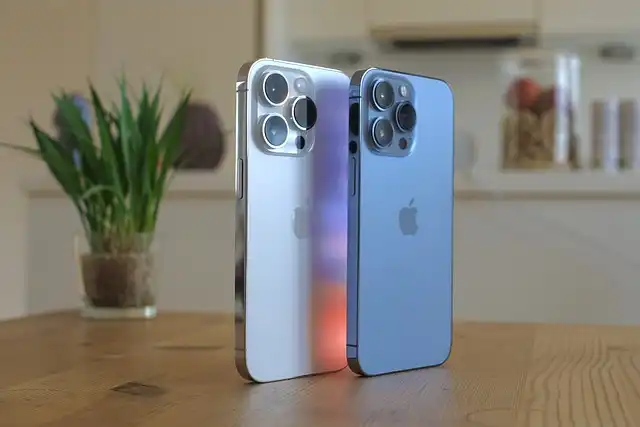
In contrast, Apple’s 2025 iPhone 17 series introduces 40W charging with the new Dynamic Power Adapter, achieving 50% charge in 20 minutes. While this is a significant improvement over previous iPhone generations, it still lags considerably behind what Xiaomi accomplished half a decade earlier.
Different Engineering Philosophies
The charging speed disparity reflects fundamentally different approaches to smartphone engineering and user experience priorities.
Xiaomi’s Aggressive Innovation Strategy Xiaomi has consistently positioned itself as a technology pioneer, willing to push boundaries and implement cutting-edge features ahead of competitors. The company’s approach involves:
- Rapid adoption of emerging technologies
- Willingness to accept higher complexity and potential trade-offs
- Focus on headline-grabbing specifications that differentiate products
- Targeting tech enthusiasts who value peak performance metrics
Apple’s Conservative Optimization Approach Apple’s methodology prioritizes long-term reliability, ecosystem integration, and user experience consistency:
- Extensive testing and validation before implementation
- Focus on optimizing the complete user experience rather than individual specifications
- Emphasis on battery longevity and device lifespan
- Integration with broader ecosystem requirements
Will 120W fast charger damage cellphone batteries?
Technical Challenges and Trade-offs
The implementation of ultra-fast charging involves several technical challenges that different manufacturers address differently.
Heat Management
High-wattage charging generates significant heat, which can degrade battery chemistry and affect device performance. Xiaomi’s 120W solution required sophisticated thermal management systems, including advanced cooling mechanisms and intelligent power distribution. While effective, these systems add complexity and potentially impact long-term reliability.
Apple’s 40W approach generates less heat stress, potentially contributing to better long-term battery health and device stability. The company’s focus on thermal efficiency aligns with its emphasis on device longevity.
Battery Chemistry and Longevity
Ultra-fast charging can accelerate battery degradation through increased chemical stress and heat generation. While Xiaomi implemented various safeguards, the long-term impact on battery lifespan remains a consideration for users who prioritize device longevity over charging speed.
Apple’s more conservative charging speeds may contribute to better battery preservation over the typical device lifecycle, aligning with the company’s focus on long-term user satisfaction.
System Integration Complexity
Implementing 120W charging requires significant modifications to power management systems, thermal design, and safety mechanisms. This complexity can impact other aspects of device design, potentially affecting factors like device thickness, weight distribution, and internal component layout.
Apple’s approach allows for more straightforward system integration while maintaining the tight hardware-software optimization that characterizes the iPhone ecosystem.
Market Positioning and User Expectations
The charging speed difference also reflects distinct market positioning strategies and user base expectations.
Xiaomi’s Specification-Driven Marketing
Xiaomi operates in highly competitive markets where specification comparisons drive purchasing decisions. Offering industry-leading charging speeds provides clear marketing advantages and helps differentiate products in crowded market segments.
Apple’s Experience-Focused Positioning
Apple’s premium positioning allows the company to prioritize overall user experience over individual specifications. iPhone users often value ecosystem integration, software optimization, and long-term device support over peak charging speeds.
Implementation Challenges for Apple
Several factors may explain why Apple has been slower to adopt ultra-fast charging technology:
Ecosystem Integration Requirements
Apple’s charging solutions must integrate seamlessly with existing MagSafe technology, wireless charging standards, and accessory ecosystems. This integration requirement may constrain the adoption of radically different charging approaches.
Quality and Reliability Standards
Apple’s reputation depends heavily on device reliability and user satisfaction. The company likely conducts extensive long-term testing before implementing new technologies, which may delay adoption of cutting-edge features.
Manufacturing Scale Considerations
Apple’s massive production volumes require charging solutions that can be manufactured consistently at global scale. This requirement may favor more mature, proven technologies over newer, potentially less reliable alternatives.
Future Implications
The charging speed gap highlights broader questions about technology adoption patterns and user priorities. While Xiaomi demonstrated that 120W charging was technically feasible in 2020, Apple’s more gradual approach may ultimately prove more sustainable for mainstream users.
As battery technology continues evolving and charging infrastructure improves, the gap between different manufacturers’ approaches may narrow. However, the fundamental philosophical differences between aggressive innovation and conservative optimization will likely persist.
Conclusion
The five-year gap between Xiaomi’s 120W charging achievement and Apple’s 40W implementation reflects deeper differences in engineering philosophy, market strategy, and user base priorities rather than pure technical capability. Xiaomi’s pioneering approach pushed industry boundaries and established new performance benchmarks, while Apple’s measured implementation prioritizes long-term reliability and ecosystem integration.
Both approaches offer valid trade-offs, and the “better” solution ultimately depends on individual user priorities: whether they value cutting-edge performance metrics or prefer optimized, reliable user experiences that integrate seamlessly with broader technology ecosystems.
The evolution of charging technology will continue, but this comparison illustrates how different companies can approach the same technical challenges with dramatically different strategies and timelines, each reflecting their unique market positioning and user base expectations.
About GaN charger:
- Xiaomi introduced GaN charger technology approximately one year ahead of Apple. Xiaomi pioneered the use of 65W GaN chargers in the smartphone sector as early as February 2020
- Apple didn’t adopt GaN technology until 2021 with its 140W GaN charger for the MacBook Pro product line.
This once again demonstrates Xiaomi’s aggressive innovation strategy in fast charging technology.