The Best Modern Linux Learning Path
The Best Modern Linux Learning Path: A Comprehensive Guide
- 60% of MD5 Password Hashes Can Be Cracked in Under an Hour with a Single GPU
- Dirty Frag: Root Access on Every Major Linux Distribution — No Patch, No Warning
- Ubuntu 26.04 LTS (Resolute Raccoon): The Most Ambitious Ubuntu LTS in a Decade
- Proton Mail: Data Transferred to FBI Again!
- How Close Are Quantum Computers to Breaking RSA-2048?
- How to Prevent Ransomware Infection Risks?
- What is the best alternative to Microsoft Office?
The Best Modern Linux Learning Path: A Comprehensive Guide
Linux has evolved from a niche operating system into the backbone of modern technology infrastructure.
Whether you’re aspiring to become a system administrator, DevOps engineer, cloud architect, or cybersecurity professional, mastering Linux is no longer optional—it’s essential.
This guide outlines a practical, modern learning path that will take you from beginner to proficient Linux user.
Why Learn Linux in 2025?
Before diving into the learning path, it’s worth understanding why Linux skills remain in high demand. Linux powers over 90% of cloud infrastructure, dominates the container and Kubernetes ecosystem, and runs most web servers worldwide.
From Android phones to supercomputers, Linux is everywhere. Companies are actively seeking professionals who can navigate this powerful operating system confidently.
Stage 1: Foundations and Core Concepts
Understanding the Basics
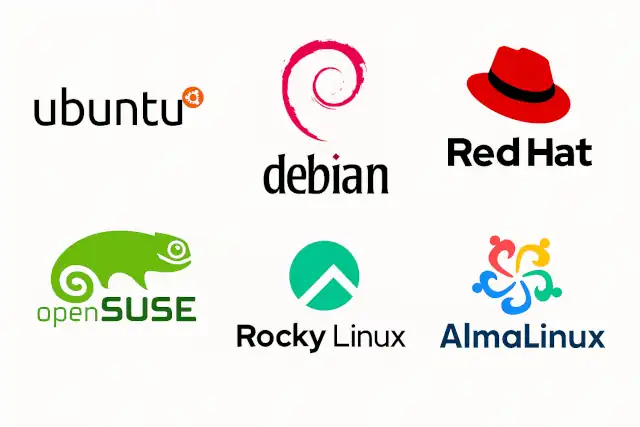
Start by grasping what Linux actually is: an open-source, Unix-like operating system with multiple distributions (distros). Begin with a beginner-friendly distribution like Ubuntu, Linux Mint, or Fedora. Don’t get overwhelmed by choice—Ubuntu remains an excellent starting point due to its extensive documentation and community support.
Install Linux either as your main operating system, in a dual-boot configuration, or through virtualization software like VirtualBox or VMware. For those hesitant to commit, Windows Subsystem for Linux (WSL2) provides a convenient way to run Linux within Windows, though a full installation offers the most authentic learning experience.
Mastering the Command Line
The terminal is your gateway to Linux power. Focus on learning fundamental commands for navigation, file manipulation, text processing, and system information. Essential commands include cd, ls, mkdir, cp, mv, rm, cat, grep, find, chmod, and chown.
Practice using the command line for everyday tasks rather than relying on graphical interfaces. This builds muscle memory and deepens your understanding of how Linux actually works. Learn about standard input/output, piping commands together, and redirection—these concepts form the foundation of efficient Linux usage.
Stage 2: System Administration Fundamentals
File System and Permissions
Understanding the Linux file system hierarchy is crucial. Learn the purpose of directories like /etc, /var, /home, /usr, and /opt. Master Linux permissions using the user-group-other model, along with special permissions like setuid, setgid, and sticky bits.
Package Management
Every distribution has its package management system. For Debian-based systems like Ubuntu, learn apt and dpkg. For Red Hat-based systems like Fedora and CentOS, master dnf and rpm. Understanding how to install, update, remove, and search for software packages is fundamental to system maintenance.
Process and Service Management
Learn how to monitor and manage processes using commands like ps, top, htop, kill, and nice. Understand how to manage services with systemd, the modern init system used by most distributions. Commands like systemctl for starting, stopping, enabling, and checking service status are essential daily tools.
Stage 3: Intermediate Skills
Shell Scripting
Automation is where Linux truly shines. Learn Bash scripting to automate repetitive tasks. Start with simple scripts that combine commands you already know, then progress to using variables, conditionals, loops, and functions. Understanding shell scripting transforms you from a Linux user into a Linux power user.
Text Processing and Data Manipulation
Master powerful text processing tools like sed, awk, cut, sort, uniq, and tr. These tools allow you to manipulate data streams and files with remarkable efficiency. Regular expressions become invaluable at this stage—invest time in understanding them thoroughly.
Networking Basics
Learn fundamental networking concepts as they apply to Linux. Understand how to configure network interfaces, use tools like ip, netstat, ss, ping, traceroute, and nmap. Familiarize yourself with SSH for secure remote access, including key-based authentication and SSH configuration.
User and Group Management
Master creating and managing users and groups, understanding /etc/passwd, /etc/shadow, and /etc/group files. Learn about sudo configuration and security best practices for multi-user systems.
Stage 4: Advanced Topics and Specialization
System Security
Dive into Linux security practices including firewall configuration with iptables or firewalld, SELinux or AppArmor for mandatory access control, and system hardening techniques. Understand log management and monitoring using tools like journalctl, rsyslog, and basic intrusion detection concepts.
Storage Management
Learn about disk partitioning, file system types (ext4, XFS, Btrfs), and logical volume management (LVM). Understand mounting and unmounting file systems, RAID configurations, and backup strategies.
Containerization and Virtualization
Modern Linux expertise requires understanding containers. Learn Docker fundamentals—creating containers, writing Dockerfiles, managing images, and orchestrating multi-container applications with Docker Compose. This naturally leads to Kubernetes, the dominant container orchestration platform.
Cloud and Infrastructure as Code
Explore how Linux operates in cloud environments like AWS, Azure, or Google Cloud. Learn infrastructure as code tools like Terraform or Ansible for automated system provisioning and configuration management.
Stage 5: Continuous Learning and Practical Application
Build Real Projects
Theory means nothing without practice. Set up a home lab with virtual machines, create a personal web server, build automated backup systems, or contribute to open-source projects. Each project reinforces your learning and builds a portfolio demonstrating your capabilities.
Join the Community
Engage with Linux communities through forums like Reddit’s r/linux and r/linuxquestions, Stack Overflow, or distribution-specific forums. Contributing to discussions, asking questions, and helping others solidifies your knowledge.
Consider Certifications
While not mandatory, certifications validate your skills to employers. The Linux Professional Institute (LPI) offers LPIC certifications, while Red Hat provides RHCSA and RHCE certifications. CompTIA Linux+ is another recognized credential. Choose certifications aligned with your career goals.
Modern Learning Resources
The quality of Linux learning resources has never been better. Online platforms like Linux Academy (now part of A Cloud Guru), Udemy, Coursera, and edX offer structured courses. Free resources include The Linux Documentation Project, DistroWatch for distribution information, and official documentation for your chosen distribution.
Books remain valuable resources. “The Linux Command Line” by William Shotts provides excellent foundational knowledge, while “UNIX and Linux System Administration Handbook” offers comprehensive coverage for aspiring administrators.
Creating Your Timeline
Your learning pace depends on available time and existing knowledge. Complete beginners might spend two to three months on foundations, another three to four months on system administration basics, and six months or more developing intermediate and advanced skills. Learning Linux is not a sprint—it’s a continuous journey.
Dedicate consistent time daily or weekly rather than sporadic intensive sessions. Even 30 minutes of focused practice daily yields better results than occasional marathon sessions.
What are Most beginner-friendly Linux distributions?
Top Recommendations
Linux Mint – This is often considered the #1 choice for beginners. It’s based on Ubuntu but comes with a more traditional desktop interface (Cinnamon) that feels familiar to Windows users. Everything works out of the box, including multimedia codecs, and it has excellent documentation. The system is stable, polished, and requires minimal tinkering.
Ubuntu – The most popular Linux distribution and an excellent starting point. Ubuntu has the largest community, which means you’ll find answers to almost any question with a quick search. It receives regular updates, has extensive software availability, and offers long-term support versions for stability. The default GNOME desktop is modern and clean, though it takes a slightly different approach than Windows.
Zorin OS – Specifically designed to ease the transition from Windows or macOS. It mimics the look and feel of these systems, making it psychologically easier for newcomers. The interface is beautiful and intuitive, with excellent hardware compatibility.
Pop!_OS – Developed by System76, this Ubuntu-based distro is clean, fast, and user-friendly. It’s particularly popular among developers and gamers, with automatic GPU driver installation and excellent performance. The interface is streamlined without being overwhelming.
Recommendation
If you’re coming from Windows: Start with Linux Mint Cinnamon Edition. The familiar layout reduces the learning curve dramatically.
If you want the most support and resources: Go with Ubuntu. The vast community means help is always available.
If you’re interested in gaming or development: Try Pop!_OS.
Getting Started Tips
- Start with a live USB to test the OS without installing
- Don’t distro-hop excessively—pick one and stick with it for at least a few months
- Most beginner issues are solved with simple online searches
- Any of these distributions can do everything you need; the differences are mostly cosmetic
You really can’t go wrong with any of these options. They’re all free, so you can try each one using a virtual machine or live USB before committing!
Conclusion
The best modern Linux learning path balances theoretical knowledge with hands-on practice, builds progressively from fundamentals to advanced topics, and aligns with your career aspirations. Start with the basics, master the command line, develop strong system administration skills, then specialize based on your interests—whether that’s security, cloud infrastructure, DevOps, or another area.
Remember that everyone’s learning journey is unique. Some concepts will click immediately while others require repeated exposure. Embrace the challenge, celebrate small victories, and maintain curiosity about how things work beneath the surface. Linux rewards those who persist with powerful capabilities and excellent career opportunities.
The Linux ecosystem continues evolving, so commit to lifelong learning. Stay current with new tools, emerging technologies, and best practices. Your investment in mastering Linux will pay dividends throughout your technology career.
The Most Windows-Friendly Linux Distributions for General Consumers: A Complete Guide
Windows 10 Era Ends: Try This Windows 11-Like Linux Distribution That Even Runs Steam Games