Lenovo Outlines Promises and Pitfalls of Google’s Upcoming Android PC Platform
Lenovo Outlines Promises and Pitfalls of Google’s Upcoming Android PC Platform
- 60% of MD5 Password Hashes Can Be Cracked in Under an Hour with a Single GPU
- Dirty Frag: Root Access on Every Major Linux Distribution — No Patch, No Warning
- Ubuntu 26.04 LTS (Resolute Raccoon): The Most Ambitious Ubuntu LTS in a Decade
- Proton Mail: Data Transferred to FBI Again!
- How Close Are Quantum Computers to Breaking RSA-2048?
- How to Prevent Ransomware Infection Risks?
- What is the best alternative to Microsoft Office?
Lenovo Outlines Promises and Pitfalls of Google’s Upcoming Android PC Platform
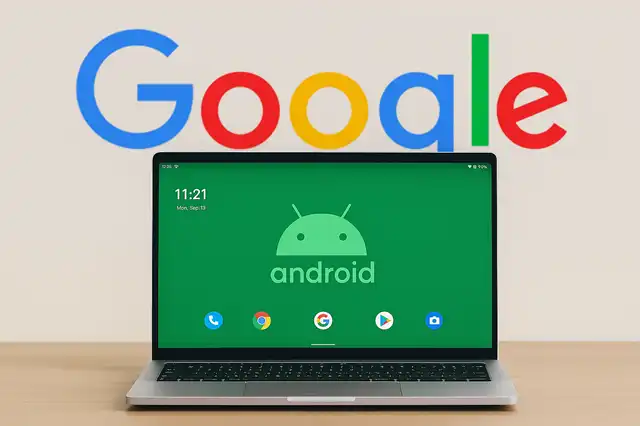
In a detailed Q&A document released recently, Lenovo has provided an early assessment of Google’s forthcoming Android PC platform, highlighting both its potential strengths and significant limitations compared to traditional computing systems.
Google Gemini AI Powers New Android PC Challenge to Microsoft Windows
Android PCs: Designed for Lightweight Computing
According to Lenovo, Android-powered PCs will excel at everyday, lightweight tasks. The company suggests these devices are well-suited for web browsing, document editing, video streaming, and even light photo and video editing. Reports indicate that these machines will likely feature Qualcomm Snapdragon processors, potentially from the Snapdragon X series, which have already made waves in the Windows-on-ARM market.
The platform’s main advantages, Lenovo notes, include exceptional customizability, seamless cloud integration, and impressive energy efficiency—features that could make Android PCs attractive for users seeking portable, battery-friendly devices for basic productivity and media consumption.
Understanding Zero-Day Vulnerabilities: How Hackers Exploit Windows Kernel Flaws
Significant Limitations Compared to Windows
However, Lenovo’s assessment isn’t entirely rosy. The company has flagged several substantial limitations that potential buyers should consider:
Desktop Functionality Gaps: Android PC platforms may lack the sophisticated file management systems and multitasking capabilities that desktop users have come to expect from traditional operating systems.
App Compatibility Issues: Since Android PCs will primarily run mobile applications from the Google Play Store, many apps may not be optimized for PC use. Users who depend on desktop-grade software could find themselves disappointed by the absence of equivalent Windows-level applications with comparable functionality.
Performance Constraints: The use of somewhat less powerful hardware compared to traditional PCs could result in performance limitations, particularly for demanding tasks.
Hardware and Peripheral Compatibility: Users with extensive accessory ecosystems—including printers, docking stations, and specialized hardware—may encounter driver compatibility issues. This could prove particularly frustrating for professionals who rely on specific peripheral devices.
How Do I Know If My Router Has Been Hacked?
Learning Curve and Transition Challenges
Lenovo also acknowledges that switching to an Android PC will require users to invest time in learning a new computing paradigm. The interface and workflow differences from Windows or macOS could present hurdles for those accustomed to traditional desktop environments.
A Niche Market, For Now
In its assessment, Lenovo positions early Android PCs as potentially suitable for niche applications—as secondary laptops, dedicated media players, or ultra-portable devices for light work. The company suggests that the platform’s ultimate success will depend heavily on how it evolves and, crucially, the level of ecosystem support it receives from developers and hardware manufacturers.
The Road Ahead
Lenovo’s candid evaluation reflects a cautious optimism about Android’s expansion into the PC space. While the platform brings unique advantages in efficiency and integration with Google’s ecosystem, it faces considerable challenges in matching the mature functionality and broad software compatibility of established desktop operating systems.
For Google, the path forward will require addressing these limitations through continued development and by encouraging developers to create PC-optimized versions of their applications. Only time will tell whether Android can carve out a meaningful position in the PC market or remain confined to mobile devices and niche computing scenarios.
As the Android PC platform prepares for launch, consumers and enterprise users alike will be watching closely to see whether Google can successfully bridge the gap between mobile convenience and desktop productivity.