Low-End GPUs Face Extinction Crisis as AI Demand Drains Memory Supply
Low-End GPUs Face Extinction Crisis as AI Demand Drains Memory Supply
- 60% of MD5 Password Hashes Can Be Cracked in Under an Hour with a Single GPU
- Dirty Frag: Root Access on Every Major Linux Distribution — No Patch, No Warning
- Ubuntu 26.04 LTS (Resolute Raccoon): The Most Ambitious Ubuntu LTS in a Decade
- Proton Mail: Data Transferred to FBI Again!
- How Close Are Quantum Computers to Breaking RSA-2048?
- How to Prevent Ransomware Infection Risks?
- What is the best alternative to Microsoft Office?
Low-End GPUs Face Extinction Crisis as AI Demand Drains Memory Supply
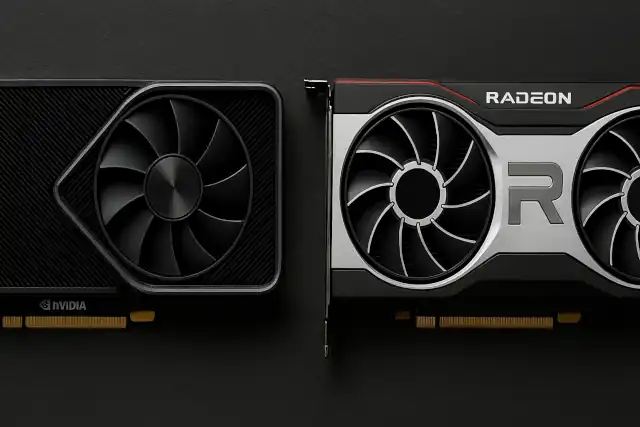
The gaming hardware market is facing a potential crisis as rumors emerge that AMD and Nvidia may discontinue production of their budget-friendly GPU models. The culprit? The insatiable appetite of artificial intelligence for semiconductor memory.
AI Data Centers Monopolizing Memory Supply
The semiconductor industry is experiencing a severe memory shortage, but this isn’t affecting all products equally. While high-end AI accelerators continue rolling off production lines, budget GPUs like the RTX 4060 and 4050 may face discontinuation – a bold move that signals just how dramatically AI is reshaping the tech landscape.
The root cause lies in two types of semiconductor memory: DRAM and HBM (High Bandwidth Memory). DRAM is the familiar memory found in PCs and consumer GPUs, while HBM represents a more specialized technology that stacks DRAM chips three-dimensionally, offering higher bandwidth and lower power consumption – perfect for AI and high-performance graphics applications.
How Do Hackers Gain Administrator Access in Under an Hour?
The Economics of Memory Allocation
As companies worldwide rush to build data centers to support AI infrastructure, demand for HBM has skyrocketed. Major memory suppliers like Samsung and SK Hynix face a critical choice: produce DRAM for consumer products or focus on the more profitable HBM for data centers.
The answer has been clear. Manufacturers are prioritizing HBM production, leaving insufficient DRAM supplies for low-margin budget GPUs.
This shift was predicted years ago, but the reality of losing affordable graphics cards like the RTX 4060 series is hitting the gaming community hard.
Why VPN Security Should Be Every Enterprise’s Top Priority
No Relief in Sight
DRAM prices have climbed for five consecutive months, with no signs of declining soon. This trend will ripple through the retail market, affecting everything from gaming PCs to consoles. The impact on entry-level gaming systems could be particularly severe, potentially pricing budget-conscious gamers out of the market entirely.
While the obvious solution seems to be ramping up DRAM production, the economics aren’t straightforward. Memory prices are determined by supply and demand dynamics, and with HBM demand showing no signs of slowing, manufacturers have little incentive to shift production capacity. Even if they did, it would take considerable time before increased supply would translate to lower prices.
Why MFA Keeps You Safe Even When Passwords Are Compromised
What This Means for Consumers
For PC builders and gamers, the situation presents a difficult choice. Those needing to upgrade now may need to accept current prices as the “new normal” rather than waiting for deals that may never materialize. The DIY PC building community, which often purchases memory separately, faces particularly tough decisions about when to pull the trigger on purchases.
The broader implications extend beyond individual consumers. Entry-level gaming PCs, which have traditionally served as an accessible gateway into PC gaming, may become significantly more expensive or simply less available. This could reshape the gaming market, potentially driving more users toward consoles or cloud gaming services.
As AI continues its explosive growth, the competition for semiconductor resources intensifies. Budget GPU users are finding themselves on the losing end of this battle – a stark reminder that in today’s tech landscape, artificial intelligence takes priority, even if it means leaving gamers behind.