GPU Prices Set to Surge as Memory Costs Jump Over $80 for 16GB Configurations
GPU Prices Set to Surge as Memory Costs Jump Over $80 for 16GB Configurations
- 60% of MD5 Password Hashes Can Be Cracked in Under an Hour with a Single GPU
- Dirty Frag: Root Access on Every Major Linux Distribution — No Patch, No Warning
- Ubuntu 26.04 LTS (Resolute Raccoon): The Most Ambitious Ubuntu LTS in a Decade
- Proton Mail: Data Transferred to FBI Again!
- How Close Are Quantum Computers to Breaking RSA-2048?
- How to Prevent Ransomware Infection Risks?
- What is the best alternative to Microsoft Office?
GPU Prices Set to Surge as Memory Costs Jump Over $80 for 16GB Configurations
Major graphics card price increases loom as memory chip shortage drives costs skyward
PC gamers and professionals face another wave of price increases as the ongoing memory chip shortage continues to ripple through the tech industry.
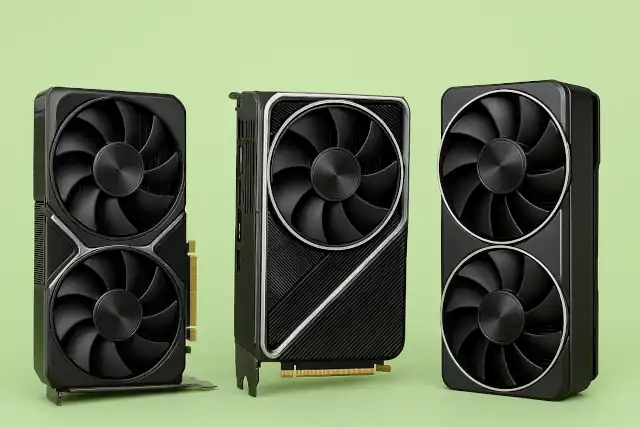
After RAM and SSD prices climbed earlier this year, graphics cards are now poised to become significantly more expensive due to soaring memory costs.
AMD Announces FSR Redstone: Major AI-Powered Graphics Update Coming December 10
Memory Prices Triple in Recent Months
GDDR6 memory chips have seen dramatic price increases, jumping from $2.50 per gigabyte to $7.50 per gigabyte. This threefold increase translates directly to higher manufacturing costs for graphics cards across the board.
For a typical 16GB graphics card, this memory price surge adds approximately $80 to the base production cost. Higher-end cards using GDDR7 memory face even steeper increases, while 32GB configurations could see cost increases exceeding $150.
NVIDIA Releases Hotfix Driver to Address Gaming Performance Issues Following Windows Update
Industry-Wide Impact
The price increases stem from broader shortages affecting NAND, DRAM, and NOR flash memory chips. This supply crunch impacts virtually every segment of the electronics market, from smartphones to data centers. The AI boom has intensified demand for high-performance memory, further straining already limited supplies.
While major GPU manufacturers like AMD and NVIDIA typically negotiate better rates than spot market prices due to their purchasing volume, they cannot escape the fundamental supply-demand dynamics driving costs higher.
CUDA Without NVIDIA: Microsoft’s Translation Layer Brings AI Models to AMD GPUs
AMD Confirms Price Increases
AMD has already notified partners that its RX 9000 series graphics cards will see price increases. While NVIDIA has not yet made an official announcement regarding its RTX 50 series, industry analysts consider price adjustments inevitable given identical market pressures.
The timing is particularly frustrating for consumers. Many graphics cards had recently fallen back to their manufacturer’s suggested retail prices (MSRP) after months of inflated pricing. This brief period of price normalization now appears to be ending before many buyers could take advantage.
China’s “Nvidia Rival” Cambricon Sees 1300% Revenue Surge Benefiting from US and China’s bans
What This Means for Consumers
PC builders and gamers planning upgrades face difficult decisions. Those who have been waiting for prices to stabilize may want to consider purchasing sooner rather than later, as the memory shortage shows no signs of immediate resolution.
The situation also highlights the interconnected nature of modern electronics supply chains. Even when GPU chips themselves maintain stable pricing, peripheral components like memory can drive significant cost increases for end products.
Industry watchers expect these elevated prices to persist for several months at minimum, with the timeline for normalization dependent on memory manufacturers’ ability to expand production capacity and overall market demand moderating.
For now, the brief respite in graphics card pricing appears to be over, with both AMD and NVIDIA cards set to climb back toward—or potentially exceed—their previous peak prices.