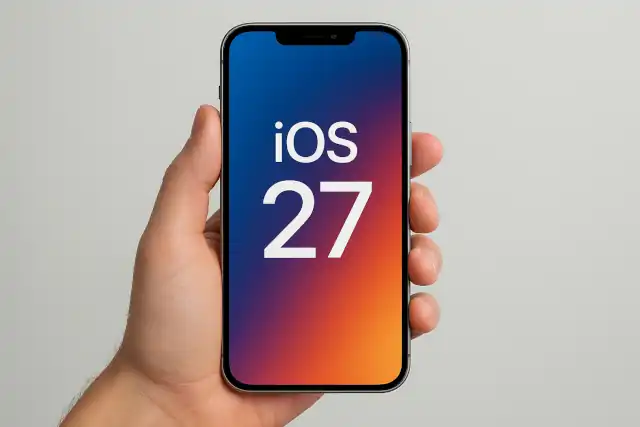
iOS 27 Prioritizes Performance as Apple Pumps the Brakes on Features
iOS 27 Prioritizes Performance as Apple Pumps the Brakes on Features
- 60% of MD5 Password Hashes Can Be Cracked in Under an Hour with a Single GPU
- Dirty Frag: Root Access on Every Major Linux Distribution — No Patch, No Warning
- Ubuntu 26.04 LTS (Resolute Raccoon): The Most Ambitious Ubuntu LTS in a Decade
- Proton Mail: Data Transferred to FBI Again!
- How Close Are Quantum Computers to Breaking RSA-2048?
- How to Prevent Ransomware Infection Risks?
- What is the best alternative to Microsoft Office?
iOS 27 Prioritizes Performance as Apple Pumps the Brakes on Features
After years of relentless innovation that prioritized flashy features over fundamental stability, Apple is reportedly taking a dramatically different approach with iOS 27.
According to recent leaks from sources familiar with the company’s development roadmap, the upcoming operating system will focus primarily on quality, performance, and reliability—a strategic pivot that echoes the philosophy behind macOS Snow Leopard’s legendary “no new features” release over a decade ago.
Why Can’t Criminals “Ghost Tap” Your iPhone or Android Wallet?
The Problem: When Innovation Outpaces Quality
Apple’s recent iOS releases have been ambitious, to say the least. From the visual overhaul of the interface to waves of new capabilities rolling out with each update, the company seemed determined to pack every release with headline-grabbing features. But this aggressive pace came at a cost that users felt acutely: older devices struggling after updates, apps crashing unexpectedly, and battery life draining faster than ever.
The complaints weren’t just from vocal minorities on Reddit. Even Apple’s internal teams recognized that the pursuit of “cool” had left core stability languishing. Now, the company is reportedly asking its engineers to return to fundamentals—hunting down bugs, eliminating redundant code, and optimizing the systems that users interact with every single day.
Lost iPhone “Found” Notification Scam: How to Avoid Falling for Fake Apple Alerts
What “Quality-Focused” Actually Means
When Apple says iOS 27 will prioritize quality, they’re not just offering vague promises. Internal development priorities reportedly include several concrete improvements:
Memory and multitasking refinements will make app switching smoother and reduce the stuttering that plagues even recent iPhones when juggling multiple applications. Engineers are reworking how iOS manages background processes to prevent the system from choking under load.
Power and thermal management are getting serious attention, particularly for sustained performance during intensive tasks. Apple wants to eliminate the frustrating scenario where your phone throttles itself into sluggishness just because you’re using navigation, streaming music, and running a few apps simultaneously.
Animation and rendering pipelines are being streamlined. Many of the visual flourishes users barely notice actually tax system resources significantly. By simplifying these effects, Apple can deliver better performance without sacrificing the premium feel iOS is known for.
Crash logging and diagnostic systems are being enhanced to help Apple identify and fix root-cause issues faster. This infrastructure work isn’t glamorous, but it’s essential for maintaining quality across hundreds of millions of devices.
Perhaps most tellingly, Apple is reportedly building foundational support for future hardware innovations—foldable screens, additional sensors, dedicated AI processors—directly into iOS 27. Rather than bolting on support later and risking system-wide instability, they’re laying groundwork now. For current users, this translates to a system that feels stable, smooth, and durable.
Has Your iPhone or Android Phone Been Hacked?
AI Isn’t Dead—Just Disciplined
Don’t mistake “quality-focused” for “feature-free.” According to the same sources, Apple will still introduce select AI capabilities in iOS 27, but with a crucial difference: these features must meet strict stability requirements before shipping.
Rumored additions include an AI health agent that could integrate with a potential Health+ subscription service, and an AI-powered web search experience that respects Apple’s privacy commitments. These aren’t the flashy, announcement-worthy features that dominate WWDC keynotes. Instead, they’re designed as lightweight, practical tools that enhance existing functionality without destabilizing the platform.
The approach suggests Apple learned from competitors’ missteps with AI. Rather than flooding iOS with half-baked AI features that drain batteries and compromise privacy, they’re taking a measured approach: local models for sensitive tasks, privacy-preserving cloud integration where necessary, and developer-friendly APIs that enable third-party innovation without opening security vulnerabilities.
Why iPhone Still Keeps Running Even Shutdown?
What This Means for Users and Developers
For everyday iPhone users, iOS 27 promises a quieter kind of satisfaction. System updates may finally stop introducing new problems alongside their promised fixes. Older devices might maintain usable performance longer, extending their practical lifespan. Of course, Apple’s marketing team will likely sprinkle in just enough novelty—those AI features, some enterprise capabilities, subtle design refinements—to avoid the perception of stagnation.
For developers, this shift is genuinely welcome news. More stable APIs mean less time fixing compatibility issues after each iOS release. Predictable performance characteristics make optimization easier. Reliable background behavior reduces user complaints about apps “not working right” due to overzealous system limitations.
The broader implication is that Apple may finally be acknowledging what users have been saying for years: they’d rather have an operating system that works flawlessly than one bursting with features they’ll never use. Whether iOS 27 delivers on this promise remains to be seen, but the reported change in philosophy is already significant.
After years of chasing the new and shiny, Apple seems ready to prove that sometimes the most innovative thing you can do is make what you already have work perfectly. For an industry obsessed with the next big thing, that’s a genuinely radical idea.