Will Pixel’s Update Priority Push Samsung to Develop Its Own OS?
Will Pixel’s Update Priority Push Samsung to Develop Its Own OS?
- 60% of MD5 Password Hashes Can Be Cracked in Under an Hour with a Single GPU
- Dirty Frag: Root Access on Every Major Linux Distribution — No Patch, No Warning
- Ubuntu 26.04 LTS (Resolute Raccoon): The Most Ambitious Ubuntu LTS in a Decade
- Proton Mail: Data Transferred to FBI Again!
- How Close Are Quantum Computers to Breaking RSA-2048?
- How to Prevent Ransomware Infection Risks?
- What is the best alternative to Microsoft Office?
Will Pixel’s Update Priority Push Samsung to Develop Its Own OS?
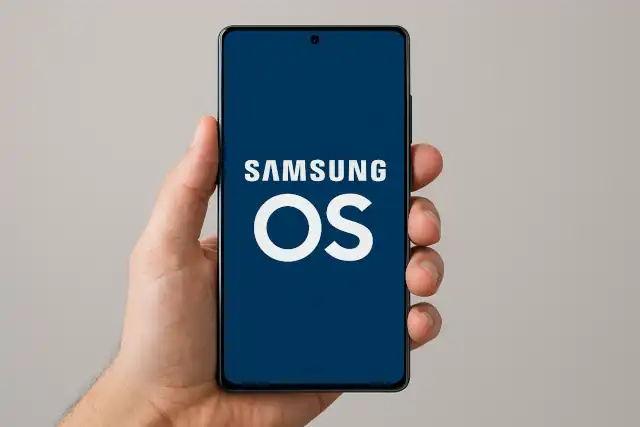
The Android ecosystem faces a fundamental paradox that threatens to reshape the mobile industry: Google’s Pixel phones receive priority treatment for updates, security patches, and new features—despite commanding minimal market share—while Samsung, the world’s dominant Android manufacturer accounting for one-third of global Android sales, must wait in line.
The Growing Update Divide
Google released Android 15 for Pixel devices on October 15, 2024, while Samsung only launched its first One UI 7 beta (based on Android 15) on December 5, 2024—nearly two months later—illustrating a growing gap that frustrates the industry’s largest player.
The disparity extends beyond major OS releases to critical security vulnerabilities, where timing can mean the difference between protection and exploitation.
Recent incidents highlight the severity of this delay. When Google patched the CVE-2024-53104 zero-day vulnerability in its February 2025 security update for Pixel devices, Samsung’s Galaxy S25—launched in January 2025—shipped with only December 2024 security patches. Such gaps create windows of vulnerability that sophisticated attackers readily exploit.
The CVE-2024-53104 flaw, affecting Android’s USB Video Class driver, allows authenticated attackers to elevate privileges and potentially compromise devices. While Pixel users received immediate protection, Samsung customers faced weeks of exposure—a pattern that repeats monthly with security updates and quarterly with feature releases.
Why Smartphone Chat Apps Are Not Safe Enough?
The Competitive Implications
Samsung finds itself in an increasingly uncomfortable position. The company competes directly with Apple, whose iOS updates arrive simultaneously across all supported devices worldwide. Meanwhile, Chinese manufacturers face Huawei’s HarmonyOS, which offers the same unified control over hardware and software that Apple enjoys.
Samsung typically delivers major Android updates 2-3 months after Google Pixel, creating a perception gap where the company appears to lag despite matching or exceeding Google’s seven-year update commitment. The One UI 7 stable release launched with the Galaxy S25 series on January 22, 2025, with broader rollout to older devices beginning in April 2025.
The delay stems partly from Samsung’s extensive customization work. One UI requires substantial engineering to integrate new Android features while maintaining Samsung’s ecosystem of exclusive capabilities. However, this explanation provides little comfort to users who see competitors deploying updates faster.
Is Your Smartphone Safe During a Solar Storm?
Security Ramifications
The security implications of delayed updates extend beyond individual vulnerabilities. Samsung’s custom Android implementations can introduce vulnerabilities not present in base Android Open Source Project code, as evidenced by the CVE-2023-21492 flaw in Samsung’s Trusted Execution Environment that enabled sophisticated spyware like LandFall to compromise devices.
The LANDFALL Android spyware specifically targeted Samsung Galaxy S22, S23, and S24 series devices through a vulnerability that was actively exploited before Samsung patched it in April 2025.
Such targeted attacks underscore how Samsung’s market dominance makes it an attractive target for adversaries seeking to exploit the update lag.
Monthly security patches follow similar patterns. While Google issues patches to Pixel devices within days of vulnerability disclosure, Samsung users often wait weeks for carrier testing and regional rollout schedules to complete.
XChat Security Analysis: Safe as “Bitcoin-style” peer-to-peer encryption?
The Case for Independence
Samsung already possesses the technical foundation for an independent operating system. The company’s Tizen OS holds the largest market share in the global smart TV operating system market with approximately 12.9% in 2024, demonstrating Samsung’s capability to develop and maintain a competitive platform.
Samsung originally aimed for Tizen OS to run across all its devices—smartphones, wearables, IoT devices, and TVs—though the company has since embraced Android for most products except smart TVs. The infrastructure exists; Samsung would need to revive and adapt it for modern smartphone requirements.
The benefits of such a move would be significant:
Unified Control: Samsung could synchronize updates across all Galaxy devices simultaneously, matching Apple’s deployment model and eliminating the frustrating stagger that currently exists.
Security Responsiveness: With direct control over the entire software stack, Samsung could patch vulnerabilities in hours rather than weeks, closing the exposure window that currently leaves millions of devices at risk.
Competitive Differentiation: An independent OS would allow Samsung to develop unique features without waiting for Google’s approval or implementation timeline, potentially creating stronger differentiation from other Android manufacturers.
Ecosystem Integration: Samsung could more deeply integrate its services—from SmartThings to Samsung Health—without competing against Google’s parallel services for prominence on users’ devices.
Telegram Tests Passkey Login: No Phone Number or Verification Code Required
The Formidable Challenges
Yet the obstacles to such a transition remain daunting. The Android app ecosystem comprises millions of applications that developers have spent years optimizing. Tizen has struggled to gain smartphone traction due to its limited app ecosystem, with Android boasting millions of applications while Tizen’s app store remains relatively small.
Developer adoption represents the critical challenge. Convincing developers to build for a new platform requires either massive market share or compelling incentives. Samsung would need to maintain Android app compatibility through emulation layers or convince developers to create native versions—neither option is straightforward.
The financial investment would be substantial. Samsung is primarily an electronics manufacturing company, not a software company like Microsoft, and using Android’s open source framework allows competitive pricing that would be inflated if Samsung had to develop and maintain its own OS.
Consumer acceptance adds another layer of complexity. Users invest heavily in their Google accounts, Play Store purchases, and Android-specific workflows. Migration friction could push customers toward competitors rather than Samsung’s new platform.
What Are Decentralized End-to-End Encrypted Messaging Apps and Why Do They Matter?
The Path Forward
Samsung faces a strategic crossroads as the update disparity persists. The company could pursue several paths:
Negotiate Better Terms: Samsung might leverage its market dominance to negotiate priority update access from Google, similar to arrangements where major partners receive advanced access to new releases.
Hybrid Approach: Samsung could develop a dual-boot or compatibility layer system that maintains Android app support while building proprietary features on an independent foundation.
Gradual Transition: Rather than an immediate switch, Samsung could introduce its OS on specific device categories—perhaps tablets or foldables—while maintaining Android on mainstream phones during a multi-year transition.
Strategic Patience: Samsung might accept the current arrangement, betting that its hardware excellence and ecosystem integration outweigh the update timing disadvantage.
Beware of Poisoned Pirated Movies: DCRat Backdoor Hidden Using Go Compiler
Industry Implications
The question extends beyond Samsung. If the world’s largest Android manufacturer moves to an independent operating system, it would fundamentally reshape the mobile industry. Google would lose significant leverage, potentially becoming more dependent on smaller manufacturers with less negotiating power.
The precedent already exists with Huawei. After the US ban, Huawei developed HarmonyOS as a fork of Android’s open source project with its own app packaging container, demonstrating that major manufacturers can successfully transition away from standard Android when circumstances demand it.
However, Huawei’s experience also reveals the formidable challenges of operating system independence. Despite achieving 16% market share in China by late 2024, HarmonyOS faces critical obstacles. The platform initially required porting approximately 5,000 apps that account for 99% of Chinese users’ smartphone time, with over 4,000 in migration as of April 2024. Essential applications like WeChat struggled with limited functionality during early testing phases, undermining user confidence.
The latest HarmonyOS Next eliminates Android app compatibility entirely, forcing developers to rebuild apps using Huawei’s proprietary ArkTS programming language—a significant investment that many developers resist.
Globally, HarmonyOS holds only 4% market share compared to Android’s 74% and iOS’s 23%, with international expansion hampered by limited device availability, geopolitical tensions, and the absence of established app ecosystems outside China. The platform’s success remains confined largely to its home market, where patriotic sentiment and government support drive adoption. For developers targeting global audiences, supporting HarmonyOS requires maintaining separate codebases, increasing development costs without guaranteeing adequate returns.
For consumers, a Samsung operating system could introduce genuine three-way competition among iOS, Android, and Galaxy OS—potentially spurring innovation as each platform fights for differentiation and market share.
Which Messaging Apps Let You Unsend Without Detection?
Conclusion
The structural inequality in Android’s ecosystem—where Google’s low-volume Pixel devices receive priority over Samsung’s market-leading Galaxy lineup—creates an unsustainable tension. While Samsung currently lacks sufficient motivation to undertake the massive investment required for an independent operating system, continued security exposure from delayed updates could tip the calculus.
The question is not whether Samsung could develop its own OS—the company clearly possesses the technical capability. Rather, the question is whether the competitive disadvantage of Android’s update structure becomes severe enough to justify the enormous risks and costs of independence.
As the update gap widens and security vulnerabilities increasingly exploit the delay window, Samsung’s patience may have limits. The Android ecosystem’s long-term health depends on Google addressing this fundamental imbalance before its most important partner decides the benefits of independence outweigh the risks of disruption.