Nokia’s Lost Vision Returns: Jolla Brings MeeGo Spirit Back to Hardware
Nokia’s Lost Vision Returns: Jolla Brings MeeGo Spirit Back to Hardware
- 60% of MD5 Password Hashes Can Be Cracked in Under an Hour with a Single GPU
- Dirty Frag: Root Access on Every Major Linux Distribution — No Patch, No Warning
- Ubuntu 26.04 LTS (Resolute Raccoon): The Most Ambitious Ubuntu LTS in a Decade
- Proton Mail: Data Transferred to FBI Again!
- How Close Are Quantum Computers to Breaking RSA-2048?
- How to Prevent Ransomware Infection Risks?
- What is the best alternative to Microsoft Office?
Nokia’s Lost Vision Returns: Jolla Brings MeeGo Spirit Back to Hardware
Nokia’s MeeGo Legacy Lives On: Jolla Announces Return to Hardware with Linux-Based Smartphone
Finnish company revives MeeGo’s open-source spirit with new Sailfish OS device, challenging Android dominance
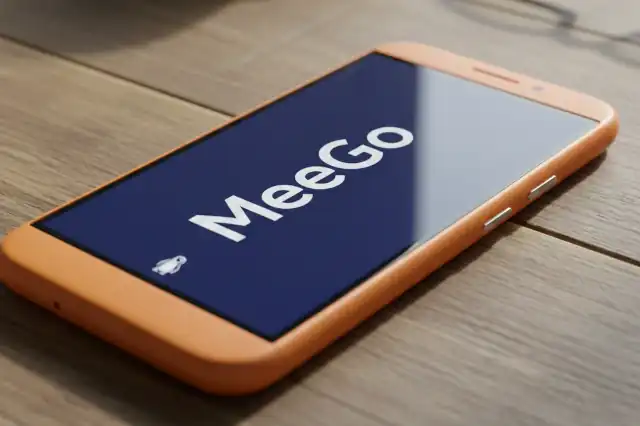
More than a decade after Nokia abandoned its ambitious MeeGo mobile operating system, the platform’s spiritual successor is making a comeback.
Jolla, a Finnish company founded by former MeeGo engineers, has announced plans to release its first smartphone in years, powered by the Sailfish OS system that carries forward MeeGo’s open-source philosophy.
Telegram Tests Passkey Login: No Phone Number or Verification Code Required
The MeeGo Story: A Brief History
In 2010, Nokia—then the dominant force in mobile phones—launched MeeGo, a Linux-based operating system designed to compete with the emerging Android platform. MeeGo represented an ambitious fusion of Nokia’s Maemo system and Intel’s Moblin platform, supporting both x86 and ARM architectures with a core emphasis on openness and cross-device compatibility.
However, MeeGo’s journey was short-lived. In 2011, Nokia made the fateful decision to abandon the platform in favor of Microsoft’s Windows Phone system. The outcome is now well-documented: Windows Phone failed to gain market traction, and Nokia ultimately exited the smartphone market altogether.
Why Smartphone Chat Apps Are Not Safe Enough?
Jolla Keeps the Flame Burning
Yet MeeGo’s legacy didn’t die with Nokia’s strategic pivot. Several engineers from the original MeeGo team founded Jolla and developed Sailfish OS, building upon MeeGo’s foundation while maintaining its commitment to open-source principles and technical architecture.
Over the past decade, Jolla has focused on licensing Sailfish OS to other manufacturers rather than producing its own hardware. While the company never officially released consumer phones, it has continuously developed and updated the operating system, keeping the platform alive in a market dominated by Android and iOS.
The Twilight of Traditional Telephony: Will Phones Disappear in the Age of Apps?
The New Jolla Phone: Specifications and Strategy
Now, Jolla is returning to hardware manufacturing with an innovative crowdfunding approach. The company has announced a pre-sale campaign requiring 2,000 units to be ordered by January 4, 2026, before production begins. If successful, devices will ship in the first half of 2026.
Key specifications include:
- MediaTek 5G SoC (specific model undisclosed)
- 12GB RAM
- 6.36-inch FullHD AMOLED display
- 5,500mAh battery
- Replaceable battery design
- Price: €500 (approximately $540 USD)
- Guaranteed software updates for at least five years
On paper, these specifications position the device as a mid-range smartphone comparable to moderately-priced Android phones. However, Jolla is differentiating itself through software and philosophy rather than raw hardware power.
Is Your Smartphone Safe During a Solar Storm?
Privacy-First with Android Compatibility
The device will run Sailfish OS 5, emphasizing privacy protection as its primary selling point. Recognizing the app ecosystem challenge that has doomed many alternative mobile operating systems, Jolla has implemented “Jolla AppSupport” technology, enabling compatibility with Android applications—a critical feature for practical daily use.
The company’s official slogan, “Independent Europe makes phones together,” signals broader ambitions beyond just selling devices. This messaging resonates with growing European concerns about technological sovereignty in an era dominated by American and Chinese platforms.
Why Can’t Criminals “Ghost Tap” Your iPhone or Android Wallet?
Why Alternative Mobile Operating Systems Matter
While Sailfish OS remains a niche platform with minimal market share, dismissing its value would be shortsighted. The smartphone ecosystem needs diversity and competition, particularly from open-source alternatives to Android.
Over-reliance on a single dominant platform—even one as capable as Android—creates significant risks. The European Union has increasingly emphasized “technological sovereignty” and “digital sovereignty” in recent years, implementing legislation and support programs to nurture homegrown technology ecosystems.
Mobile devices represent perhaps the most critical technology platform in modern life. Without control over operating systems, genuine technological independence and industrial autonomy remain elusive. As the EU continues to assert its regulatory influence over major tech companies, having viable European alternatives becomes strategically important.
How Bypass Charging Keeps Gaming Phones Cool and Fast?
Challenges Ahead
Jolla faces formidable obstacles. The mobile market is notoriously difficult to penetrate, with network effects strongly favoring established platforms. Even deep-pocketed companies like Microsoft and Amazon have failed to establish third mobile ecosystems.
Success will depend on whether Jolla can attract enough users to create sustainable momentum, whether developers will support the platform beyond Android app compatibility, and whether privacy-conscious consumers will pay a premium for an alternative system.
Google Quick Share and AirDrop Integration: Breaking Down the Walls Between Android and iPhone
Looking Forward
In an increasingly unpredictable and multipolar world, technological diversity has value beyond market share numbers. Whether Jolla’s latest venture succeeds commercially or not, the company’s persistence in maintaining an independent, open-source mobile platform represents an important hedge against monopolistic control of critical digital infrastructure.
For those who remember Nokia’s innovative spirit and MeeGo’s promise, Jolla’s new phone offers a tangible connection to that legacy—and perhaps a glimpse of what mobile computing might have looked like in an alternate timeline where open platforms thrived.
The pre-sale campaign will reveal whether there’s sufficient demand for truly independent mobile technology in 2025, or whether Android’s dominance has become insurmountable. Either way, MeeGo’s flame continues to burn, however dimly, in the Finnish winter.