Apple Declares iPhone 5 & iPhone 4 Officially Obsolete: Closing the Books on Two Iconic Devices
Apple Declares iPhone 5 & iPhone 4 Officially Obsolete: Closing the Books on Two Iconic Devices
- 60% of MD5 Password Hashes Can Be Cracked in Under an Hour with a Single GPU
- Dirty Frag: Root Access on Every Major Linux Distribution — No Patch, No Warning
- Ubuntu 26.04 LTS (Resolute Raccoon): The Most Ambitious Ubuntu LTS in a Decade
- Proton Mail: Data Transferred to FBI Again!
- How Close Are Quantum Computers to Breaking RSA-2048?
- How to Prevent Ransomware Infection Risks?
- What is the best alternative to Microsoft Office?
Tech & Consumer Electronics
Independent technology reporting for discerning readers
Apple Declares iPhone 5 & iPhone 4 Officially Obsolete: Closing the Books on Two Iconic Devices
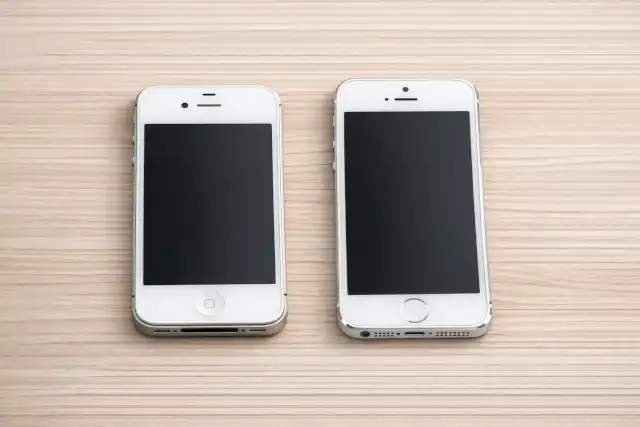
On March 16, 2026, Apple moved the iPhone 5 and the 8GB iPhone 4 from its “vintage” list to its “obsolete” list. Both devices will receive no further hardware service or repair parts from Apple or any authorized provider worldwide.
Apple has quietly but definitively closed the chapter on two of its most historically significant smartphones. On Monday, the company updated its official vintage and obsolete products list to reclassify both the iPhone 5 and the 8GB iPhone 4 as obsolete — a designation that ends all official hardware service, repair support, and parts supply from Apple and its global network of authorized service providers.
The iPhone 5 introduced the Lightning connector to the world — a port that would define Apple’s mobile lineup for over a decade.
— A milestone no repair shop can now reverseWhat “Obsolete” Actually Means
Apple’s product lifecycle follows three clear phases: current (sold within the past five years), vintage (last sold between five and seven years ago), and obsolete (last distributed for sale more than seven years ago). The critical threshold is not the date of original discontinuation, but the date Apple last sold the device — including through third-party retailers and emerging-market channels.
Vintage Status
Applies when a product has not been sold for more than 5 but fewer than 7 years. Repairs may be available at Apple Stores and authorized service providers, subject to parts availability.
Obsolete Status
Applies once 7 years have passed since last sale. Apple discontinues all hardware service. Service providers cannot order replacement parts. No further official support.
Once a product is designated obsolete, neither Apple retail stores nor any authorized service provider may order parts for it. The only remaining option for owners seeking a repair is an independent shop using non-Apple components or parts harvested from other used devices.
A Clarification on the iPhone 4 Entry
The update is slightly more nuanced for the iPhone 4 than initial reports may suggest. Apple had already classified the iPhone 4 GSM (8GB), Black as obsolete in an earlier update. Today’s change moved the remaining iPhone 4 (8GB) variant from vintage to obsolete, and consolidated the listing to simply read iPhone 4 GSM (8GB). This brings all remaining iPhone 4 variants into full obsolete status.
How the Timeline Stretched This Long
Both the iPhone 5 and the 8GB iPhone 4 were discontinued in the United States in 2013, following the launch of the iPhone 5s and 5c. However, Apple — and authorized third-party distributors — continued selling these models in select emerging markets as low-cost alternatives for years afterward. Apple’s obsolete classification is triggered by when the device was last sold anywhere, not when it was pulled from the flagship markets. This explains why the official obsolete designation took until 2026 to arrive for both models.
The Historical Legacy of These Two Phones
| Released | September 2012 |
| Discontinued (US) | September 2013 |
| Added to Vintage List | 2018 |
| Designated Obsolete | March 16, 2026 |
| Key Innovation | First iPhone to use the Lightning connector, replacing the 30-pin dock connector |
| Other Firsts | First iPhone with a 4-inch display; first with LTE connectivity |
| Released | 2011 (as a budget tier alongside iPhone 4S) |
| Discontinued (US) | September 2013 |
| Designated Obsolete | March 16, 2026 |
| Key Feature | 30-pin dock connector; Retina display introduced in iPhone 4 (2010) |
| Note | iPhone 4 GSM (8GB) Black had already been designated obsolete; this update consolidated all 8GB iPhone 4 listings |
The iPhone 5 in particular holds a special place in Apple’s history. It was the first iPhone to introduce the Lightning connector, a compact, reversible port that replaced the bulkier 30-pin connector that Apple had used since 2003. The Lightning connector would go on to power every iPhone for over a decade until the transition to USB-C with the iPhone 15 in 2023. For many users, the iPhone 5’s slim aluminum body and 4-inch screen represented a high-water mark in ergonomic design.
Timeline of Both Devices
What Owners Should Do Now
For the small number of users still relying on these devices, the practical implications are significant. Apple Stores and authorized service providers will not accept these phones for repair, nor can they source replacement batteries, screens, or other components through official Apple channels. Independent repair shops that source parts from the secondary market remain an option, though part availability will decline over time as the existing supply of salvaged components is exhausted.
Users who depend on these phones for daily communication should plan for an upgrade in the near term. As software compatibility narrows with each passing iOS generation, functionality will diminish regardless of hardware condition.
Looking Ahead: More Devices Approaching the Threshold
Today’s update is unlikely to be the last for some time. Based on Apple’s consistent lifecycle policies, several devices are approaching similar transitions in the coming months — including the iPhone X and iPhone 7 Plus, both discontinued in 2018 and approaching the seven-year mark. Owners of devices in the vintage category are advised to monitor Apple’s official support page for updates.