UK Bans Social Media for Under-16s — TikTok, YouTube, Instagram, X and More Affected
- Apple’s Native Linux Container Tool Has Arrived — But Can It Really Replace Docker?
- 60% of MD5 Password Hashes Can Be Cracked in Under an Hour with a Single GPU
- Dirty Frag: Root Access on Every Major Linux Distribution — No Patch, No Warning
- Proton Mail: Data Transferred to FBI Again!
- How Close Are Quantum Computers to Breaking RSA-2048?
- What is the best alternative to Microsoft Office?
Technology & Child Safety
UK Bans Social Media for Under-16s — TikTok, YouTube, Instagram, X and More Affected
Prime Minister Keir Starmer announces landmark legislation to block children from major social media platforms, going further than any country in the world with additional protections on live streaming and contact with strangers.
British Prime Minister Keir Starmer announced on Monday, June 15, 2026, a sweeping ban on social media use for children under the age of 16 — one of the most far-reaching restrictions of its kind anywhere in the world. The announcement, made at a press conference at 10 Downing Street, marks a decisive shift in how the UK government intends to regulate children’s online lives.
“Social media is making our children unhappy and unsafe, and as a parent, as much as a Prime Minister, I just can’t let that go on anymore,” Starmer said in a recorded video message. “It’s a big step for our country.”
Which Platforms Are Affected?
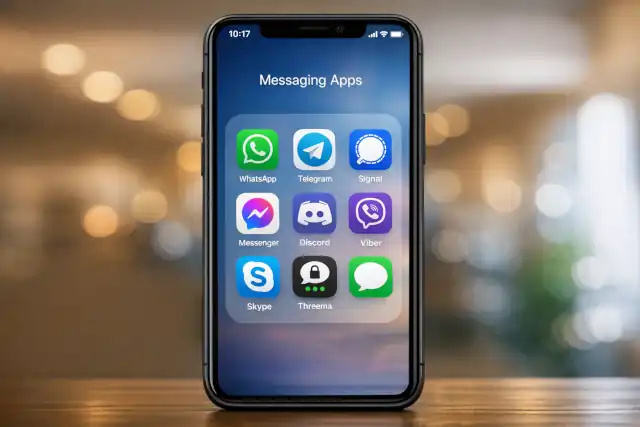
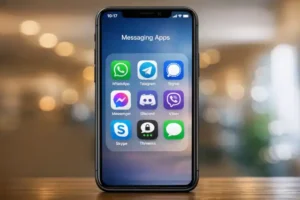
The ban will apply to major social platforms including Snapchat, TikTok, YouTube, Instagram, Facebook, and X (formerly Twitter). Notably, YouTube Kids — the child-safe version of YouTube — is exempt from the ban. Messaging services such as WhatsApp and Signal are also excluded, as the government’s focus is on open social platforms rather than private communications.
Platforms Banned for Under-16s
- TikTok
- YouTube (standard; YouTube Kids is exempt)
- X (formerly Twitter)
- Snapchat
Going Further Than Australia
The UK’s approach is modelled on Australia’s landmark legislation, which in December 2025 made it the first country to ban under-16s from social media. However, Starmer pledged to go beyond the Australian framework by adding what the government calls “world-leading additional restrictions.”
These include banning strangers from contacting children on gaming and live-streaming platforms, and placing new safeguards on these services by default. Restrictions on harmful features such as live streaming will also apply by default to 16- and 17-year-olds to avoid a sudden drop in protections at the age of 16. The government also said it will study potential overnight curfews and limits on infinite scrolling for under-18s, with further details to be published in July.
“We’re going further than any country in the world by banning social media for under-16s and putting wider protections in place to give kids their childhood back.”
— Prime Minister Keir Starmer, June 15, 2026Timeline and Enforcement
The legislation is expected to be put before Parliament before Christmas 2026, with the ban anticipated to come into force in spring 2027. The media regulator Ofcom will carry out a rapid study to determine the most effective age-assurance methods for verifying whether users are over 16.
Critically, enforcement will target technology companies rather than children themselves. Platforms that fail to take reasonable steps to exclude under-16s could face substantial fines. Starmer acknowledged that some teenagers would attempt to bypass the restrictions but dismissed this as a reason to abandon the policy: “We don’t say: ‘Oh, look, a teenager managed to get a drink somehow, so let’s not bother banning drinks from children.'”
Broad Public and Political Support
The announcement follows a government-led national consultation in which British teenagers trialled social media bans and time limits. Official figures indicate the measure is backed by nine in ten parents. Polling by YouGov similarly showed 77% of parents supporting a ban — though the government’s own consultation data places support even higher.
The move received broad cross-party backing and reflects mounting concern among parents, teachers, and many young people themselves about the impact of excessive screen time and social media on mental health. Starmer framed the decision as both a matter of child safety and a culture-change moment. “Parents want to raise their children safely and happily. We will intervene to protect children, support parents, and establish new norms for future generations,” he said.
Expert Caution on Enforcement
While the announcement was widely welcomed as a significant step, some legal and technology experts raised concerns about practical enforcement, particularly as services expand beyond traditional social media. Technology lawyer Diane Mullenex of Pinsent Masons noted that once the regime extends to live streaming and AI chatbots, the law becomes far more complex to police — especially for services based overseas or accessible via VPNs.
The UK’s experience will be closely watched internationally. Australia, the trailblazer in this area, found that around 70% of parents polled by its internet regulator in March 2026 said their children remained on banned platforms, having found workarounds. Supporters of the UK move argue that such problems reflect weak enforcement rather than a flawed model.