Apple Opens iOS to Third-Party App Stores and External Payments in Brazil
- Apple’s Native Linux Container Tool Has Arrived — But Can It Really Replace Docker?
- 60% of MD5 Password Hashes Can Be Cracked in Under an Hour with a Single GPU
- Dirty Frag: Root Access on Every Major Linux Distribution — No Patch, No Warning
- Proton Mail: Data Transferred to FBI Again!
- How Close Are Quantum Computers to Breaking RSA-2048?
- What is the best alternative to Microsoft Office?
Apple Opens iOS to Third-Party App Stores and External Payments in Brazil
In a landmark regulatory concession, Apple has fully implemented court-ordered changes in Brazil, allowing alternative app marketplaces and new payment options for the first time — marking another crack in the company’s tightly controlled ecosystem.
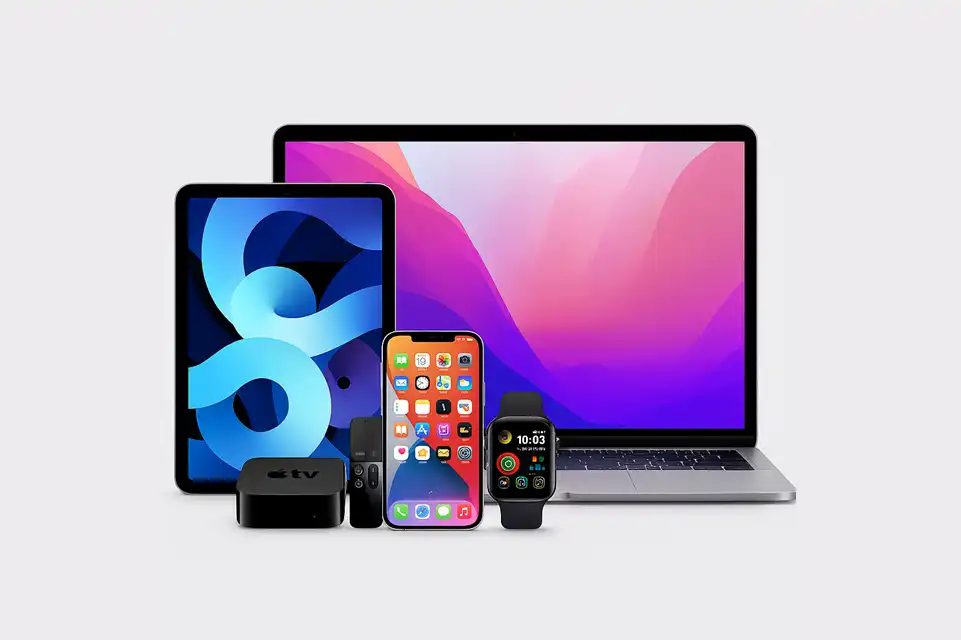
Apple’s antitrust rectification measures in the Brazilian market took full effect today, marking another significant concession to overseas regulators following similar moves in the European Union and Japan. Starting with iOS 26.5, iPhone and iPad users in Brazil can now download and use third-party app marketplaces and external payment channels — changes that would have been unthinkable just a few years ago.
At a Glance
- Alternative app marketplaces now live on iOS 26.5 in Brazil
- Three payment modes available: Apple IAP, third-party in-app processors, and external web payments
- All apps still subject to Apple’s Notarization (anti-malware) review
- Direct web sideloading remains prohibited
- Settlement lasts three years; violations carry fines up to ~$27 million (R$150 million)
Background: A 2022 Investigation Finally Resolved
The changes stem from an antitrust investigation launched by Brazil’s competition watchdog, CADE (Conselho Administrativo de Defesa Econômica), in 2022. The probe — triggered largely by a complaint from Latin American e-commerce giant MercadoLibre — accused Apple of monopolizing app distribution on iOS and forcing developers to use its proprietary In-App Purchase system for all digital transactions.
A settlement was reached at the end of 2025, giving Apple up to 105 days from the agreement’s ratification to implement the required technical changes. Non-compliance would expose the company to fines of up to R$150 million (approximately $27 million USD), and CADE reserved the right to reopen the investigation. Today’s rollout, tied to the iOS 26.5 update, represents Apple crossing that finish line.
How Alternative Marketplaces Work
Developers can now build independent app stores using Apple’s MarketplaceKit framework — the same technology used in the European Union since 2024. Under the new structure, a developer can distribute an app simultaneously through the official App Store and one or more alternative marketplaces.
Critically, direct web sideloading — downloading an app straight from a website without going through any marketplace — remains prohibited. Apps outside the App Store must still be offered through an authorized alternative marketplace. Regardless of distribution channel, every app must pass Apple’s baseline Notarization review, an automated and human-reviewed process that screens for malware and confirms apps behave as advertised.
All apps, however distributed, are also required to carry age ratings and remain subject to parental controls such as Screen Time. This means a child’s device will still enforce content restrictions and download-approval rules even for apps obtained from a third-party store — a safeguard Apple negotiated directly with CADE.
Payment Options: Three Routes for Developers
The mandatory In-App Purchase (IAP) requirement has been abolished for Brazilian users. Developers now have three transaction modes available:
- Apple’s IAP system — the existing in-app purchase flow, unchanged.
- Third-party in-app payment processors — developers may integrate alternative payment SDKs directly into their apps, presented alongside Apple’s option.
- External web payment links — apps may include a clickable button or link that sends users to an outside website to complete a purchase.
If an app uses the external web payment route, it must retain an Apple Pay entry point within the app. Apple will also notify users that purchases made through third-party channels are ineligible for Apple’s standard refund process, subscription management tools, or after-sales support — a transparency requirement baked into the CADE agreement.
If an app uses only static text (no tappable link or button) to mention an external payment option, Apple will charge no fee for that disclosure.
New Commission Structure
Apple has introduced a tiered fee structure tailored to Brazil, broadly mirroring what the company implemented in Japan last year:
| Distribution & Payment Scenario | Fee |
|---|---|
| App Store distribution + Apple IAP (standard) | Up to 30% (21% store + applicable processing); reduced rates for small developers |
| App Store distribution + external web payment link (clickable) | 15% commission to Apple |
| App Store distribution + static text mention of external payment (no link) | No additional fee |
| Third-party marketplace distribution only | 5% Core Technology Fee (no store commission) |
| Free apps on third-party marketplaces | No fee |
Apple notes that small and medium-sized developers remain eligible for reduced rates under its existing programs.
Neutrality Requirements and Ongoing Oversight
CADE’s settlement includes explicit neutrality obligations: Apple must present any informational messages or warnings about third-party payment channels in a manner that is neutral and objective, and must not create artificial friction to discourage users from exploring alternatives. The regulator can impose further penalties if Apple is found to be deliberately undermining the spirit of the agreement.
The full open policy is valid for three years from the date it became binding on developers, with provisions for extension or review if CADE determines that competitive goals are not being met. Compliance will be monitored by an independent body throughout the period.
Broader Context: A Global Regulatory Tide
Brazil’s changes echo an accelerating global trend. Apple first opened iOS to alternative marketplaces in the European Union under the Digital Markets Act in early 2024, and followed with sweeping changes in Japan in December 2025. Brazil is now the third major jurisdiction to compel Apple to loosen its grip on app distribution — and observers expect South Korea and possibly other markets to follow.
Apple has consistently expressed reservations about these mandated changes, arguing that external marketplaces and payment systems introduce privacy and security risks that its review processes are designed to prevent. The company says Brazil’s framework incorporates stronger child-safety protections than the EU’s equivalent rules — a point Apple has used to frame the changes as measured rather than wholesale.
For developers and consumers in Brazil, however, today’s changes represent a meaningful expansion of choice: more distribution paths, more payment flexibility, and potentially lower costs for apps that bypass Apple’s store entirely.