CAT5e CAT6 CAT6a CAT7 Comparison
CAT5e CAT6 CAT6a CAT7 Comparison
- 60% of MD5 Password Hashes Can Be Cracked in Under an Hour with a Single GPU
- Dirty Frag: Root Access on Every Major Linux Distribution — No Patch, No Warning
- Ubuntu 26.04 LTS (Resolute Raccoon): The Most Ambitious Ubuntu LTS in a Decade
- Proton Mail: Data Transferred to FBI Again!
- How Close Are Quantum Computers to Breaking RSA-2048?
- How to Prevent Ransomware Infection Risks?
- What is the best alternative to Microsoft Office?
CAT5e CAT6 CAT6a CAT7 Comparison
CAT5e, CAT6, CAT6a, and CAT7: A Comparison
The primary differences among CAT5e, CAT6, CAT6a, and CAT7 network cables lie in their speed, bandwidth, and overall transmission performance.
Both CAT5e and CAT6 operate on similar principles, use standard RJ-45 connectors, and are compatible with common Ethernet devices such as computers, routers, and switches. Despite these similarities, they differ in performance and construction.
CAT5e vs. CAT6
-
CAT5e cables support Gigabit Ethernet (1,000 Mbps) over distances up to 100 meters.
-
CAT6 cables provide higher performance, supporting 10 Gbps transmission over a 250 MHz bandwidth. In 10GBASE-T applications, CAT6 supports up to 55 meters, while still maintaining 100 meters for lower-speed links.
The main distinction is transmission quality. CAT6 cables include an internal separator to reduce near-end crosstalk (NEXT) and significantly improve far-end crosstalk (ELFEXT), return loss, and insertion loss. As a result, CAT6 delivers substantially better signal performance than CAT5e.
CAT6 vs. CAT6a
-
CAT6: Up to 10 Gbps, 250 MHz bandwidth
-
CAT6a: Up to 10 Gbps, 500 MHz bandwidth (double CAT6)
CAT6a cables provide enhanced shielding and improved noise control, making them more suitable for environments with high interference.
CAT7 Overview
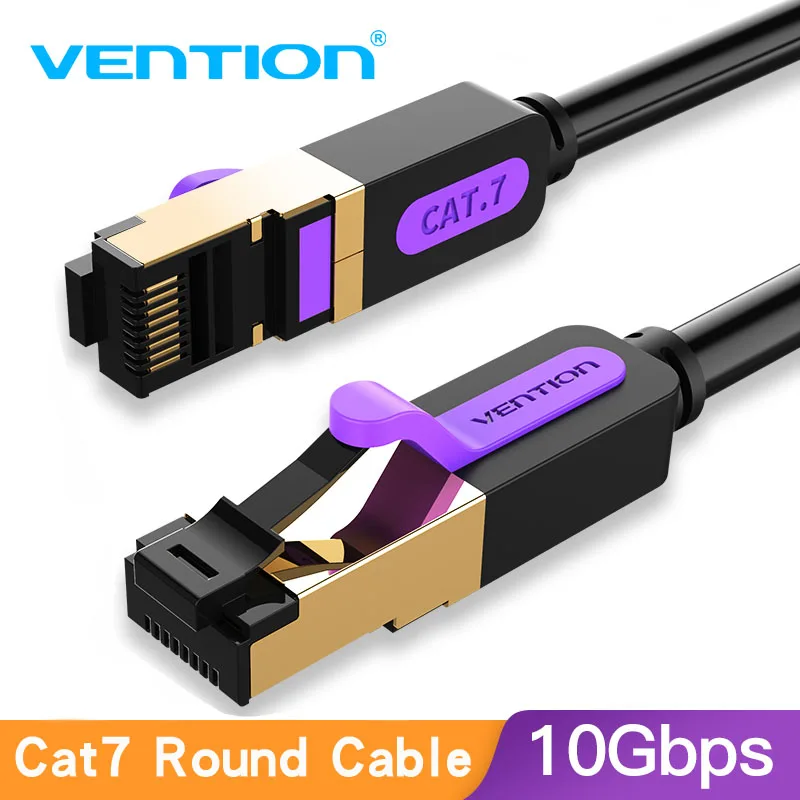
CAT7 cables deliver up to 600 MHz bandwidth and also support 10GBASE-T Ethernet. They offer superior shielding, significantly reducing crosstalk and providing cleaner, more stable signal transmission.
However, unlike CAT5e, CAT6, and CAT6a—which use standard RJ-45 connectors—CAT7 typically uses the GigaGate45 (GG45) connector, which is not as widely adopted.
Additionally, CAT6 and CAT6a are approved under the TIA/EIA standards, while CAT7 is not, making CAT7 more common in specialized or enterprise-level deployments rather than typical home networks.
Which Should You Choose?
-
Home use:
CAT6 or CAT6a cables are generally recommended. They offer strong performance, broad compatibility, and standardized connectors. -
High-performance or multi-application environments:
CAT7 is a better option due to its superior shielding and higher bandwidth, making it ideal for dense networks or environments requiring minimal noise and crosstalk.
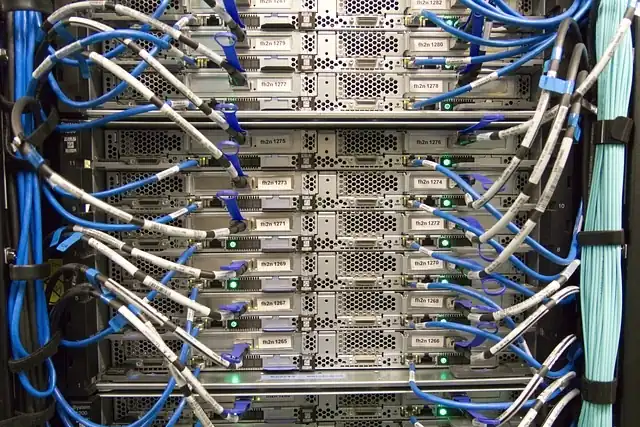
Ethernet Cable Comparison Table (CAT5e vs. CAT6 vs. CAT6a vs. CAT7)
| Category | Max Speed | Bandwidth (MHz) | Max Distance @ 1 Gbps | Max Distance @ 10 Gbps | Connector Type | Standardized by TIA/EIA? | Notes |
|---|---|---|---|---|---|---|---|
| CAT5e | 1 Gbps | 100 MHz | 100 m | Not supported | RJ-45 | Yes | Good for basic home networks |
| CAT6 | 10 Gbps | 250 MHz | 100 m | 55 m | RJ-45 | Yes | Better noise control, internal separator |
| CAT6a | 10 Gbps | 500 MHz | 100 m | 100 m | RJ-45 | Yes | Heavier shielding, stable 10G over full distance |
| CAT7 | 10 Gbps | 600 MHz | 100 m | 100 m | GG45 (not RJ-45) | No | Superior shielding, reduced crosstalk, enterprise-oriented |














1 thought on “CAT5e CAT6 CAT6a CAT7 Comparison”