Panasonic Targets High-Capacity EV Battery Development with Anode-Free Technology by End of 2027
Panasonic Targets High-Capacity EV Battery Development with Anode-Free Technology by End of 2027
- 60% of MD5 Password Hashes Can Be Cracked in Under an Hour with a Single GPU
- Dirty Frag: Root Access on Every Major Linux Distribution — No Patch, No Warning
- Ubuntu 26.04 LTS (Resolute Raccoon): The Most Ambitious Ubuntu LTS in a Decade
- Proton Mail: Data Transferred to FBI Again!
- How Close Are Quantum Computers to Breaking RSA-2048?
- How to Prevent Ransomware Infection Risks?
- What is the best alternative to Microsoft Office?
Panasonic Targets High-Capacity EV Battery Development with Anode-Free Technology by End of 2027
Panasonic is aiming to develop a new high-capacity battery within approximately two years that could significantly extend the driving range of electric vehicles (EVs).
This breakthrough would represent a major advancement for the company, which serves as a key supplier to Tesla. and could extend the Tesla Model Y’s range by 90 miles (about 145 kilometers).
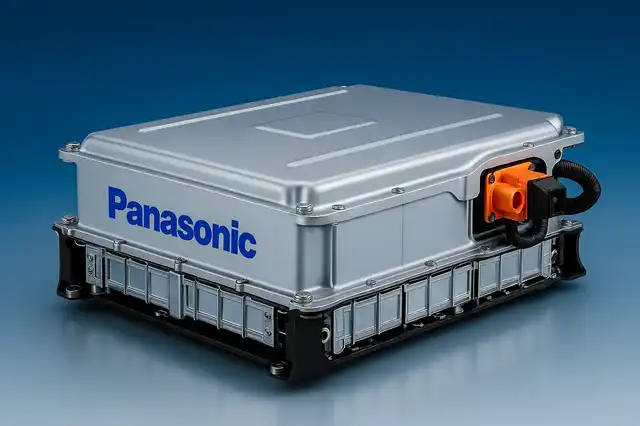
Revolutionary Anode-Free Technology
The Japanese electronics giant is advancing research into “anode-free technology” to increase energy density. This innovative approach eliminates the need for an anode during the manufacturing process. Panasonic expects to achieve “world-class” battery capacity by the end of 2027 using this technology.
If successfully implemented, this advancement could extend the driving range of Tesla’s most affordable sport utility vehicle, the Model Y, by approximately 90 miles (145 kilometers) using the current battery pack size.
Dual Benefits: Extended Range and Cost Reduction
The technology offers two potential advantages:
- Enhanced Range: Maintaining current battery pack dimensions while significantly increasing driving distance
- Cost Optimization: Reducing battery pack size while preserving current range capabilities, resulting in lighter and more affordable batteries
Company executives revealed these details to reporters ahead of a presentation by Panasonic Energy’s Chief Technology Officer Shoichiro Watanabe on the 18th.
Technical Innovation Behind the Technology
Anode-free technology is currently being developed by multiple global battery manufacturers. Panasonic’s proposed design eliminates the anode during manufacturing, with a lithium metal anode forming within the battery after the initial charging cycle.
This approach creates additional space for more active cathode materials, including nickel, cobalt, and aluminum. The result is improved capacity without increasing the overall volume of the battery.
The company also aims to reduce the proportion of relatively expensive nickel in their battery composition, potentially leading to further cost reductions.
Market Impact and Future Implications
While it remains unclear whether this technology will contribute to Tesla vehicle price reductions, the innovation represents a significant step forward in EV battery development. Panasonic has not disclosed detailed manufacturing cost information at this time.
The successful development of anode-free technology could position Panasonic at the forefront of next-generation battery solutions, potentially reshaping the competitive landscape in the rapidly evolving electric vehicle market.
As the automotive industry continues its transition toward electrification, innovations like Panasonic’s anode-free technology may prove crucial in addressing key consumer concerns about driving range and vehicle affordability.