Why Are Smartphone SD Card Slots Gradually Disappearing?
Why Are Smartphone SD Card Slots Gradually Disappearing? Which Models Still Support Them?
- 60% of MD5 Password Hashes Can Be Cracked in Under an Hour with a Single GPU
- Dirty Frag: Root Access on Every Major Linux Distribution — No Patch, No Warning
- Ubuntu 26.04 LTS (Resolute Raccoon): The Most Ambitious Ubuntu LTS in a Decade
- Proton Mail: Data Transferred to FBI Again!
- How Close Are Quantum Computers to Breaking RSA-2048?
- How to Prevent Ransomware Infection Risks?
- What is the best alternative to Microsoft Office?
Why Are Smartphone SD Card Slots Gradually Disappearing? Which Models Still Support Them?
As Android smartphones and tablets continue to evolve, many users have noticed an increasing number of devices shipping without microSD card slots.
This once-standard feature, which was ubiquitous in Android devices just a few years ago, is quietly fading away—especially among international manufacturers.
A recent example highlighting this trend is OPPO’s budget tablet “OPPO Pad SE,” released in September 2025, which notably omits the SD card slot. But why is this happening, and what value do SD cards still offer in today’s smartphone landscape?
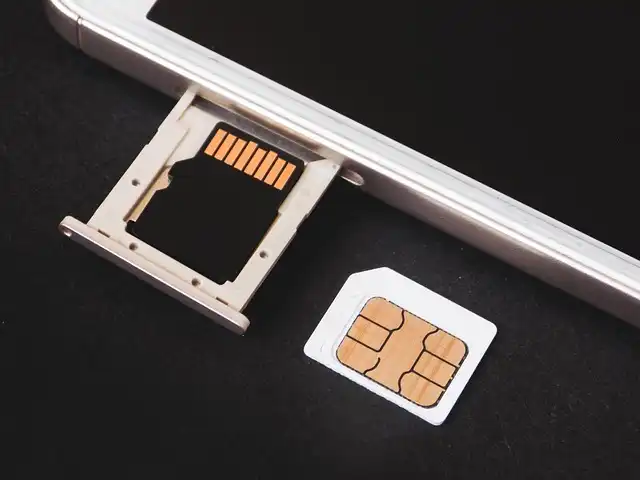
The Growing Trend of SD Card Slot Removal
International smartphone and tablet manufacturers are increasingly releasing models without SD card support. The Xiaomi “POCO F7 Pro” exemplifies this shift. This flagship-level device offers impressive specifications at an accessible price point of approximately 70,000 yen (around $470 USD).
The POCO F7 Pro packs high-end features typically found in devices costing 100,000-200,000 yen, including a Snapdragon 8 Gen 3 processor, 6000mAh battery, 90W fast charging, and a 2K/120Hz OLED display. However, it lacks both Japan’s FeliCa contactless payment system and a microSD card slot.
This trend parallels other industry shifts, such as the removal of 3.5mm headphone jacks and the transition from physical SIM cards to eSIM technology. Technological advancement, design refinement, and evolving business models are gradually reshaping what smartphones look like.
According to independent research, Android smartphones featuring both headphone jacks and SD card slots are becoming increasingly rare, bordering on endangered status.
Why Manufacturers Are Removing SD Card Slots
Several interconnected factors drive this decision:
Space Optimization and Design Freedom
Modern smartphone design trends emphasize thinness—exemplified by devices like the iPhone Air—alongside larger battery capacity. Manufacturers must fit increasingly complex components into ever-slimmer profiles: larger batteries, advanced camera systems, and sophisticated 5G antennas all compete for limited internal space.
While an SD card slot occupies minimal room, eliminating it provides valuable real estate for other components. Additionally, removing this opening improves waterproofing and dust resistance while enabling more seamless, aesthetically pleasing designs.
Performance Stability and Quality Assurance
SD cards vary dramatically in quality and data transfer speeds across manufacturers. Modern smartphones increasingly support features like 4K video recording that demand high-speed data writing capabilities.
When users insert low-quality or slow SD cards, data write failures become possible. By standardizing on internal storage alone, manufacturers can guarantee consistent performance and avoid potential issues caused by third-party storage media.
The Enduring Appeal of SD Card Slots
Despite trends toward high-performance, ultra-thin devices pushing international manufacturers away from SD cards, significant user demand persists for this feature.
Cost-Effective Storage Expansion
Internal smartphone storage prices increase dramatically with capacity. Conversely, SD cards offer relatively affordable large-capacity storage expansion. For just a few thousand yen, users can add 128GB or 256GB of storage—an attractive option for budget-conscious consumers.
Storing music, videos, and photos on SD cards easily frees up internal storage space without expensive device upgrades.
Simplified Data Management and Backup
Data transfer during device upgrades can be cumbersome, but SD cards streamline this process considerably. By storing photos, videos, and music on an SD card, users can simply swap the card into their new device to transfer much of their data.
SD cards also enable offline data access and transfer anytime, anywhere—no internet connection required.
Devices That Still Support SD Cards
Sony Xperia Series
Sony’s Xperia lineup remains a notable holdout, consistently including SD card slots across models from high-end to mid-range devices.
The “Xperia 10 VI” offers mid-range positioning with distinctive features including a 21:9 ultra-tall display, reliable camera performance, and robust audio capabilities. It supports microSDXC cards up to 1.5TB, allowing users to store high-resolution photos, videos, and hi-res audio files without capacity concerns.
Sharp AQUOS sense Series
Sharp’s AQUOS sense series, popular for its “just right” performance and reasonable pricing, continues supporting SD cards.
The “AQUOS sense9” combines lightweight construction with large battery capacity and power-efficient display technology for exceptional battery life. With adequate everyday performance and expandable storage via SD card, it’s an ideal choice for users seeking cost-effective devices they can comfortably use long-term.
Conclusion: Choosing What’s Right for You
The elimination of SD card slots represents a natural evolution driven by technological advancement and changing user habits. Cloud storage convenience and increased internal storage capacity have made SD cards unnecessary for many users.
However, SD cards’ unique advantages remain relevant: easy data migration, offline accessibility, and exceptional cost-performance ratio continue to hold value.
Ultimately, what matters most is how you use your smartphone and manage your data. Do you primarily rely on cloud services, or do you find comfort in physical backups? Consider what storage environment best suits your digital lifestyle, and weigh SD card slot availability as an important criterion when selecting your next smartphone.