TP-Link Routers Face Potential US Ban Over National Security Concerns
TP-Link Routers Face Potential US Ban Over National Security Concerns
- 60% of MD5 Password Hashes Can Be Cracked in Under an Hour with a Single GPU
- Dirty Frag: Root Access on Every Major Linux Distribution — No Patch, No Warning
- Ubuntu 26.04 LTS (Resolute Raccoon): The Most Ambitious Ubuntu LTS in a Decade
- Proton Mail: Data Transferred to FBI Again!
- How Close Are Quantum Computers to Breaking RSA-2048?
- How to Prevent Ransomware Infection Risks?
- What is the best alternative to Microsoft Office?
TP-Link Routers Face Potential US Ban Over National Security Concerns
Popular networking brand faces growing scrutiny as multiple federal agencies back prohibition
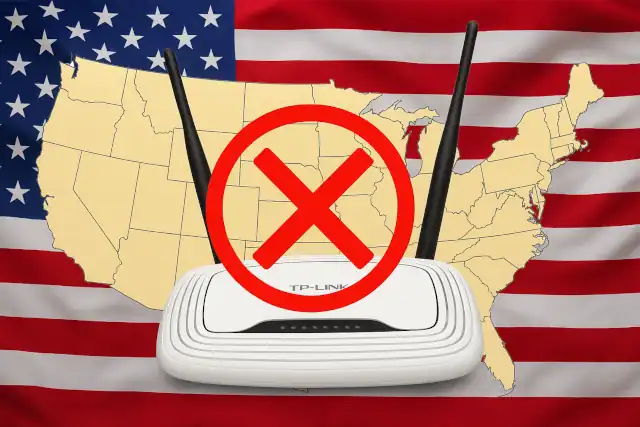
TP-Link, one of the world’s most widely used router brands, is facing an increasingly likely ban in the United States as concerns mount over potential national security threats.
According to a recent Washington Post report, more than six federal government agencies now support a proposal to prohibit the Chinese-founded networking equipment manufacturer from operating in the US market.
Critical Security Vulnerabilities Discovered in TP-Link Omada Gateway Products
Investigation Origins and Current Status
The scrutiny of TP-Link first intensified in December 2024, when investigators from the Commerce Department, Defense Department, and Justice Department launched probes into the company due to national security risks stemming from its Chinese connections.
After months of interagency review, the proposal has gained significant momentum. The Commerce Department has concluded that TP-Link Systems products pose security risks, citing two primary concerns: the company’s US-based products handle sensitive American data, and authorities believe the company remains under Chinese government jurisdiction and influence.
Company Background and Structure
TP-Link was founded in 1996 in Shenzhen, China, by brothers Jeffrey (Jianjun) Chao and Jiaxing Zhao. In a significant corporate restructuring that occurred in October 2024—two months after House committee members called for an investigation—the company split into two entities: TP-Link Technologies and TP-Link Systems.
TP-Link Systems, now headquartered in Irvine, California, employs approximately 500 people in the United States and 11,000 in China. The company is owned by Jeffrey Chao and his wife.
How to Prevent Ransomware Infection Risks
Denials and Defense
The company has vigorously denied allegations of Chinese government ties. “As an independent US company, no foreign country or government, including China, has access to or control over our product design or production,” a TP-Link spokesperson told CNET.
Despite these assurances, lawmakers have expressed alarm. In October 2024, congressional representatives noted that “TP-Link’s unusual level of vulnerabilities, combined with its legal obligations [to China], is concerning in itself. When coupled with the [Chinese] government’s common use of routers [for home offices] like TP-Link to execute large-scale cyberattacks in the US, the situation becomes significantly more worrisome.”
Market Dominance and Antitrust Issues
TP-Link’s market presence in the United States has grown dramatically since the pandemic. While exact figures are disputed, the company’s router sales share reportedly surged from 20% in 2019 to approximately 65% by 2025, according to some estimates. TP-Link contests these numbers, and alternative analysis from IT platform Lansweeper suggests that 12% of home routers currently used in America are TP-Link devices. More than 300 internet service providers supply TP-Link routers to their customers.
Separately, the Justice Department’s antitrust division is investigating whether TP-Link engaged in predatory pricing practices—artificially lowering prices to unfair levels to eliminate competitors.
UEFI Security: Can Firmware Be Infected by Malware?
Implementation Timeline
The ban proposal has completed interagency review and now rests with the Commerce Department for final action. However, sources familiar with the matter suggest that the Trump administration’s ongoing negotiations with China may delay immediate implementation of any prohibition.
A TP-Link spokesperson stated: “Any concerns the government has about TP-Link can be fully addressed through a combination of common-sense measures: reshoring development functions, investing in cybersecurity, and ensuring transparency. TP-Link will continue to work with the US Commerce Department to ensure we understand and can address any government concerns.”
High-Performance Gaming Mice Could Be Turned Into Surveillance Tools
Should Consumers Be Worried?
The security implications for everyday users remain a topic of debate among cybersecurity professionals. When consulted about the risks, experts offered varying perspectives—some expressed concern about potential vulnerabilities, while others suggested that security flaws in routers are generally widespread across the industry regardless of manufacturer origin.
The broader consensus among security specialists is that router vulnerabilities are typically systemic issues affecting devices from multiple brands, including those manufactured in the United States and other countries. No specific defects have been publicly identified that would definitively demonstrate direct collaboration between TP-Link and the Chinese government.
The situation underscores the complex intersection of technology supply chains, national security imperatives, and consumer access in an increasingly interconnected world. As federal authorities continue to evaluate security concerns against potential market disruption, millions of American households and businesses using TP-Link equipment await clarity on what this potential ban could mean for their networking infrastructure.