Toyota Claims Top Five Spots in 400000km+ Vehicle Longevity Study
Toyota Claims Top Five Spots in 400000km+ Vehicle Longevity Study
- Linux Kernel Removes strncpy After Six Years and 362 Patches
- Linux Kernel Drops 40-Year-Old AppleTalk Protocol — AI-Generated Patch Flood Was the Last Straw
- Apple’s Native Linux Container Tool Has Arrived — But Can It Really Replace Docker?
- 60% of MD5 Password Hashes Can Be Cracked in Under an Hour with a Single GPU
- Dirty Frag: Root Access on Every Major Linux Distribution — No Patch, No Warning
Toyota Claims Top Five Spots in 400000km+ Vehicle Longevity Study
Toyota Dominates Longevity Rankings: Six Models Prove Capable of Surpassing 400,000 Kilometers
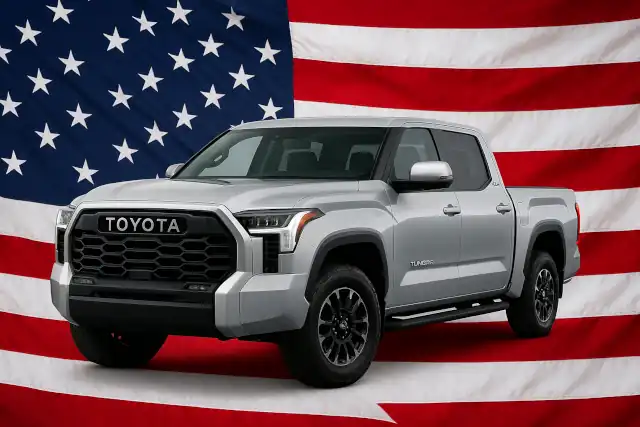
New US study reveals Toyota’s exceptional durability, with Tundra leading the pack at 36.6% probability of reaching the 400,000km milestone
In an era where vehicle maintenance costs continue to rise, a comprehensive study from the United States has identified which vehicles truly deliver long-term value. The results overwhelmingly favor one manufacturer: Toyota.
According to research released by iSeeCars, a US-based used car information analysis company, Toyota has secured six of the top ten positions in the “longest-lasting vehicles” ranking, with models capable of exceeding 400,000 kilometers (approximately 250,000 miles).
The company’s Lexus luxury brand claimed an additional spot, bringing Toyota’s total dominance to seven of the top ten positions.
Does Japan No Longer Trust GPS Anymore?
The Tundra Takes the Crown
Leading the pack is the Toyota Tundra, a full-size pickup truck sold in North America, which achieved a remarkable 36.6% probability of reaching the 400,000-kilometer threshold. This figure stands in stark contrast to the industry average of just 8.6% for typical vehicles.
The Tundra’s performance demonstrates what proper engineering and manufacturing quality can achieve. While conventional wisdom suggests considering vehicle replacement around 100,000 kilometers, this study proves that with appropriate maintenance, certain models can deliver four times that lifespan.
Toyota’s EV Success in China Proves Incompetence Isn’t an Excuse
Honda Joins Toyota in Reliability Excellence
While Toyota dominated the rankings, Honda also demonstrated exceptional durability, earning recognition alongside its Japanese competitor. The strong showing by both manufacturers reinforces Japan’s reputation for producing vehicles that prioritize long-term reliability over short-term market trends.
Methodology Behind the Rankings
iSeeCars has been conducting this longevity research since 2013, analyzing data from over 402 million vehicles to identify which models have the highest probability of reaching the 400,000-kilometer milestone. This extensive dataset provides robust evidence for their conclusions, making it one of the most comprehensive studies of vehicle longevity available.
The research methodology focuses on real-world usage data rather than theoretical projections, offering consumers practical insights into which vehicles truly deliver on promises of durability.
Will Japanese EVs Flood the US Market soon?
Implications for Consumers
In today’s market, where vehicle maintenance and ownership costs continue to escalate, choosing a long-lasting vehicle has become increasingly important. The study’s findings suggest several key considerations for potential buyers:
Cost Simulation is Essential: Before purchasing, consumers should calculate total ownership costs over the expected lifespan of the vehicle, including maintenance, repairs, fuel, and insurance. A vehicle with higher initial cost but exceptional longevity may prove more economical than a cheaper alternative requiring earlier replacement.
Alternative Ownership Models: The research also highlights the potential value of considering car leasing or car-sharing services as alternatives to traditional ownership, particularly for those who may not need a vehicle capable of extreme longevity.
Resale Value: Vehicles with proven longevity typically command higher prices in the used car market, providing better return on investment when the time comes to sell or trade in.
Will South Korea’s LFP Battery Industry Benefit from US-China Trade Tensions?
The Philosophy of “Driving Until Done”
The study reinforces a fundamental principle: vehicles are tools developed and manufactured to serve people’s daily lives, and they fulfill their purpose best when driven to the end of their useful life. The concept of “tsubusu” (driving until exhausted) reflects a practical, sustainable approach to vehicle ownership that minimizes waste and maximizes value.
Toyota’s sweep of the top positions validates this philosophy, demonstrating that the company’s engineering priorities align with producing vehicles that truly serve as long-term transportation solutions rather than disposable commodities.
Toyota Accelerates Solid-State Battery Development: All-Solid-State EVs Targeted for 2027-2028
Looking Forward
As the automotive industry continues its transition toward electric vehicles and new technologies, the question of longevity becomes even more critical. Will EVs match the durability of proven internal combustion models like the Tundra? Only time and similar long-term studies will tell.
For now, consumers seeking maximum value and reliability have clear guidance: Toyota and Honda vehicles, particularly models like the Tundra, offer proven ability to deliver transportation well beyond industry norms, making them worthy candidates for those seeking to truly “drive until done.”