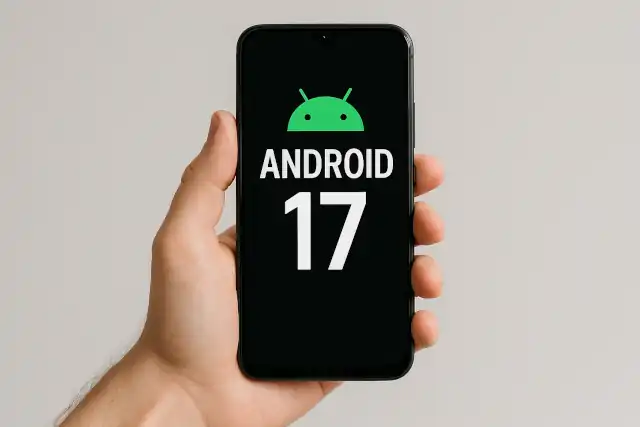
Android 17 Bolsters Security With Anti-Fraud Call Termination, Smarter Theft Protection, and More
Android 17 Bolsters Security With Anti-Fraud Call Termination, Smarter Theft Protection, and More
- Linux Kernel Removes strncpy After Six Years and 362 Patches
- Linux Kernel Drops 40-Year-Old AppleTalk Protocol — AI-Generated Patch Flood Was the Last Straw
- Apple’s Native Linux Container Tool Has Arrived — But Can It Really Replace Docker?
- 60% of MD5 Password Hashes Can Be Cracked in Under an Hour with a Single GPU
- Dirty Frag: Root Access on Every Major Linux Distribution — No Patch, No Warning
Android 17 Bolsters Security With Anti-Fraud Call Termination, Smarter Theft Protection, and More
Google unveiled a sweeping set of security upgrades at The Android Show: I/O Edition on May 12, 2026 — hardening Android against bank-impersonation scams, rogue apps, and device theft ahead of Google I/O next week.
Google used its pre-I/O showcase — The Android Show: I/O Edition — to announce one of the most comprehensive security overhauls Android has seen in years. Spread across Android 16 and the forthcoming Android 17, the new protections target three growing threats: voice-phishing calls impersonating banks, malicious apps silently hijacking devices, and thieves who steal phones and quickly try to break in.
Verified Financial Calls: Fraudulent Bank Calls Terminated Automatically
Google is partnering directly with banks and financial institutions to verify whether an incoming call that appears to come from them is genuine. If you have an eligible institution’s app installed and are signed in, Android will query the app in real time when such a call arrives. If the institution confirms it is not placing that call, Android automatically hangs up and notifies you that the call was likely a scam.
“If the app confirms it is not making a call, Android will automatically terminate it and alert the user that it was likely a fraudulent impersonation attempt.”
No confirmed timeline was given for expansion into Japan or other specific markets; Google described partner additions as ongoing through the year.
Live Threat Detection: AI Watches for Suspicious App Behavior
A new feature called Dynamic Signal Monitoring uses on-device AI to watch for apps behaving suspiciously in the background. It can flag apps that change or hide their icon before launching in the background, forward SMS messages to other numbers, or abuse accessibility permissions to perform actions the user did not intend.
This continuous behavioral monitoring builds on Google’s existing live threat detection infrastructure. The expanded capability will be available in Android 17, expected to roll out in the second half of 2026.
Advanced Protection Gets Stricter in Android 17
Android 16 introduced the one-tap Advanced Protection mode, which shields devices from online attacks, malicious apps, and risky connections. Android 17 deepens these protections further:
- Blocks accessibility service access for any app not explicitly labeled as an accessibility tool
- Disables cross-device unlocking
- Disables Chrome WebGPU support
- Integrates fraud detection directly into chat notifications
Smarter “Mark as Lost” and Anti-Theft Hardening
Google’s Find Hub app gains a more powerful “Mark as Lost” mode. Once a device is marked lost, it can be locked using biometric authentication in addition to a passcode or PIN — meaning even a thief who knows the PIN cannot reverse the lost status. Triggering the mode also automatically hides Quick Settings and disables new Wi-Fi and Bluetooth connections, cutting off easy exfiltration paths.
On Android 17 devices specifically, the number of permitted incorrect PIN or password attempts is reduced, and the wait time between failed attempts is significantly extended, making brute-force access far harder.
Additionally, devices running Android 12 or higher will display the device’s IMEI on the lock screen by default (users can turn this off). Law enforcement, manufacturers, and carriers can use the IMEI to verify ownership and facilitate recovery.
More Granular Location and Contact Controls
Android 17 introduces finer control over location sharing. Users will be able to grant an app access to their precise location only while that app is actively in use, limiting passive background tracking. When an app is accessing location data, an indicator will appear at the top of the screen — similar to the existing camera and microphone access indicators — and tapping it opens location management controls directly.
Contact access is also tightened. Previously, connecting with a friend inside many apps required granting access to the entire device address book. Android 17 will let developers request access to specific contacts only, a long-requested privacy improvement for users who keep detailed personal information in their contacts.
What’s Coming Next
Google I/O 2026 begins next week, where more technical details on Android 17’s full feature set are expected. The Verified Financial Calls feature starts rolling out to Revolut, Itaú, and Nubank users over the coming weeks, while Dynamic Signal Monitoring and the full Android 17 security suite are slated for the second half of 2026.