U.S. Bans All New Foreign-Made Wi-Fi Routers: Effective Immediately
U.S. Bans All New Foreign-Made Wi-Fi Routers: Effective Immediately
- Linux Kernel Drops 40-Year-Old AppleTalk Protocol — AI-Generated Patch Flood Was the Last Straw
- Apple’s Native Linux Container Tool Has Arrived — But Can It Really Replace Docker?
- 60% of MD5 Password Hashes Can Be Cracked in Under an Hour with a Single GPU
- Dirty Frag: Root Access on Every Major Linux Distribution — No Patch, No Warning
- How Close Are Quantum Computers to Breaking RSA-2048?
- What is the best alternative to Microsoft Office?
U.S. Bans All New Foreign-Made Wi-Fi Routers: Effective Immediately
The FCC has added every consumer-grade router produced outside the United States to its national security Covered List — a sweeping move that could reshape the $3 billion home-networking market and leave consumers with sharply fewer choices by 2027.
The Federal Communications Commission moved swiftly on Monday to ban the import of all new consumer-grade routers manufactured outside the United States, citing an “unacceptable risk to national security” in one of the most sweeping technology trade actions in recent memory. The rule takes effect immediately, though routers already authorized and on store shelves can continue to be sold and used.
The FCC’s action updates its so-called Covered List — a register of communications equipment deemed too risky for the U.S. market — to include any consumer router, both Wi-Fi and wired, produced in a foreign country. No new model may receive FCC authorization without that designation, and without FCC authorization, manufacturers cannot legally import or sell wireless networking gear in the United States.
Foreign-produced routers present unacceptable risks to Americans. Routers produced abroad were directly implicated in the Volt, Flax, and Salt Typhoon cyberattacks.
— FCC Official Statement, March 23, 2026The decision follows a determination by a White House-convened interagency body that foreign-produced routers introduce “a supply chain vulnerability that could disrupt the U.S. economy, critical infrastructure, and national defense,” and pose “a severe cybersecurity risk that could be leveraged to immediately and severely disrupt U.S. critical infrastructure.” FCC Chair Brendan Carr welcomed the determination, stating the agency was “pleased” to extend its Covered List to include routers it said had been “found to pose an unacceptable national security risk.”
■ Key Dates at a Glance
- Mar 23, 2026 FCC adds all foreign-made consumer routers to its Covered List. Ban on new model authorizations takes effect immediately.
- Now → 2027 Previously authorized routers may continue to be imported and sold. Existing devices in homes are unaffected.
- Mar 1, 2027 Deadline through which software and security updates for Covered-List routers are guaranteed. Updates may cease after this date, potentially stranding existing hardware.
- Ongoing Companies may apply for Conditional Approval from the Department of Homeland Security or the Department of Defense — but must commit to a U.S. manufacturing plan.
Who Is Affected?
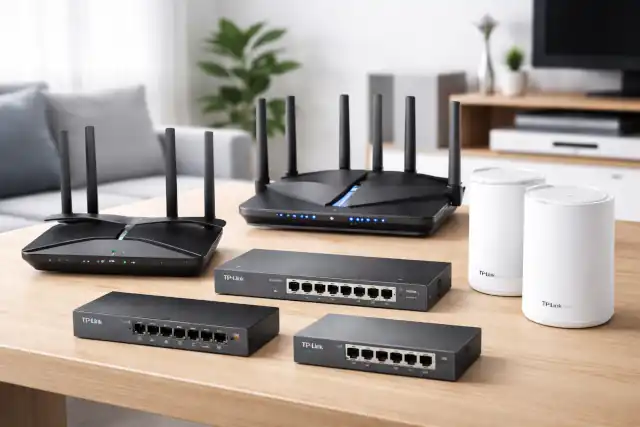
The practical fallout is enormous. Virtually every major consumer router brand — Netgear, Linksys, ASUS, D-Link, and TP-Link — manufactures its hardware overseas, primarily in Taiwan, Thailand, Vietnam, and China. Even American household names are caught in the net: Amazon’s Eero and Google’s Nest WiFi are both built outside the United States. According to Bloomberg, no major consumer router is currently manufactured domestically.
TP-Link, which commands an estimated 65% of the U.S. home-router market and was spun out of a Chinese parent company, faces the steepest climb. The company is already the subject of a lawsuit from the Texas Attorney General over data-security allegations, making its prospects for Conditional Approval uncertain at best.
For American brands like Netgear and Belkin, the path forward requires either building or contracting domestic manufacturing — a costly undertaking that industry analysts say could take years to scale.
A Conditional Exit Ramp
The FCC does offer one lifeline: a Conditional Approval pathway. Companies may apply to the Department of Homeland Security or the Department of Defense for a renewable exemption lasting up to 18 months. But the requirements are demanding. Applicants must disclose their company’s management structure, provide detailed supply-chain information, and — most critically — submit a concrete plan for onshoring at least some manufacturing to the United States.
A parallel program for foreign-made drones, launched in December 2025, offers a sobering preview of how the process might unfold. Only four non-Chinese drone systems have received exemptions so far; major Chinese manufacturers like DJI and Autel remain fully blocked. Analysts expect a similar pattern for routers.
If it was really about security, they could force all routers to renew FCC certification annually. Forbidding everything made outside the USA is only to force manufacturing to move here.
— Industry analyst commentary, via tech mediaSecurity Justification — or Industrial Policy?
Critics are pushing back on the framing. While the FCC points to real-world intrusions — the Volt Typhoon and Salt Typhoon campaigns by state-backed Chinese hackers exploited vulnerabilities in foreign-made networking gear — some cybersecurity experts argue the ban is designed as much to protect domestic industry as to protect American networks.
TP-Link’s own security record complicates the narrative. Experts have noted the company’s routers carry no more vulnerabilities than its competitors, and that it patches them proactively. Critics have pointed to lobbying pressure from Netgear — which saw its market share erode as TP-Link grew during the pandemic — as a driving force behind the regulatory focus on Chinese-made routers.
The ban stems in part from language in the White House’s 2025 national security strategy stating that “the United States must never be dependent on any outside power for core components — from raw materials to parts to finished products — necessary to the nation’s defense or economy.” Supporters argue routers connecting every American home to the internet clearly qualify as such a component.
What Consumers Should Know
For most households, the immediate impact is limited. Routers already in your home are unaffected — you can keep using them. Retailers can continue selling existing inventory of previously authorized models. However, as that inventory thins over the coming months, shoppers seeking a new router may find themselves facing a shrinking selection and higher prices with no domestic alternatives ready to fill the gap.
The more pressing concern arrives in early 2027. Software and security updates for routers on the Covered List are guaranteed only through March 1, 2027. After that date, those devices may no longer receive patches — creating a growing population of aging, unpatched routers in American homes, which is precisely the vulnerability the FCC says it is trying to eliminate.
Analysts warn that what follows the router ban may be even broader. The FCC’s regulatory momentum suggests other connected home devices — smart cameras, doorbells, and mesh networking nodes — could be the next targets of similar national security determinations.